




What is Foodscaping, Exactly?
Forget the old idea of separating your garden into two distinct zones: pretty flowers in the front, boring vegetables in the back. Foodscaping, or edible landscaping, is the art of integrating edible plants into your ornamental garden design. The goal
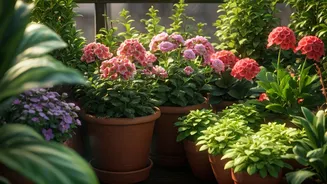
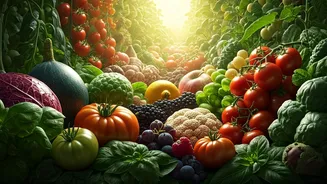
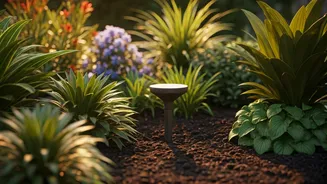
is to create a space that is both productive and beautiful. Think of it as a feast for the eyes and the stomach. Instead of a non-fruiting decorative shrub, why not plant a lemon tree? Instead of a plain green groundcover, why not a sprawling patch of mint or strawberries? Foodscaping strategically places vegetables, fruits, and herbs amongst flowers and shrubs to create a cohesive, beautiful, and useful landscape. It’s about making every plant in your garden pull double duty.
More Than Just a Pretty Patch
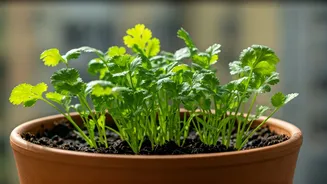
The appeal of foodscaping goes far beyond aesthetics. At its heart, it’s a deeply sustainable practice. By growing your own food, even a small amount, you reduce your reliance on produce that has travelled hundreds of kilometres, shrinking your carbon footprint. You also have complete control over what goes into your food, making it easy to grow organic, pesticide-free produce that is fresher and more nutritious than anything you can buy at the store. There's an undeniable joy in snipping fresh coriander for your dal or plucking a ripe tomato for a salad, knowing you grew it yourself. This connection to our food source has profound benefits for mental well-being, providing a sense of accomplishment and a reason to spend more time outdoors. Furthermore, a diverse edible garden attracts pollinators like bees and butterflies, boosting local biodiversity.
Your Balcony, Your Bounty
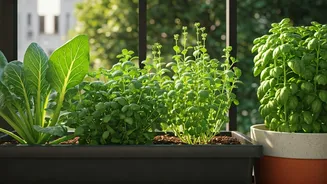
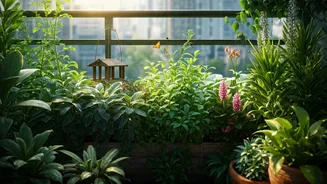
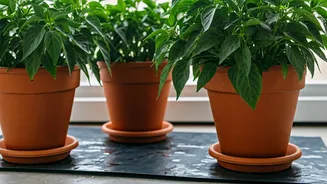
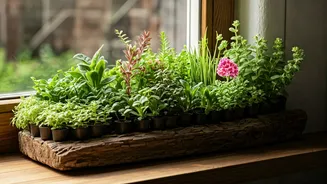
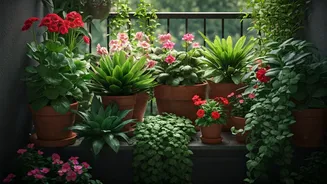
You don’t need a sprawling backyard to embrace foodscaping. This trend is perfectly suited for the balconies and terraces of urban India. Container gardening is your best friend here. A pot of vibrant red chillies can be just as striking as a floral arrangement. A vertical wall planter can become a living spice rack with different types of basil, mint, and ajwain. Think creatively about your space. A railing planter can hold trailing cherry tomato plants. A large pot can house a curry leaf plant (kadi patta) or even a dwarf lemon tree. Vegetables like brinjal, ladyfinger (bhindi), and various gourds can thrive in grow bags with proper support. The key is to choose plants that suit your sunlight conditions and to use good quality potting mix and containers with adequate drainage. It’s about maximising every square inch of sun-drenched space you have.
How to Get Started
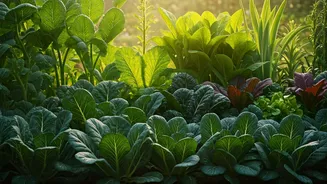
Starting your foodscaping journey is easier than you think. Don't try to overhaul your entire space overnight. Start small with one or two additions. A great first step is to incorporate herbs. They are generally easy to grow, don't require much space, and offer incredible culinary returns. Plant a pot of tulsi, mint, or lemongrass. Next, identify a sunny spot and try a tomato or chilli plant; they are visually appealing and incredibly rewarding. When choosing plants, consider their appearance. The deep purple leaves of some brinjal varieties or the bright yellow flowers of a pumpkin vine can add a pop of colour. Swiss chard, with its rainbow-coloured stems, is another plant that looks as good as it tastes. Mix them in with your existing marigolds or hibiscus. The only rule is that there are no rules—if it looks good to you and you can eat it, it belongs in your foodscape.