


The Grain of the Land
Millets like jowar (sorghum), bajra (pearl millet), and ragi (finger millet) are not just ingredients; they are a reflection of India's diverse landscapes. These resilient grains thrive in arid and semi-arid regions where other crops might fail, making
them a cornerstone of food security and tradition for centuries. While wheat and rice dominate the popular perception of Indian food, it is in the regional kitchens of states like Karnataka, Maharashtra, Rajasthan, and Tamil Nadu that the true versatility of millets shines. The preparations are shaped by the climate—hearty, warming dishes in the winter and cooling porridges in the scorching summer.
Porridge: A Comforting Bowl of Culture
Porridge is perhaps the most ancient way of consuming millets, and its regional variations are telling. In the southern state of Tamil Nadu, summer is incomplete without Kambu Koozh, a fermented pearl millet porridge. The millet is cooked, allowed to ferment overnight to develop a tangy, probiotic-rich character, and then thinned with buttermilk and served with raw shallots and green chillies. It’s a dish designed to cool the body and provide sustained energy through the heat. Travel to Karnataka, and you'll find Ragi Mudde, a dense, dough-like ball of cooked finger millet flour. This is not a soupy porridge but a substantial swallow-food, traditionally eaten with a spicy sambar or 'saaru'. Its history is tied to the rugged geology of the Deccan Plateau, where ragi was the only crop that could reliably grow, making Ragi Mudde a symbol of resilience and sustenance for the region's farming communities.
Bajra's Western Stronghold
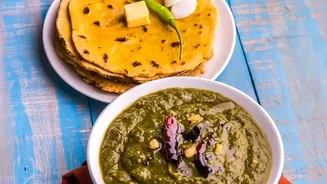
In the arid landscapes of Gujarat and Rajasthan, the star millet is bajra. The most iconic preparation is the Bajri no Rotlo (in Gujarat) or Bajra Roti (in Rajasthan). This is a thick, rustic flatbread, traditionally patted into shape by hand and cooked on a clay griddle. Since bajra is gluten-free, the dough is made with warm water to help it bind. The result is a flatbread with an earthy, nutty flavour and a slightly coarse texture. It’s the perfect vehicle for a dollop of fresh white butter, a piece of jaggery, or a fiery garlic chutney known as lasan ni chutney. It's a winter staple, as pearl millet is considered a 'warming' food, providing much-needed energy during colder months.
Jowar and the Deccan Plateau
Move to the Deccan Plateau, particularly Maharashtra and North Karnataka, and jowar becomes the grain of choice. Here, Jowar Bhakri or Jolada Rotti is the everyday bread. Like the bajra roti, this gluten-free flatbread is made from sorghum flour and hot water. However, regional nuances create different results. The Maharashtrian bhakri is often thicker and softer, meant to be eaten immediately with dishes like 'pithla', a spicy gram flour curry. In North Karnataka, the jolada rotti is often patted much thinner and roasted until crisp, giving it a longer life so it can be carried to the fields. This subtle difference in preparation showcases how the same ingredient is adapted for different lifestyles—one for the dinner table, the other for the road.
Ragi Rotti: A Southern Delight
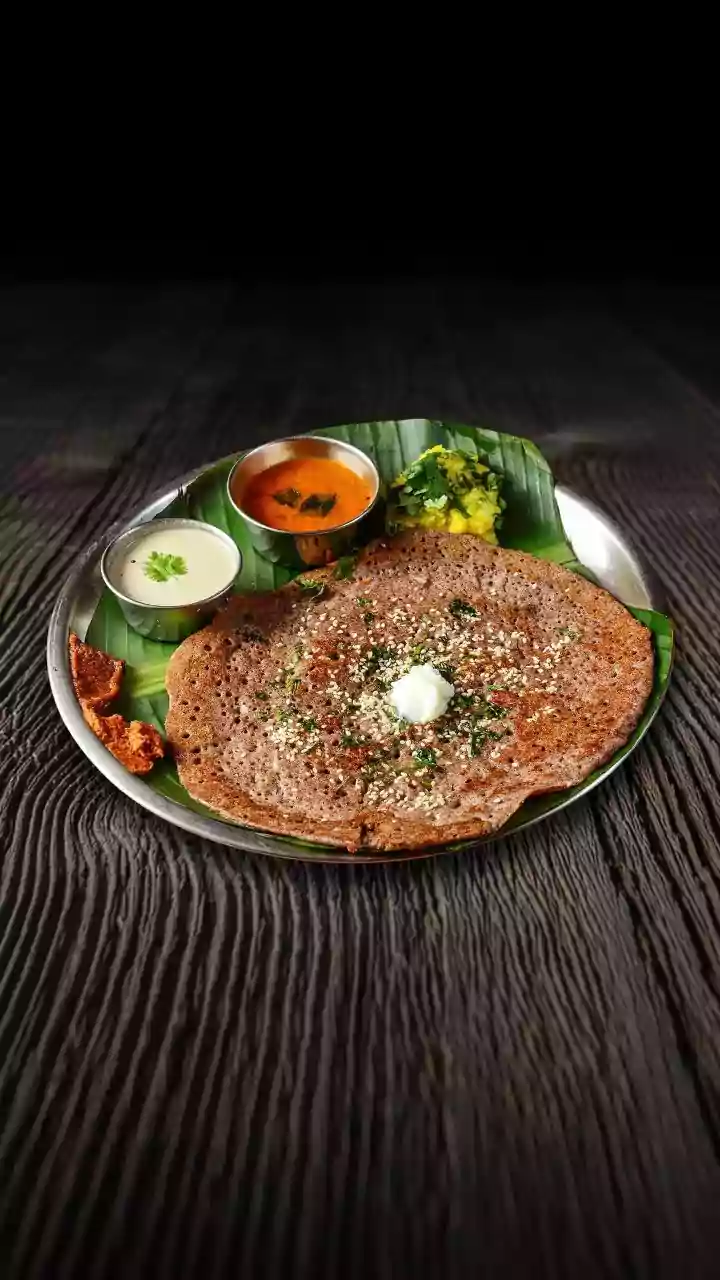
While Ragi Mudde is a form of porridge, the versatile finger millet also makes a fantastic flatbread, especially popular in Karnataka. Ragi Rotti is distinct from its northern counterparts. Here, the ragi flour is often mixed with finely chopped onions, green chillies, coriander leaves, and sometimes grated coconut or carrots before being patted thin, often on a banana leaf or a wet cloth, and then transferred to a hot tawa. This creates a savoury, flavour-packed flatbread that's soft on the inside with a slightly crisp exterior. It's a complete light meal in itself, often served with a simple chutney or a side of yoghurt.