





A Vision for Nocturnal Wildlife
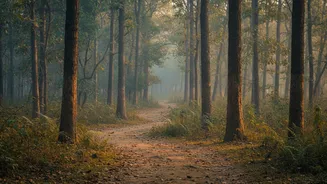
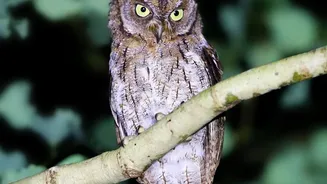
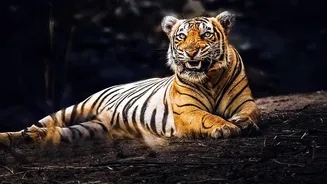
Inspired by Singapore's world-famous attraction, the Kukrail Night Safari is poised to be India's first park dedicated to nocturnal animals. The project, set within the sprawling 2,027-hectare Kukrail Reserve Forest, will allow visitors to see animals during
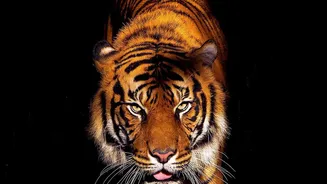
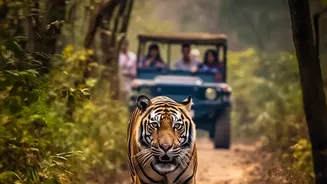
their most active hours after sunset. Unlike a traditional zoo, animals will be housed in large, naturalistic enclosures, and visitors will tour the area in quiet electric trams under simulated moonlight to minimise disturbance. This innovative approach aims to offer an immersive experience, showcasing the behaviour of species like tigers, leopards, and bears in a setting that mimics their natural habitat. The plan also includes shifting the existing Nawab Wajid Ali Shah Zoological Park to the site, creating a comprehensive wildlife hub.
The Legal and Environmental Hurdles
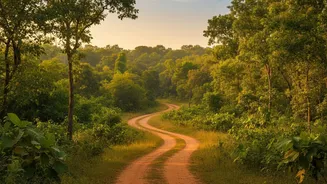
The ambitious project, first announced in 2022, faced significant legal and environmental scrutiny. Environmental activists and public-spirited individuals raised concerns, arguing that a large-scale tourism project within a reserve forest could cause irreparable harm to Lucknow's green lung. The Kukrail forest is an important ecosystem and home to India’s first gharial conservation centre, established in 1975. Petitions filed in the Supreme Court challenged the use of forest land for a commercial venture, highlighting the potential loss of tree cover. Due to a prior court order, any new zoo or safari required the Supreme Court's explicit permission, leading to a prolonged review process that involved multiple expert bodies.
The Supreme Court's Conditional Approval
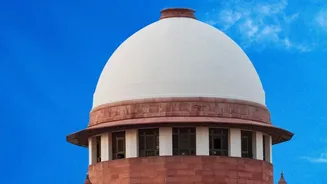
On July 15, 2026, a Supreme Court bench headed by the Chief Justice of India gave its nod for the project to proceed. The court's decision came after reviewing approvals from the Central Zoo Authority (CZA), the Ministry of Environment, Forest and Climate Change (MoEFCC), and the court-appointed Central Empowered Committee (CEC). However, the approval is not a blank cheque. The court has mandated strict compliance with all conditions laid down by these expert bodies. This includes periodic monitoring by the CEC to ensure all environmental safeguards are met, with the court warning that any breach will be viewed seriously. In response to concerns about tree felling, the state assured the court that a majority of the trees would be retained within the safari park.
What Visitors Can Expect
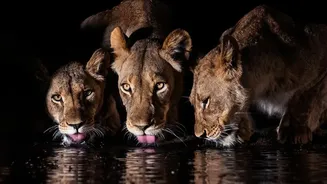
The Rs 1,500-crore project is designed to be a major tourist attraction, combining education, conservation, and entertainment. It will be developed in phases, with the first phase focusing on the night safari itself, along with themed zones like Indian Wetland and Arid India. The master plan includes a 7D theatre, an interpretation centre, nature trails, and a cafeteria. The safari is expected to house several species, including Asiatic lions, Bengal tigers, leopards, and sloth bears, in large, open-air enclosures. The government anticipates a significant footfall, with estimates of around 4,000 visitors on weekdays and 8,000 on weekends once it becomes operational, with a target opening date around December 2026.
Balancing Development and Conservation
The journey of the Kukrail Night Safari highlights the persistent tension between urban development and ecological preservation. While proponents see it as a landmark project that will boost tourism and generate employment, critics remain wary of its environmental impact. The Supreme Court, in its observations, noted that development should not come to a standstill, especially when expert bodies provide a framework for responsible execution. The state government has positioned the project as a conservation effort, not just a tourist destination, aiming to promote research and public awareness. The long-running Gharial Rehabilitation Centre is set to continue its operations alongside the new infrastructure, representing an attempt to integrate conservation with this new tourism model.