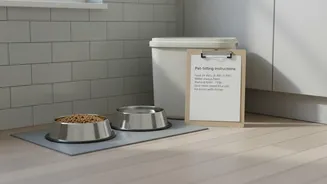




The Foundation: Ultra-Specific Feeding Instructions
The single most important section of your instruction sheet is feeding. Do not just write “feed twice a day.” To avoid any confusion, be incredibly specific. List the exact brand and type of food your pet eats. Specify the precise amount for each meal
— use measurements like “1/2 cup” or “one level scoop,” and consider leaving the exact scoop or measuring cup out. Note the times of day they are fed, as pets thrive on routine. If you have multiple pets, detail their individual feeding plans and whether they need to be fed in separate areas to prevent food stealing or disagreements. Also, list any and all treats that are allowed, how many, and which foods are strictly forbidden. This clarity helps prevent accidental overfeeding or stomach upset.
Vital Medical and Emergency Information
This section could save your pet’s life. Start with your primary veterinarian's name, address, and phone number. Crucially, also include the contact information for the nearest 24-hour emergency animal hospital. List all medications your pet takes, including the dosage, time, and how to administer it (e.g., hidden in a pill pocket, mixed with food). If your pet has a chronic condition, allergies, or past medical issues, describe the symptoms a sitter should watch for. It is also wise to leave your pet's insurance information, if applicable, and microchip number. Finally, provide an authorisation letter for the sitter to make medical decisions in an emergency, and consider leaving a credit card on file with your vet to handle any unexpected costs.
Detailing Their Daily Routine
Animals are creatures of habit, and sticking to their normal schedule can significantly reduce their stress while you're gone. Outline their entire day, from waking up to bedtime. Detail their bathroom habits, including how often they need to go out and any verbal cues you use. For dogs, describe their walk schedule: how many walks they get, how long they typically last, their preferred routes, and any notes on their leash behaviour, such as reactivity towards other dogs. For all pets, mention their playtime preferences. Do they have favourite toys? Do they enjoy a particular game? The more your sitter can replicate their normal day, the more comfortable your pet will feel.
Personality, Quirks, and Comforts
Every pet is unique, and sharing their individual personality traits will help your sitter understand them better. Is your pet shy around new people? A bundle of energy? Scared of thunderstorms or the vacuum cleaner? Knowing these behavioural quirks can help the sitter anticipate your pet's reactions and manage them effectively. Mention their favourite hiding spots in case they get scared or are difficult to find. Also include any commands they know. Describe what comforts them—a specific blanket, being talked to, or a particular spot where they like to be petted. This information helps your sitter build a positive relationship with your pet.
Essential Household and Contact Information
Your sitter needs to know more than just how to care for the pet; they need to know how to navigate your home. Clearly label and list the location of all pet supplies: food, treats, bowls, leashes, waste bags, litter, and cleaning supplies for any accidents. Provide house rules, such as whether pets are allowed on furniture. It's also helpful to include your Wi-Fi password. Finally, create a comprehensive contact list. It should include your mobile number, the contact details for where you’ll be staying, and at least one or two emergency contacts—friends or neighbours who live nearby and can help if you are unreachable.