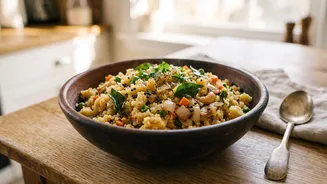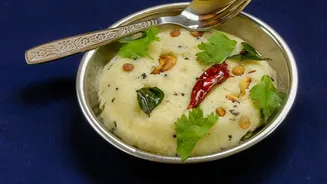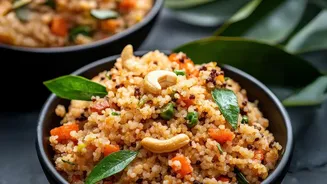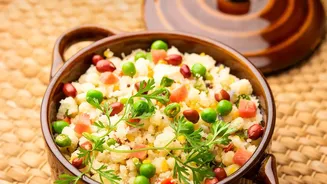


A warm, savoury bowl of upma is a comforting start to any day. But this seemingly simple breakfast staple, made from roasted semolina, is a canvas for incredible regional diversity across India, especially when vegetables enter the picture.
The Classic Foundation
Before diving
into regional specialities, it’s important to understand the basic rava upma. The classic preparation involves dry-roasting semolina (rava or suji) until fragrant, which is key to achieving a fluffy, non-sticky texture. A tempering of mustard seeds, lentils like urad dal, curry leaves, ginger, and green chillies is prepared in oil or ghee. Onions are often sautéed until translucent before hot water is added. The roasted rava is then slowly stirred in and cooked until it absorbs the liquid, resulting in a soft, savoury porridge. This simple version is beloved across many parts of South India and Maharashtra.
Karnataka’s Spicy and Veggie-Packed Khara Bath
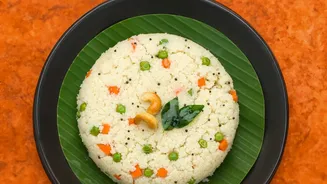
In Karnataka, upma is often transformed into a spicier, more robust dish called Khara Bath. It stands out for its generous use of vegetables like carrots, green beans, and peas. What truly defines its flavour is the addition of a special spice blend, often vangi bath powder or sambar powder, which imparts a unique, aromatic kick. Often served in eateries as part of a 'Chow Chow Bath' alongside the sweet Kesari Bath, Khara Bath is a perfect example of how vegetables and regional spices can elevate upma into a full, satisfying meal. A final touch of ghee and a squeeze of lemon juice brightens the flavours.
The Maharashtrian Approach
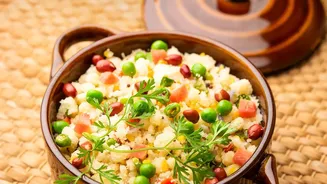
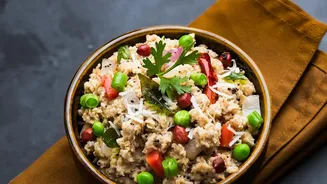
In Maharashtra, where the dish is sometimes called Sanza, the vegetable upma often features a prominent combination of onions and tomatoes, sautéed well to form a flavourful base. It’s common to find versions that also include diced carrots, baby corn, or green peas. The Maharashtrian style often aims for a texture where each grain of rava is perfectly cooked and separate. The use of ingredients like cashews for crunch and a garnish of fresh coriander and grated coconut is also popular, creating a comforting and balanced breakfast.
Tamil Nadu's Soft and Aromatic Take
The Tamil Nadu style of upma often prioritizes texture and aroma. While vegetables like carrots and peas can be added, many traditional recipes focus on the classic tempering with the addition of finely chopped onions and ginger. The ratio of water to rava is key here, often using a little more water to create a melt-in-the mouth softness. A generous dollop of ghee added at the end is nonstoppable for many, lending a rich aroma and flavour that defines this version. Some variations also include a squeeze of lemon for a hint of tanginess.
Beyond Semolina: A World of Grains
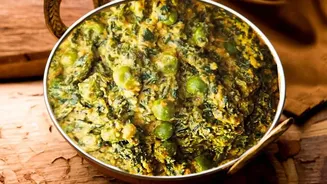
The concept of upma extends far beyond just rava. Its versatile formula can be applied to a wide variety of grains, making it a healthy and adaptable dish. Semiya (vermicelli) upma is a popular, lighter alternative that cooks quickly. For a more nutritious and fibre‐rich option, many now make upma using whole grains like broken wheat (dalia), oats, and various millets such as foxtail, barnyard, and kodo millet. These versions follow the same principle of a savoury tempering and the addition of vegetables, showcasing how this traditional breakfast continues to evolve in modern Indian kitchens.