




More Than Just a Status Symbol
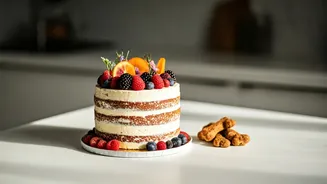
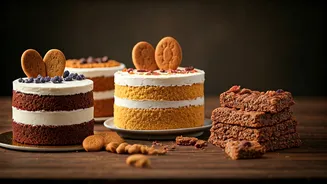
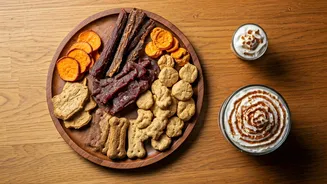
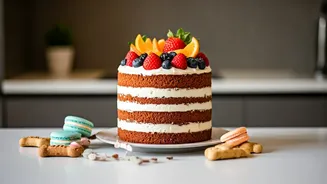
Walk into a pet bakery in a major American city and you might forget, for a moment, that you’re not in a high-end patisserie for humans. Glass cases display artfully decorated treats: bone-shaped cookies with yogurt-based icing, miniature cakes topped
with a single candle, and colorful macarons made from pet-safe ingredients. These aren't just shops; they are destinations. Bakeries like Maison de Pawz in New York City or The Dog Bakery in Los Angeles have become local fixtures for a certain type of pet owner—one who sees their animal not just as a pet, but as a cherished family member deserving of celebration. The centerpiece of this movement is the pet birthday. What was once a quirky, private acknowledgement has blossomed into a full-blown event, complete with a guest list of canine friends, party hats, and, most importantly, a professionally made, Instagram-worthy cake.
The 'Fur Baby' Gets a Birthday Cake
This trend is fueled by a powerful cultural shift: the humanization of pets. Across the U.S., and particularly among Millennials and Gen Z in urban centers, pets are increasingly filling roles once reserved for children. As more young adults delay marriage and parenthood, their dogs and cats become their “fur babies.” They invest emotionally and financially in their well-being, and celebrating milestones like birthdays is a natural extension of that bond. According to market data, Americans are spending more on their pets than ever before, with the pet industry ballooning into a more than $100 billion market. A significant slice of that spending is on premium food and treats. A custom birthday cake for a dog, which can cost anywhere from $30 to $90, doesn't seem extravagant when viewed through the lens of family. It’s an act of love, a way to create memories, and a tangible expression of the animal’s place in the household.
The Wellness Trend on Four Legs
The demand isn't just for any cake; it’s for *specialized* and *organic* treats. This mirrors the human wellness movement perfectly. Pet owners who scrutinize labels for their own food—seeking out non-GMO, gluten-free, and organic options—are now doing the same for their pets. Pet bakeries are leaning into this, advertising their use of human-grade, whole-food ingredients. You won’t find chocolate, which is toxic to dogs. Instead, carob serves as a safe and convincing substitute. Wheat flour is often replaced with oat, coconut, or rice flour for sensitive stomachs. Frostings are made from yogurt, cream cheese, or peanut butter, colored with natural powders from beets or spinach. These bakeries aren't just selling a novelty item; they're selling peace of mind. Owners can indulge their pets without worrying about the preservatives, fillers, and mysterious by-products found in many mass-market treats. It’s a guilt-free splurge that aligns with a broader lifestyle of conscious consumption.
A Lucrative Niche in Pet Retail
While it might seem like a whimsical business, the pet bakery model is a smart one. They tap into the high-margin world of specialty goods while catering to a customer base known for its emotional spending. By focusing on celebratory occasions—birthdays, adoption anniversaries (“gotcha days”), and holidays—they create recurring demand. Many of these bakeries also function as community hubs, hosting yappy hours and adoption events, further embedding themselves in the local pet-loving culture. They leverage social media brilliantly, as customers eagerly post photos of their pets enjoying the photogenic treats, providing free and authentic marketing. This isn't just a big-city phenomenon, either. While Tier 1 cities are the epicenter, the trend is trickling down to smaller cities and affluent suburbs, often starting as online businesses or pop-ups at farmers' markets. For entrepreneurs, it’s a chance to combine a passion for baking with a love for animals, carving out a sweet spot in a booming and emotionally resonant market.