


Essential Monsoon Care Tips
Before you start planting, success during the rainy season comes down to a few key preparations. First, ensure every pot has drainage holes to prevent waterlogging, which is the biggest enemy of balcony plants during this season. Elevating pots on stands
or bricks can also help excess water escape. Use a light, well-draining soil mix; you can amend regular potting soil with sand or coco peat to improve aeration. High humidity can invite fungal issues, so ensure good air circulation by not overcrowding your plants. Finally, remember that even on cloudy days, your plants are getting light, and the consistent moisture means you'll need to water less frequently than in the summer.
1. Mint (Pudina)
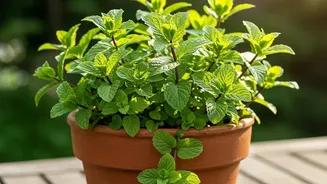
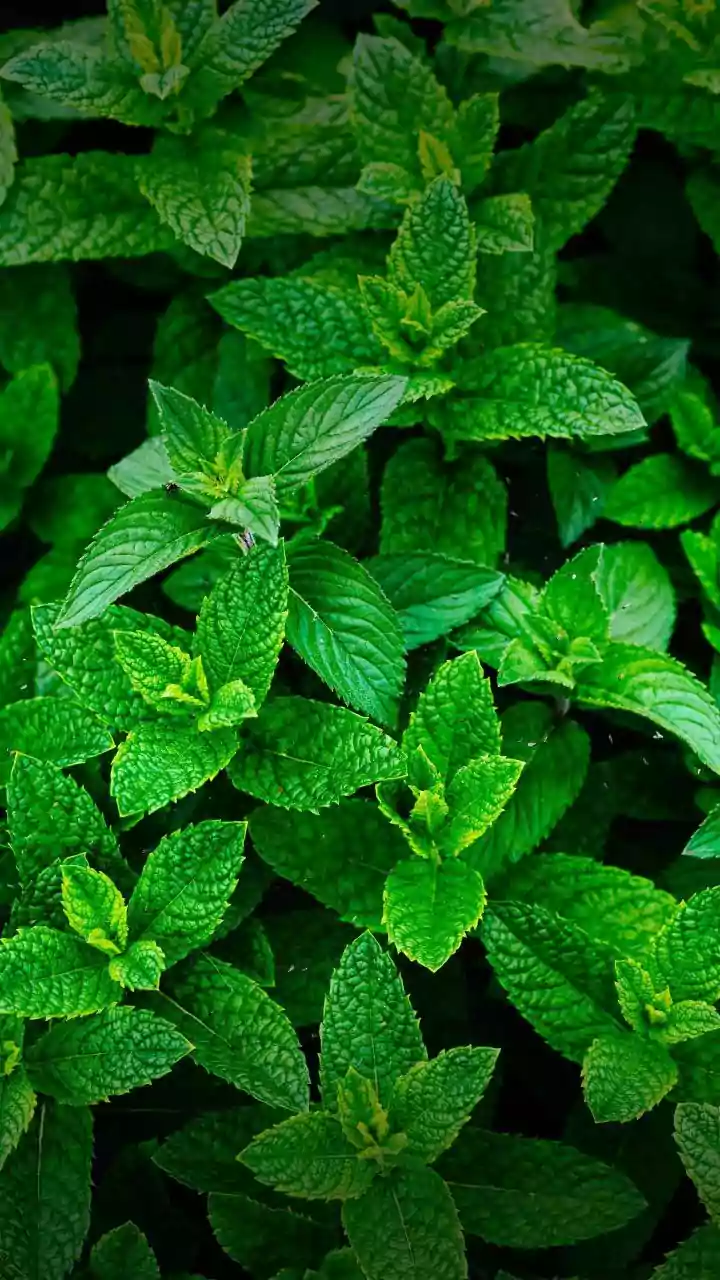
Mint is perhaps the easiest and most rewarding herb for a monsoon garden. It loves consistently moist soil and thrives in partial shade, making it perfectly suited for the season. Its runners spread quickly, so it's best to grow it in its own pot to prevent it from taking over other plants. For lush growth, use a wide container rather than a deep one, as its roots grow horizontally. Keep the soil moist but not waterlogged, and harvest the leaves regularly by pinching off the top stems. This encourages the plant to grow bushier and more productive, ensuring you have a steady supply for chutneys and teas all season long.
2. Holy Basil (Tulsi)
A fixture in many Indian households, Tulsi is a hardy plant that adapts well to pot culture. While it loves sun, it can grow successfully with just four to six hours of bright, indirect light, which is common on balconies during the monsoon. Ensure it's planted in fertile, well-draining soil. Overwatering is a common problem, especially during the rains, so only water when the top inch of soil feels dry. Regularly pinching off the flowering heads (manjiri) is crucial. This not only redirects the plant's energy into producing more aromatic leaves but also prolongs its life.
3. Indian Borage (Ajwain)
Often mistaken for the plant that produces ajwain seeds, this herb is known for its fleshy, aromatic leaves that have a similar scent. Indian Borage, or Patharchur, is a semi-succulent, meaning it stores water in its leaves and is very forgiving if you occasionally forget to water it. It thrives in bright, indirect sunlight for a few hours a day and detests waterlogged soil, making good drainage paramount. Lack of adequate light can make the plant leggy and the leaves thin. Regular pruning will encourage a bushier, healthier plant, giving you plenty of pungent leaves to make delicious pakoras on a rainy day.
4. Lemongrass
With its graceful, arching leaves and distinct citrusy fragrance, lemongrass is a fantastic addition to a monsoon balcony garden. This tropical grass loves warmth, humidity, and moisture, all of which are abundant during the Indian monsoon. While it performs best in full sun, it can tolerate partial shade, especially in the afternoon. The key is to keep its soil consistently moist without letting it get waterlogged. A large, deep pot is recommended to accommodate its clumping growth habit. You can harvest it by cutting stalks at the base once the plant is well-established.
5. Betel Leaf (Paan)
The Paan vine is a tropical creeper that is perfectly adapted to the warm, humid conditions of the monsoon and prefers filtered or indirect sunlight. Direct, harsh sun can burn its delicate, heart-shaped leaves, making a shaded or semi-shaded balcony an ideal home. As a climber, it needs support like a trellis or a moss stick to grow well. Use a well-draining, loamy soil and water to keep it moist but never soggy. The increased humidity in the air during the rains will keep the leaves fresh and glossy, bringing a touch of traditional greenery to your modern living space.