



Understanding the Three Layers of Light
Good lighting design isn't about a single, bright overhead fixture. In fact, that's often the enemy of atmosphere, casting harsh shadows and making a space feel flat. The key is to layer light from multiple sources. Think of it in three categories. First
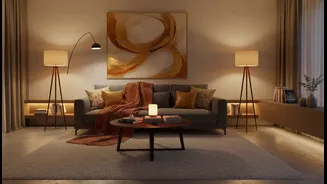
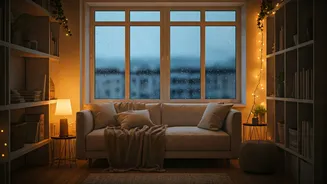
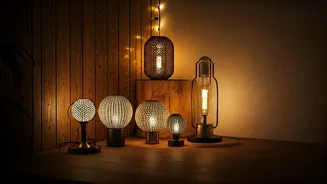
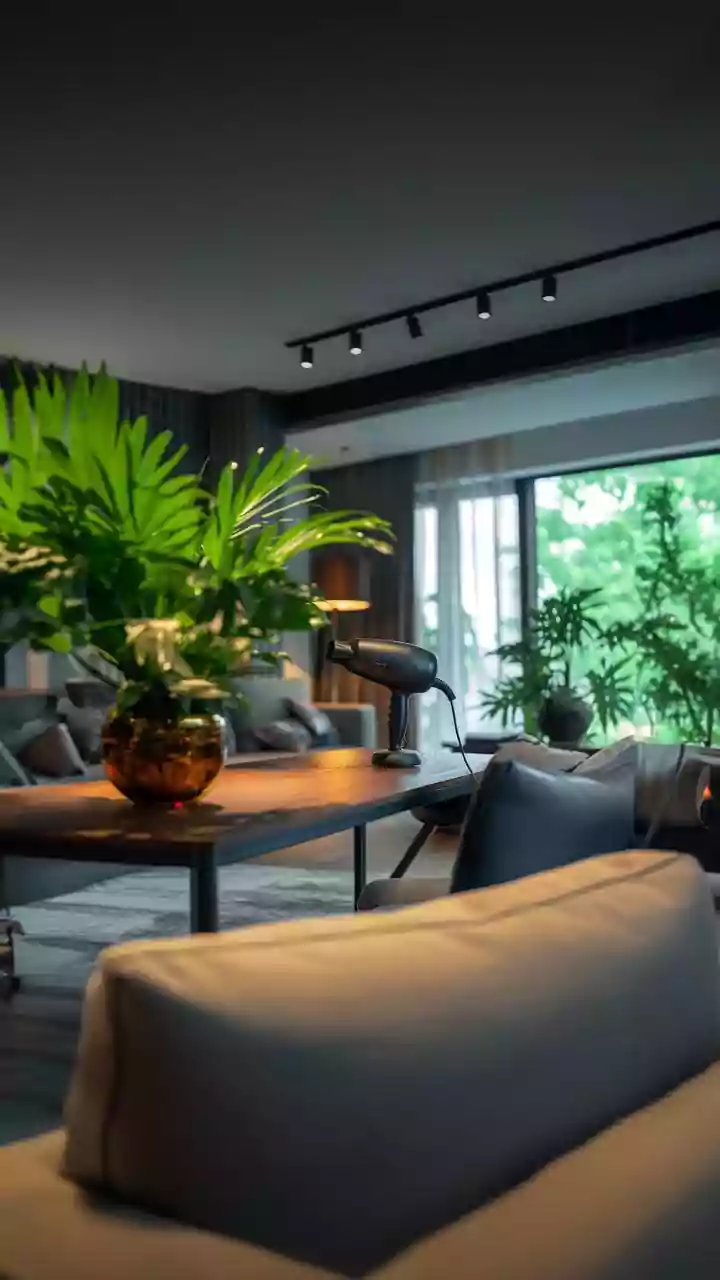
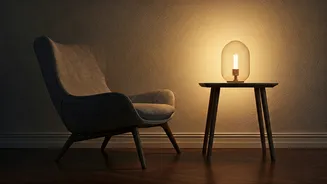
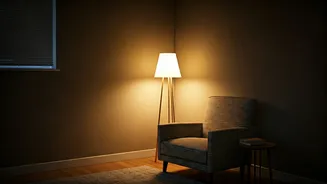
is 'ambient' light, the general, foundational glow for the room, often from a ceiling pendant or recessed lights on a dimmer. Second is 'task' lighting, which is focused light for specific activities like reading or working; a floor lamp by a chair or a desk lamp are perfect examples. Finally, 'accent' lighting adds drama by highlighting specific features, such as a piece of art, a plant, or architectural details. Combining these three layers gives you ultimate control over the room's mood.
Putting Lighting into Practice
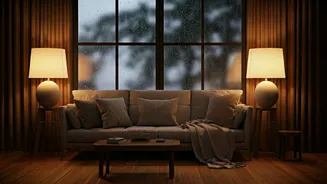
To start, ensure your main ambient light source is dimmable—this is non-negotiable for creating atmosphere. Then, strategically place task and accent lights around the room at different heights. A floor lamp can soften a dark corner, a small table lamp can create a warm pool of light on a side table, and LED strips can add a subtle glow behind a media unit or on shelves. Pay attention to the colour temperature of your bulbs. Warmer light (around 2200K) creates a cozy, intimate feel perfect for evenings, while cooler tones (2700K and up) are better for alertness and tasks. The goal is to create a flexible system where you can mix and match light sources to suit the time of day and the feeling you want to evoke.
The Power of Touch and Visual Texture
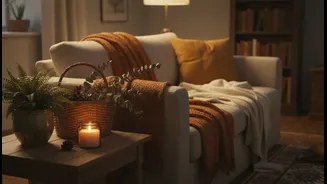
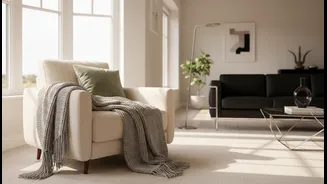
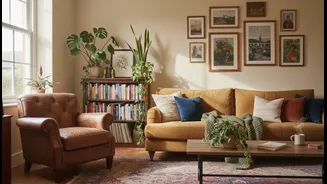
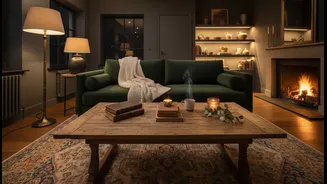
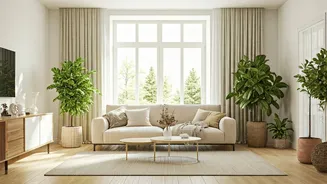
Texture is the element that appeals to our sense of touch and adds what designers call 'visual weight' to a room. A space filled with only smooth, flat surfaces can feel cold and sterile, even if the colours are warm. Introducing a variety of textures prevents this by creating depth and interest. Think about the difference between a sleek leather sofa, a chunky knit throw, a rough jute rug, and a smooth wooden coffee table. Each material interacts with light differently and adds to the room's overall sensory experience. Mixing textures is the secret to making even a neutral colour scheme feel rich and inviting.
How to Effectively Mix Textures
The key to layering textures is to aim for contrast, not chaos. A good rule is to start with your largest surfaces—your sofa, rug, and curtains—and ensure they have some textural variation. Then, layer in smaller items. Add velvet or faux fur cushions to a linen sofa in winter, or swap them for light cotton in summer. Don't forget hard surfaces; balance soft textiles with natural materials like wood, stone, metal, and even plants. Baskets, ceramic vases, and metal-framed mirrors all contribute to the textural story of the room. This mix of hard and soft, rough and smooth, is what makes a space feel balanced, lived-in, and intentionally designed.
The Magic Happens When Light Meets Texture
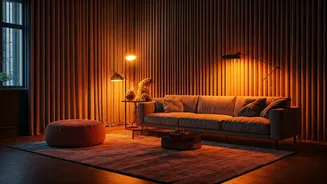
This is where the real transformation occurs. The way light interacts with a surface can completely change its appearance. For instance, placing a lamp close to a textured wall—a technique called 'grazing'—will cast shadows that dramatically highlight its contours, whether it's brick, stone, or even a decorative plaster. A soft, diffused light source will make a velvet cushion appear even more plush and inviting, while a focused spotlight can make a polished metal object gleam. Matte surfaces absorb light, creating a soft look, whereas shiny surfaces reflect it, adding a dynamic quality. By thinking about how your layered lighting will fall on your layered textures, you can create pockets of visual interest and add incredible depth and dimension to your living room.