


The Undisputed Party Starter
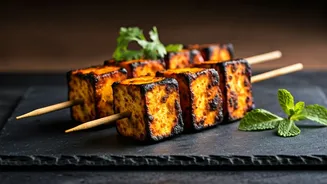
Picture the scene: you arrive at a gathering, navigate the pleasantries, and your eyes scan the room for the food counter. What’s the first thing you hope to see? For a vast number of Indians, the answer is a platter of perfectly charred, brilliantly
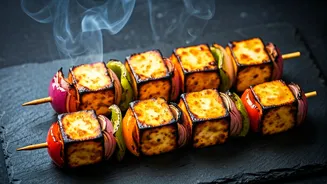
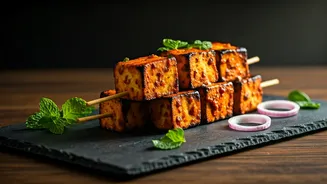
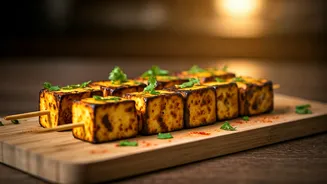
orange Paneer Tikka. It’s the ultimate signal that the festivities have begun. Waiters carrying trays of these succulent cubes are swarmed instantly. It has become more than just an appetiser; it’s an event in itself, the reliable crowd-pleaser that sets the tone for the entire meal. Whether it’s skewered with crisp capsicum and onion or served simply with a side of mint chutney, its arrival is met with a universal nod of approval. It’s the safe, delicious bet that every host makes, and it almost always pays off.
The Great Vegetarian Unifier
For decades, vegetarian options at non-vegetarian-centric gatherings felt like an afterthought—a sad-looking vegetable cutlet or a generic spring roll. Paneer Tikka changed the game. It’s not just a substitute; it’s a star in its own right. Borrowing the robust, smoky flavours of the tandoor, traditionally reserved for meats, it gave vegetarians a 'hero' dish that could stand shoulder-to-shoulder with its non-vegetarian counterparts like Chicken Tikka. This masterstroke of culinary inclusion is a key reason for its dominance. In a country with a significant vegetarian population, Paneer Tikka offers a premium, satisfying, and celebratory option that makes everyone feel included. It bridges the culinary divide at social events, ensuring that no guest feels like they’re missing out on the best flavours the party has to offer.
From Royal Roots to Every Kitchen
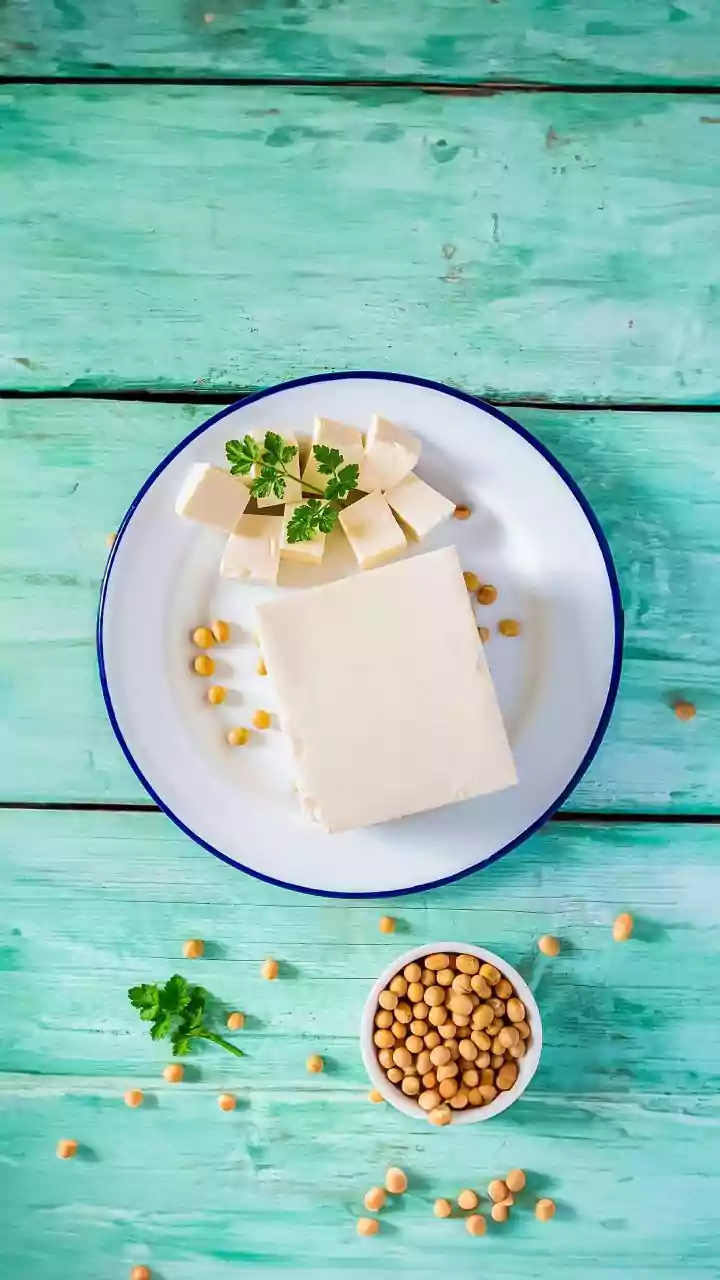
The 'tikka' style of cooking—marinating chunks of food and grilling them over high heat—has its roots in the Mughal era. The tandoor, a cylindrical clay oven, was the engine of this culinary tradition, producing smoky, flavourful kebabs and meats fit for royalty. Paneer, or Indian cottage cheese, was a relatively simple, homemade food for centuries. The genius move was marrying the two. While the exact origin is debated, this fusion likely gained popularity in post-Partition Punjab, particularly in Delhi's culinary landscape. Restaurants like Moti Mahal, famous for popularising tandoori chicken, also played a role in creating vegetarian versions for their patrons. This innovation democratised the tandoori experience, taking a technique once reserved for meat and making it accessible and desirable for all.
A Perfect Canvas for Creativity
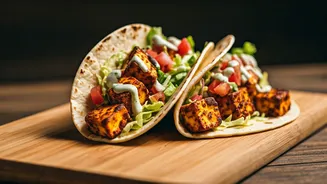
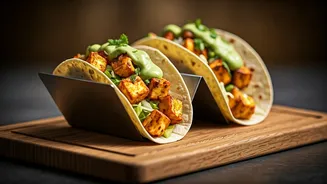
Part of Paneer Tikka's enduring appeal is its incredible versatility. The classic yoghurt-and-spice marinade is just the beginning. Today’s menus are a testament to its adaptability. You have the creamy, mild Malai Tikka, infused with cashew paste and cream. There’s the vibrant green Haryali Tikka, packed with the freshness of mint and coriander. For those who like a punch, the Achari Tikka brings the sharp, tangy flavours of Indian pickles to the forefront. This ability to act as a flavour-absorbing canvas allows chefs and home cooks to constantly reinvent it. It can be an appetiser, the main protein in a rich gravy (Paneer Tikka Masala), a filling for kathi rolls and sandwiches, or even a topping for 'fusion' pizzas. This adaptability ensures it never feels dated or boring.