



The Building Blocks of Health
Protein is a crucial macronutrient, essential for nearly every function in your body. It builds and repairs tissues, makes enzymes and hormones, and is a vital component of bones, muscles, cartilage, skin, and blood. Proteins themselves are made of smaller
units called amino acids. There are 20 different amino acids, nine of which are considered "essential." Our bodies cannot produce these nine on their own, so we must get them from the food we eat.
Decoding 'Complete' vs. 'Incomplete' Protein
You may have heard foods described as being either a “complete” or “incomplete” protein. A food source is considered a complete protein when it contains all nine essential amino acids in adequate amounts. Animal-based foods like meat, fish, eggs, and dairy are generally complete proteins. Most plant foods, on the other hand, are considered incomplete because they are low in one or more of these essential amino acids. But this isn't a nutritional dead end; in fact, it's where things get interesting.
Lentils and Rice: A Perfect Partnership
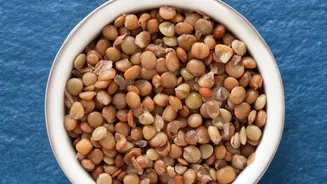
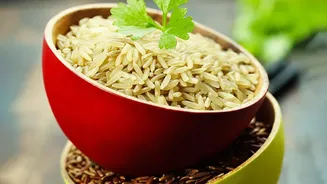
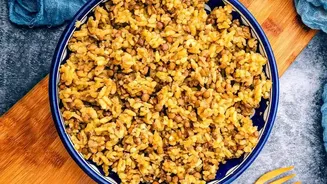
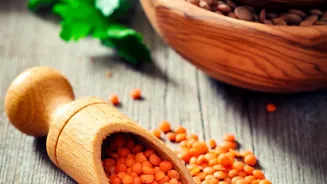
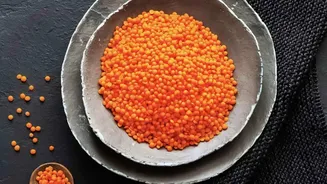
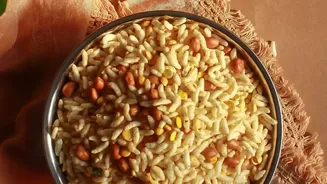
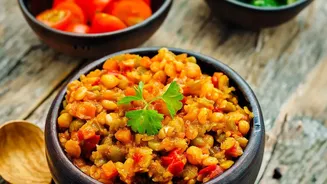
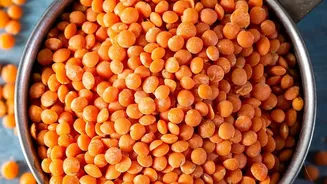
The classic Indian staple of dal (lentils) and rice is a perfect example of protein synergy, also known as protein complementation. Lentils are powerhouses of protein but are low in two sulfur-containing amino acids: methionine and cysteine. Grains like rice happen to be low in a different amino acid, lysine, but contain the methionine that lentils lack. When you eat them together, their amino acid profiles complement each other perfectly. The lysine from the lentils makes up for what's low in the rice, and the methionine from the rice fills the gap in the lentils. The result is a meal that provides all nine essential amino acids, creating a high-quality, complete protein.
Does Timing Matter?
For years, it was believed that you had to eat complementary proteins in the same meal to get the full benefit. This theory, popular in the 1970s, has since been debunked. Modern nutritional science shows that the body maintains a pool of amino acids it can draw from throughout the day. This means that as long as you eat a variety of plant-based protein sources over the course of a day, your body can combine them to create the complete proteins it needs. So, you could have lentils for lunch and rice with your evening meal and still achieve the same synergistic effect.
Other Powerful Plant Pairings
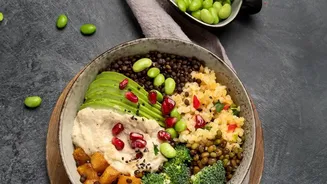
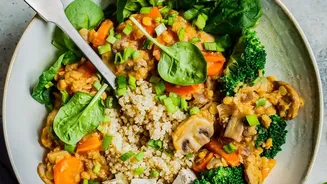
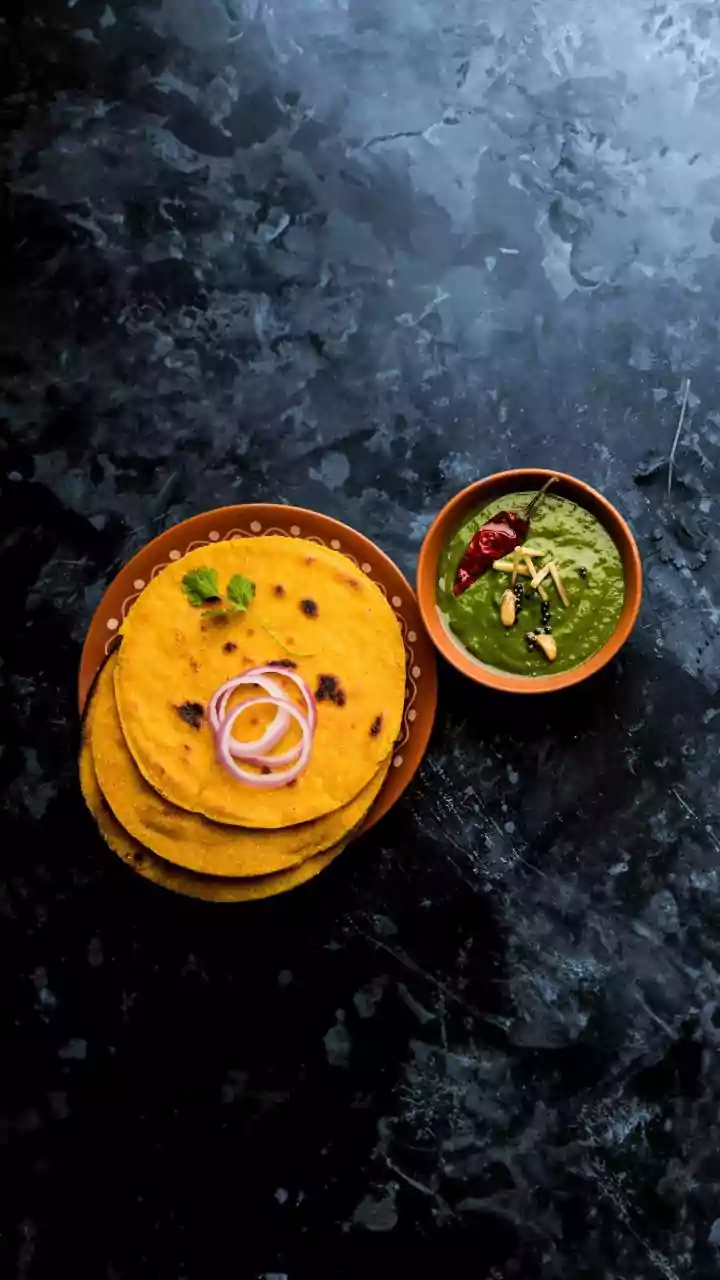
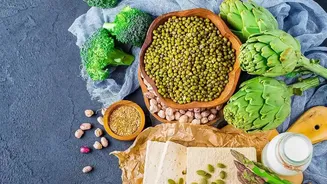
The principle of combining legumes with grains, nuts, or seeds extends far beyond just lentils and rice. This nutritional wisdom is found in traditional cuisines all over the world. Think of hummus (made from chickpeas, a legume) served with pita bread (a grain). A simple peanut butter sandwich on whole-wheat bread is another classic example. Other combinations include beans and tortillas, dal with roti (a type of flatbread), or a quinoa salad mixed with black beans. By including a variety of these foods in your diet, you can easily meet your body's protein requirements without much effort.