


The Big Picture: A Landmark Agreement
After extensive negotiations, India and the UK have finalised a Comprehensive Economic and Trade Agreement (CETA) that will roll out starting July 15, 2026. [3, 9] This is being hailed as the most comprehensive trade deal India has ever brought into force.
[9] The primary goal is to boost bilateral trade by reducing or eliminating tariffs across numerous sectors, including textiles, pharmaceuticals, and, most notably, the automotive industry. [2] For years, steep import duties have been a major barrier. For instance, tariffs on some vehicles imported into India from the UK were as high as 100-110%. [1, 2] This new agreement sets a path to drastically lower these barriers, albeit through a phased, quota-based system designed to protect domestic manufacturers while encouraging trade. [1, 2] High-level meetings are already underway to ensure a smooth implementation of the deal. [3, 5, 10]
Unpacking the 'Two-Wheeler Twist'
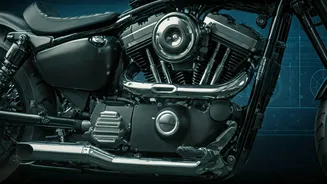
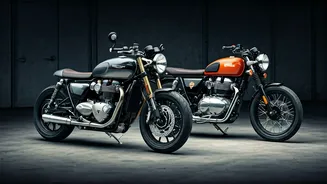
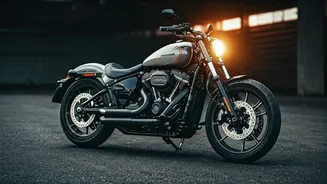
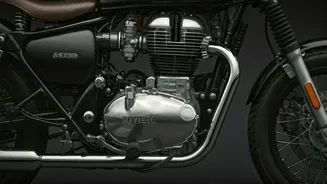
While much of the attention has focused on luxury cars, the deal holds significant implications for motorcycles. [1] For UK-made motorcycles imported into India, the cripplingly high import duties of over 100% are set to fall dramatically. [12, 14] The agreement outlines a phased reduction that will eventually bring tariffs down to as low as 10% for a certain number of units, or quota. [2, 6] Conversely, the deal is expected to reduce UK duties on Indian exports, including motorcycle components, from a range of 4-16% down to zero. [13, 14] This creates a two-way street of opportunity. Strict 'rules of origin' will apply, ensuring that only products genuinely manufactured in either country will qualify for these benefits, preventing third-country goods from being routed through to gain an unfair advantage. [1]
A Win for 'Made in India' Brands?
This agreement could be a major boon for Indian motorcycle manufacturers who have been expanding their global footprint. [4] Royal Enfield, a brand with British heritage now synonymous with Indian manufacturing, already has a significant presence in the UK market and stands to benefit from more favourable export conditions. [4, 12] Similarly, TVS Motor Company, which owns the iconic British brand Norton, and Bajaj Auto, which manufactures Triumph's popular 400cc models in India, are positioned to leverage the deal. [4, 12] The reduction of UK duties on Indian-made components makes exporting more competitive and could encourage further investment in 'Make in India' for the global market. [13, 14] The deal could improve India's export potential, create jobs, and boost manufacturing capacity. [1]
What It Means for British Icons in India
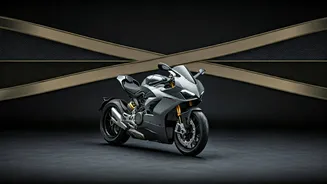
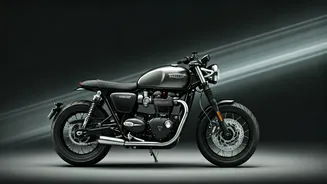
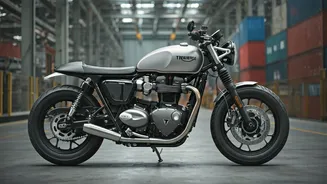
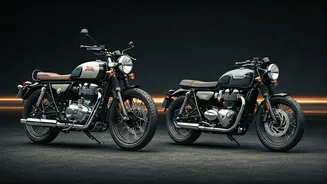
On the other side of the equation, premium British motorcycle brands like Triumph, Norton, and BSA are set to become more accessible to Indian consumers. [1] The phased reduction of India's high import tariffs means that the final showroom price of these desirable machines could decrease significantly. [1, 12] For example, limited-edition Triumph models that are built in the UK and currently subject to high import costs could become more affordable. [17] TVS-owned Norton Motorcycles is expected to be a major beneficiary, potentially allowing it to launch its upcoming range in India at more competitive prices. [17, 18] This increased competition is likely to energize the premium segment of the Indian motorcycle market, offering more choice to enthusiasts.
The Rider's Perspective: What to Expect
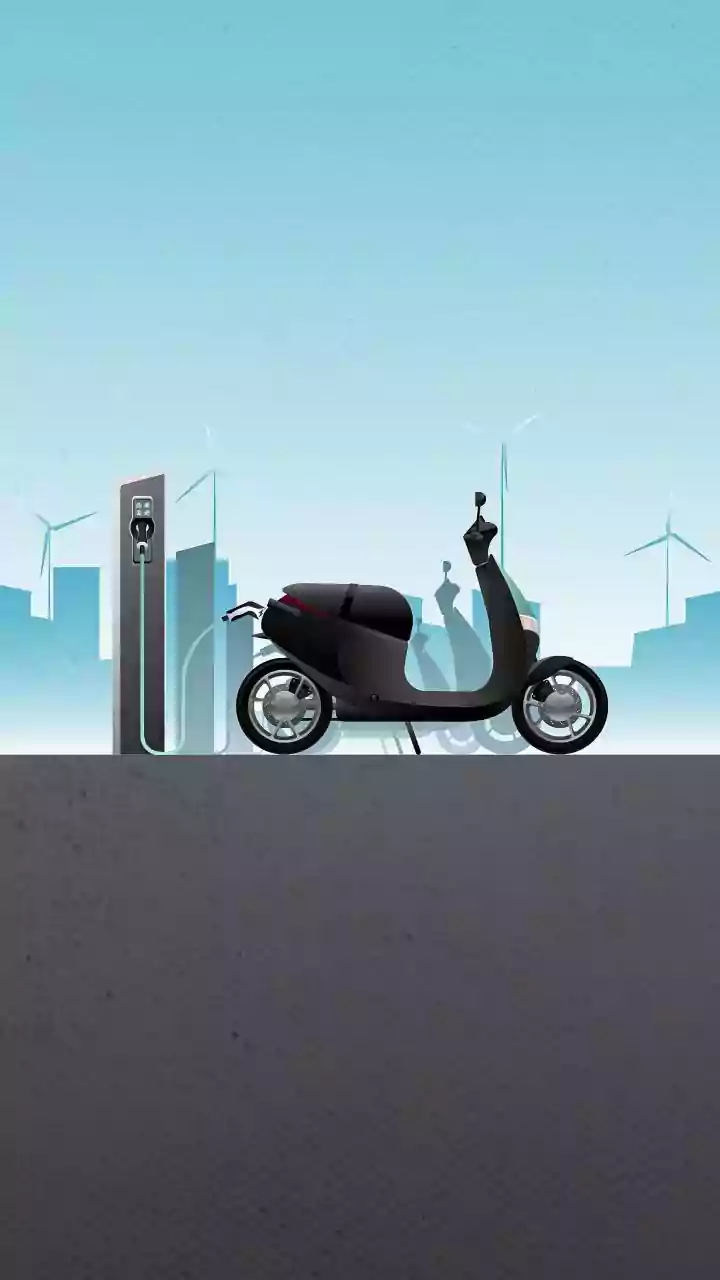
For the average motorcycle enthusiast in India, the primary question is about price and availability. The tariff reductions will be phased in, so don't expect overnight price drops on July 15. [6, 7] The system is quota-based, meaning only a limited number of vehicles will be eligible for the lower duties each year. [1, 6] For instance, while the eventual goal is a 10% tariff, the initial reductions will be less drastic and apply to specific categories. [7, 8] It is also important to note that the agreement, in its initial phase, focuses on internal combustion engine (ICE) vehicles, with tariff concessions for electric vehicles not expected to kick in for several years. [1, 8] Riders in the UK might see more competitively priced Indian-made bikes, especially popular models from Royal Enfield and the Triumph-Bajaj partnership. [4, 12] The full impact will unfold over the next few years as the phased reductions and expanding quotas take effect.