



Your Simple Stargazing Kit
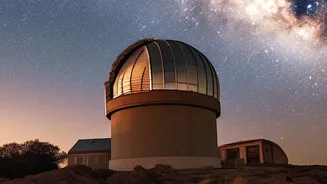
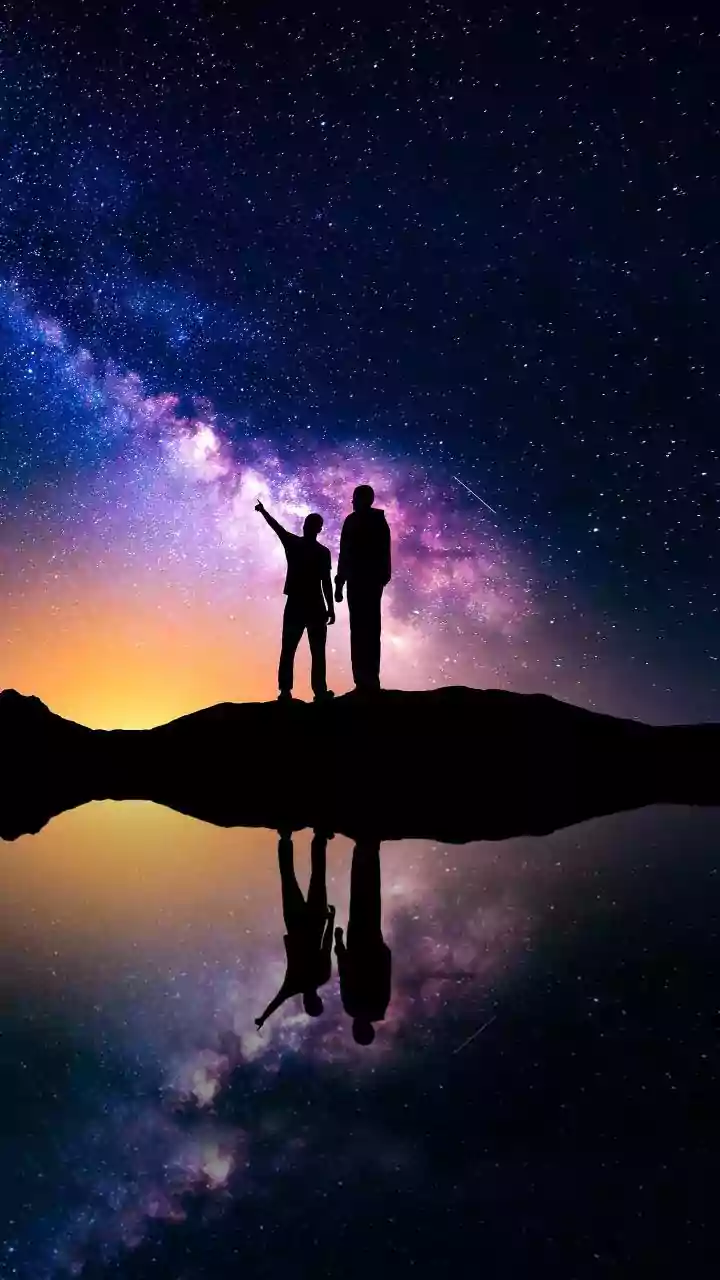
Getting started with skywatching is easier than you think. The most important tool is a dark location, away from city lights that cause light pollution. Let your eyes adjust to the darkness for about 20-30 minutes; this will dramatically increase the number
of stars you can see. A reclining chair or a blanket will make for comfortable viewing. While not essential, a good pair of binoculars can enhance the view of planets and star clusters. You can also download a stargazing app on your smartphone, which uses your location to show you a map of the night sky, helping you identify stars, planets, and constellations.
Saturn at Its Brightest
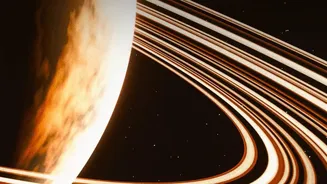
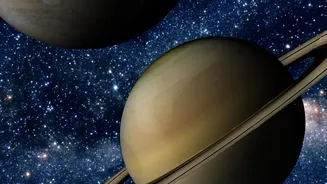
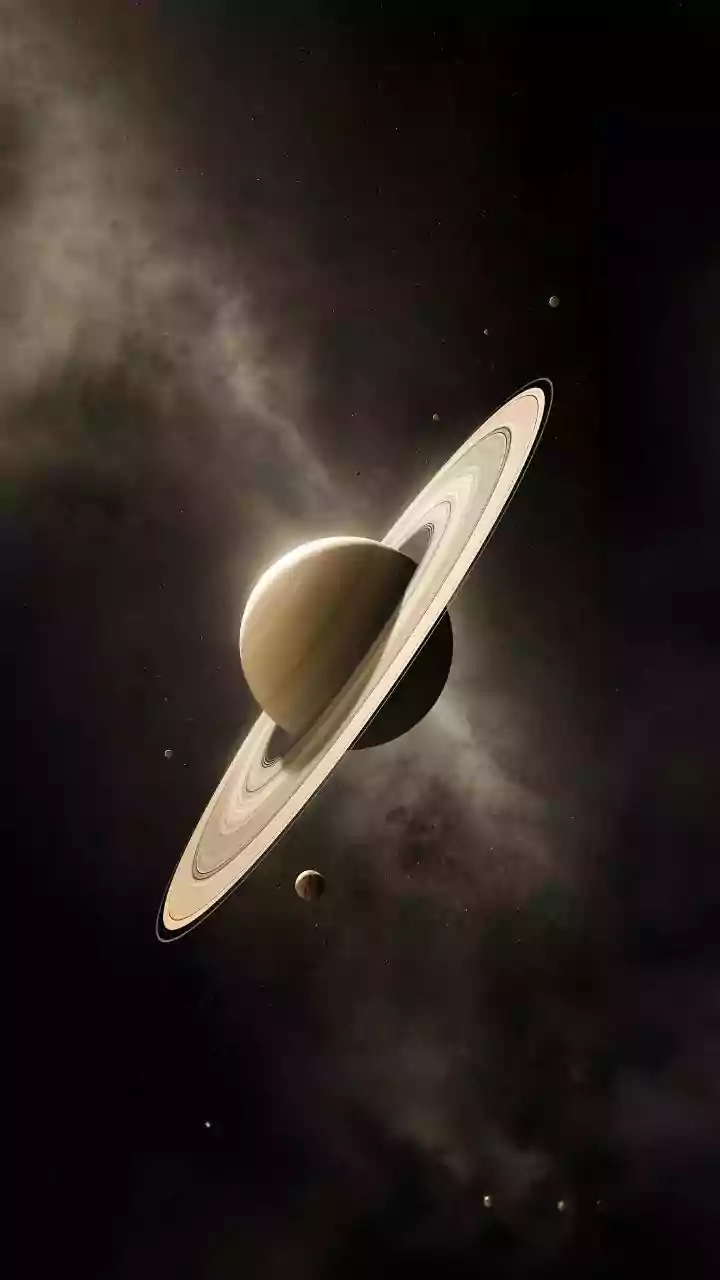
October begins with a spectacular planetary event. On October 4, Saturn will be at opposition. This means Earth is positioned directly between the Sun and Saturn, making the ringed planet appear at its biggest and brightest for the year. It will be visible for most of the night, rising in the east around sunset and setting in the west around sunrise. Look for a steady, golden-yellow point of light. While you need a telescope to see its famous rings clearly, its bright, commanding presence in the sky is a magnificent sight for the naked eye.
A Minor Meteor Shower: The Draconids
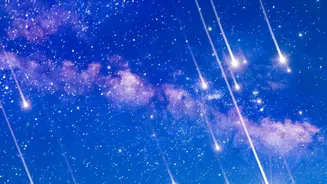
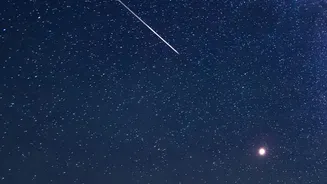
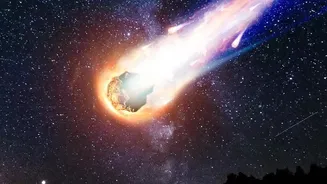
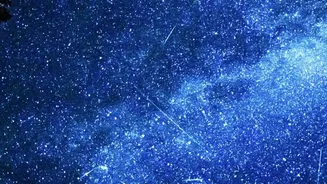
The first of two meteor showers this month, the Draconids, is set to peak on the night of October 8-9. This is a minor shower, typically producing only about five to ten meteors per hour. However, 2026 offers excellent viewing conditions because the peak coincides with a waning crescent moon, meaning the skies will be dark. Unlike many other showers, the best time to watch the Draconids is in the evening, just after nightfall, rather than in the early morning hours. Look towards the constellation Draco in the northern sky to spot these shooting stars.
The Dark Skies of the New Moon
Mark October 10 on your calendar. This is the date of the New Moon. On this night, the Moon is not visible in the sky, which means no moonlight will interfere with your stargazing. These are the best conditions for observing fainter objects like distant galaxies and nebulae. The Andromeda Galaxy, the most distant object visible to the naked eye, appears as a faint, fuzzy patch of light in the constellation Andromeda and is well-placed for viewing in October's dark skies.
A Major Shower: The Orionids
The Orionid meteor shower, active from early October to early November, will reach its peak in the pre-dawn hours of October 21-22. These meteors are famous for being debris left behind by the iconic Halley's Comet. In a dark sky, you might see between 15 and 25 meteors per hour. The meteors appear to radiate from the constellation Orion the Hunter, which will be high in the sky after midnight. This year, a bright waxing gibbous Moon will be present during the peak, which may wash out some of the fainter meteors. For the best view, try watching in the hours between moonset (around 3 a.m.) and dawn.
The Hunter's Moon and Other Planets
The full moon of October, traditionally known as the Hunter's Moon, will rise on October 26. While its bright glare makes it difficult to see fainter stars, a full moonrise is a beautiful spectacle in itself. Throughout the month, keep an eye out for other planets. Jupiter will be a brilliant point of light rising a few hours after sunset, becoming more prominent as the month goes on. Mars, with its distinct reddish glow, can be spotted in the pre-dawn sky. Venus may also be visible as a very bright object low in the west shortly after sunset.