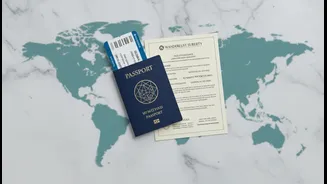









Start with Health and Medical Scenarios
Before you go anywhere, think about your health. The risk isn't just about catching a cold; it's about being prepared for anything from food poisoning to a more serious medical event in an unfamiliar place. Start by researching your destination's health landscape.
Are there specific vaccination requirements or prevalent illnesses like malaria or Zika? Websites from health organizations can provide this information. Pack a small medical kit with basics, but also any personal prescription medications you need for the entire duration of your trip. The most significant 'purchase' in this category is robust travel insurance. Check that a policy covers emergency medical care, hospital fees, and, crucially, medical evacuation, which can be astronomically expensive if you need to be transported to a suitable facility or back home.
Evaluate Destination-Specific Dangers
Not all destinations are created equal when it comes to safety and security. Risk is often highly localized, so broad headlines about a country can be misleading. Look at official government travel advisories, which often break down risk levels by region, highlighting areas with political unrest, high crime rates, or other specific threats. These advisories are your most reliable source for real-time intelligence. Beyond civil unrest, consider environmental risks. Is your destination prone to earthquakes, hurricanes, or other natural disasters during your travel dates? Understanding the local context is key. For example, a country might be generally safe, but petty crime like pickpocketing could be common in major tourist hubs, requiring vigilance. Knowing these details helps you plan accordingly, such as by avoiding certain neighbourhoods after dark or being extra aware in crowded places.
Anticipate Financial and Logistical Hurdles
A trip can go sideways long before you even leave home. What happens if your flight is cancelled, your baggage is lost, or your hotel is overbooked? These logistical risks carry a direct financial impact. The smartest purchases here involve flexibility. A slightly more expensive but refundable flight or hotel booking can save you from losing your entire investment if plans change. Likewise, thorough travel insurance is your safety net for non-refundable costs. Read the fine print to understand what's covered under trip cancellation or interruption. On the ground, financial risks include theft of cash or credit cards and ATM skimming scams. Mitigate these by notifying your bank of your travel plans to avoid your cards being frozen, carrying a mix of payment methods, and not keeping all your cash and cards in one place.
Consider Your Activities and Personal Profile
The risks you face also depend on what you plan to do and who you are. If your itinerary includes adventure sports like scuba diving, skiing, or trekking, you must check if your travel insurance covers these activities; many standard policies exclude them. Your personal circumstances also matter. A solo female traveler might face different considerations than a family traveling with children. It's important to research cultural norms and local laws that may affect you. For example, road safety standards can vary dramatically from what you're used to, making renting a car a higher risk in some places. Assessing these personal and activity-based risks allows you to make tailored decisions, whether it's buying supplemental insurance coverage or choosing safer transportation options.
Turning Risk Assessment into Smart Purchases
Once you have a clear picture of the potential risks, you can make truly intelligent purchases. The goal is to buy protection and peace of mind. Your primary purchase should be a travel insurance policy that directly addresses the specific risks you've identified for your trip and destination. Don't just pick the cheapest plan; compare coverage limits for medical emergencies, trip cancellation, and lost baggage. Beyond insurance, smart purchasing means opting for flexible bookings when possible, investing in quality luggage locks, and preparing digital and physical copies of all your important documents, like your passport and visas. Keep these copies separate from the originals. This preparation doesn't cost much, but it's invaluable in an emergency. It transforms your spending from a simple transaction into a strategic investment in a safe and enjoyable trip.