




Your Brain's Amazing Ability to Change
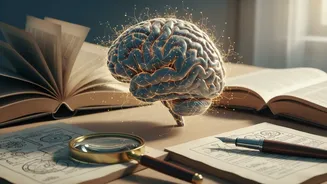
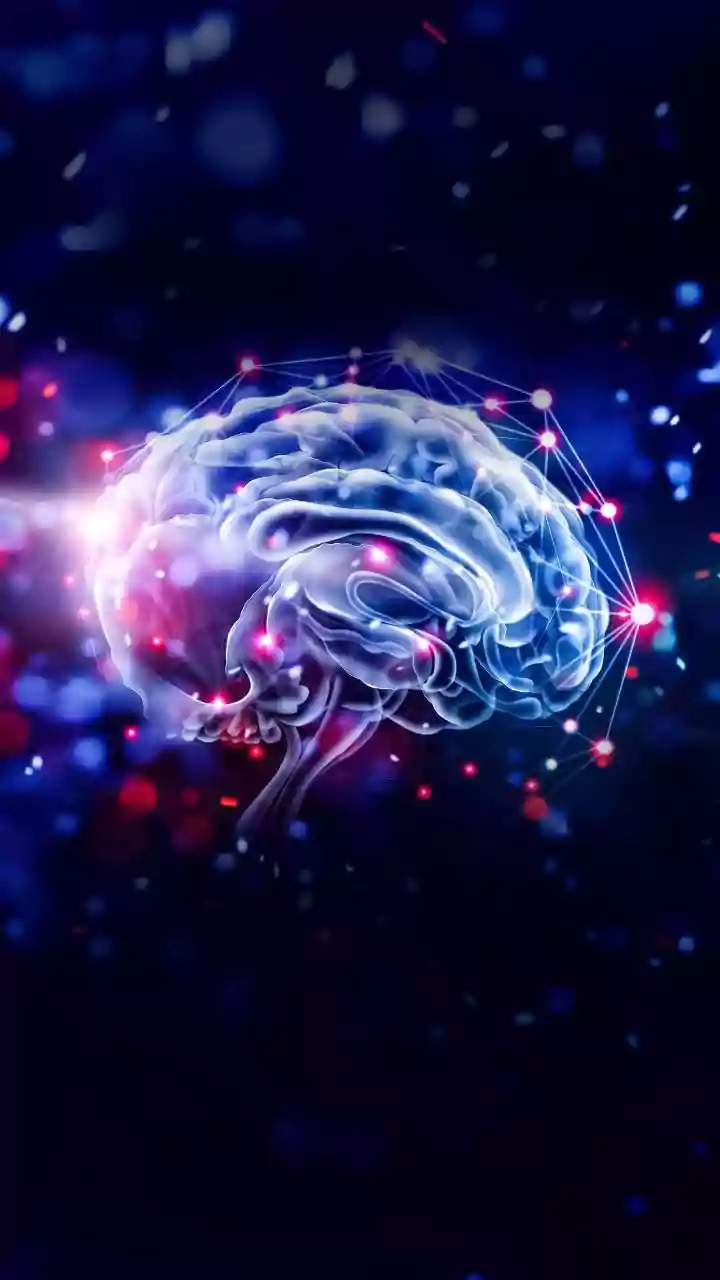
For a long time, it was believed that the brain's structure was largely fixed after childhood. We now know this isn't true. Our brains have a remarkable quality called neuroplasticity, which is the ability to form new connections and adapt throughout
our entire lives. Every time you learn something new, whether it's a recipe, a card game, or a few words in a different language, you are encouraging your brain to create fresh neural pathways. Think of it like building new roads in a city; the more routes you have, the more efficiently traffic can move. This process keeps your mind active and resilient. Engaging in new and challenging activities stimulates the growth of these connections, making your brain more adaptable.
Building Your 'Cognitive Reserve'
One of the most significant benefits of continuous learning is the development of 'cognitive reserve'. Think of it as a mental backup system or a savings account for your brain. This reserve is the brain's ability to cope with challenges and find alternate ways of getting a job done, even when faced with age-related changes. A lifetime of education and mentally engaging activities helps build up this reserve. Studies show that people with a higher cognitive reserve may be able to tolerate more changes in the brain before they start showing any symptoms of cognitive decline. Essentially, by keeping your mind active, you're building a buffer that may help protect your cognitive functions for longer.
What Kind of Learning Works Best?
While any mental stimulation is good, some activities are more effective than others. The key is to choose activities that are both new and mentally challenging. Simply repeating a skill you've already mastered won't provide the same benefits as tackling something completely unfamiliar. The effort involved in learning something new forces your brain to work in different ways and build those valuable new connections. Activities like learning a musical instrument, taking up a new language, trying a complex craft, or even learning how to use new technology are excellent choices. These types of hobbies require multiple cognitive abilities, such as memory, problem-solving, and coordination, giving your brain a thorough workout.
Practical Ways to Start Learning Today
You don't need to enrol in a formal university course to reap the benefits of lifelong learning. Opportunities are all around us. Consider joining a local club for a hobby like photography or gardening. Online platforms offer countless courses on everything from history to coding, often for free or at a low cost. Learning to play a musical instrument like the harmonium or tabla can be a wonderful challenge. Even simple, enjoyable activities like doing crossword puzzles, Sudoku, or playing strategy games contribute to your cognitive health. The most important thing is to choose something that genuinely interests you, as this will help you stay motivated and engaged over the long term.
Beyond the Brain: Social and Emotional Perks
The advantages of learning in later life extend beyond cognitive health. Acquiring a new skill brings a powerful sense of accomplishment and can significantly boost your confidence and self-esteem. This positive feeling can help combat feelings of anxiety and depression. Furthermore, many learning activities are social in nature. Joining a class, a book club, or a community group helps you stay socially connected, which is crucial for emotional well-being and fighting loneliness. This combination of mental stimulation and social engagement creates a holistic approach to healthy aging, improving not just your brain function but your overall quality of life.