


A Galaxy Suddenly Lights Up
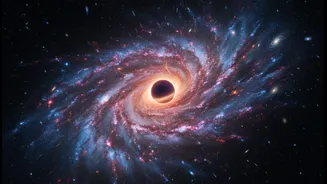
Deep in the Virgo constellation, about 300 million light-years away, lies a galaxy known as SDSS1335+0728. For years, it was just another unremarkable galaxy on the cosmic map. But in late 2019, that changed dramatically. The Zwicky Transient Facility,
a robotic observatory that scans the night sky for changes, detected a significant and sudden brightening at the galaxy's core. Instead of a brief flash, the galaxy has continued to grow brighter for more than four years. This sustained surge in luminosity across ultraviolet, optical, and infrared wavelengths—and more recently, X-rays—is unlike anything astronomers have seen before, presenting a fascinating puzzle.
What Makes This Event So Unusual?
Galaxies can light up for several reasons. A star exploding in a supernova can cause a temporary flare, as can a tidal disruption event (TDE), which occurs when a star wanders too close to a supermassive black hole and gets shredded by its immense gravity. However, these cosmic light shows are relatively fleeting, typically lasting for a few dozen to a few hundred days before they fade away. The phenomenon at SDSS1335+0728 is different. Its continuous brightening over several years suggests something far more fundamental is at play. The sheer duration has allowed astronomers to rule out a typical supernova or TDE, forcing them to consider a more profound and long-lasting cause for this galactic transformation.
The Prime Suspect: A Waking Giant
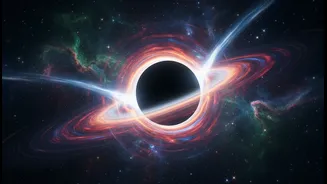
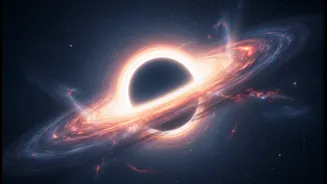
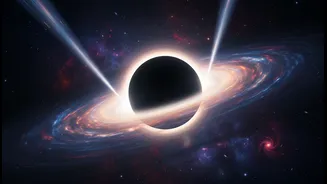
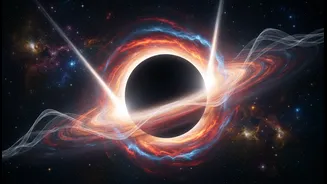
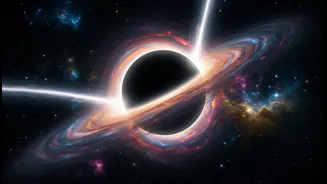
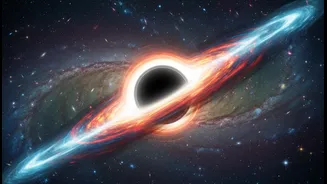
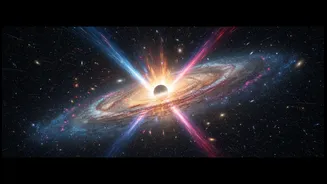
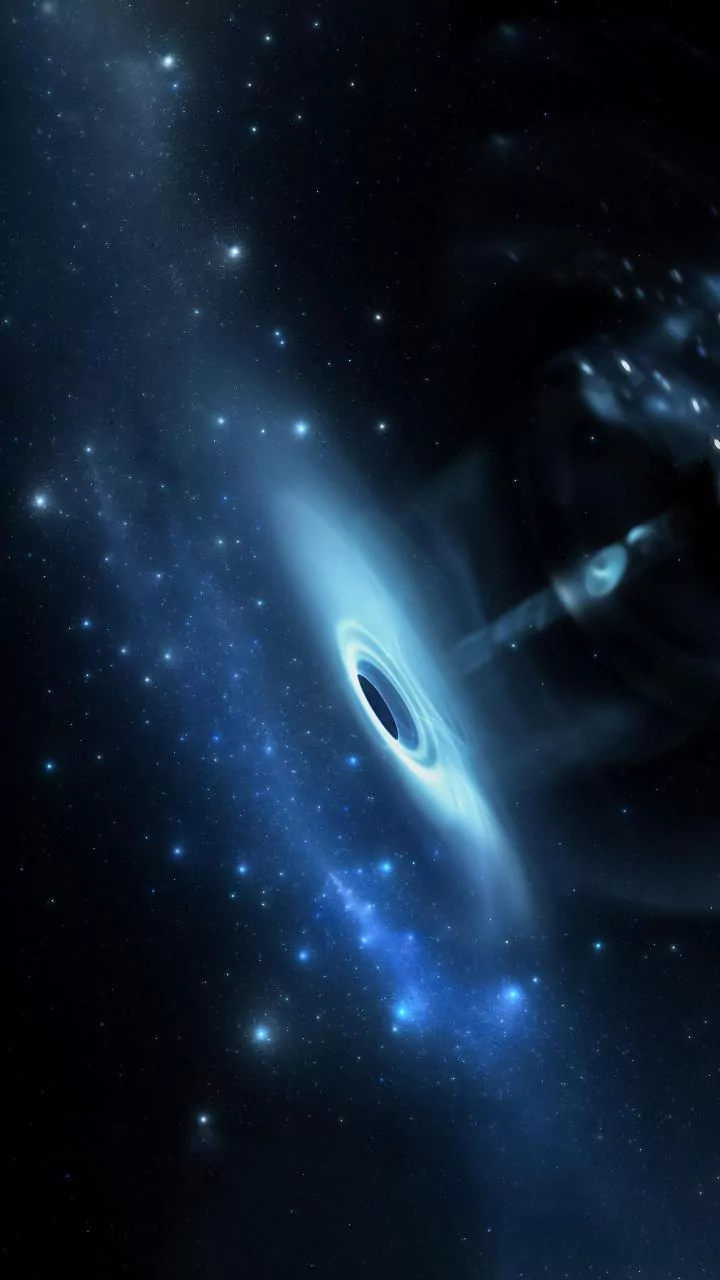
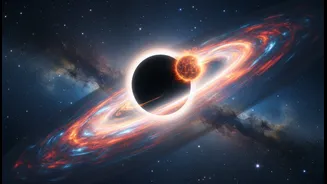
The leading explanation is that we are witnessing the 'awakening' of the supermassive black hole at the galaxy's heart. Most large galaxies, including our own Milky Way, have these cosmic monsters at their centres. Usually, they are dormant, or 'sleeping', and therefore invisible. But if a large supply of gas and dust falls into the black hole, it can roar to life. The material forms a swirling, superheated disc around the black hole called an active galactic nucleus (AGN), which blazes with incredible brightness. Scientists believe this is what is happening with SDSS1335+0728—the black hole, estimated to be about a million times the mass of our sun, has started feasting on surrounding material, effectively 'turning on' before our very eyes.
A Cosmic Detective Story
While a waking black hole is the most compelling theory, the scientific community isn't ready to close the case just yet. This is where the debate begins. Some astronomers suggest this could be an extremely unusual and slow-moving TDE, one that behaves differently from any previously observed. It might be a new type of stellar death we've never encountered. The key to solving the mystery lies in continued observation. Scientists are closely monitoring SDSS1335+0728 across all wavelengths of light. By tracking how its brightness and energy output evolve over the coming months and years, they hope to confirm whether this is indeed the birth of an AGN or another, even stranger cosmic event.
Rewriting the Story of Galaxies
Regardless of the final verdict, this event is a landmark discovery. It's the first time astronomers have caught this process of activation in real-time. Usually, they only see galaxies that are already active or long dormant. Observing the transition provides an unprecedented opportunity to understand the life cycles of galaxies. The switching on and off of a central black hole can have a profound impact on its host galaxy, influencing everything from star formation to the galaxy's ultimate fate. Watching it happen offers a rare, real-world laboratory to test and refine our theories about how these fundamental cosmic engines work and shape the universe around them.