








From Next-Day to Ten Minutes
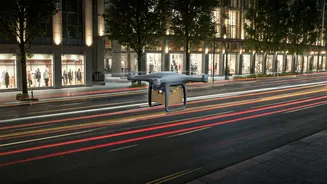
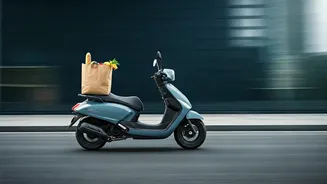
The very definition of ‘fast’ delivery has been radically compressed. What started with e-commerce giants like Amazon and Flipkart making next-day or same-day delivery a benchmark has evolved at a dizzying pace. [21] Quick commerce, or q-commerce, has shattered
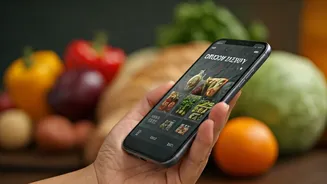
that timeline, promising groceries, electronics, and daily essentials at your doorstep in as little as 10 to 30 minutes. [15, 23] This isn't just an incremental improvement; it's a fundamental rewiring of consumer expectations, shifting shopping habits from a planned activity to an impulsive, on-demand behaviour. [2, 21] In 2026, India's quick commerce market is valued at nearly $7 billion, serving almost 48 million users who have embraced the “I need it now” mindset. [2]
The Engine: Rise of the Dark Store
The magic behind this ultra-fast delivery isn't magic at all; it's a meticulously designed logistics model built around 'dark stores'. [25, 27] These are not retail shops for customers to visit but small, hyperlocal warehouses or micro-fulfilment centres packed with the most frequently ordered items in a neighbourhood. [27, 30] Using AI to predict local demand—more bread and eggs on a Saturday morning, or more energy drinks near a college during exams—companies can stock these facilities with exactly what’s needed. [20, 27] When an order is placed, an optimized system directs a picker to grab the items, and a nearby delivery partner is dispatched, making the 10-minute promise a reality. [25] However, this model is facing growing regulatory scrutiny, with questions about whether these operations comply with India's FDI rules for e-commerce. [16]
The Titans of Quick Commerce
The battle for India's instant delivery market is a fierce three-way race. Blinkit (owned by Zomato), Zepto, and Swiggy Instamart are the dominant forces, collectively commanding over 80% of the market. [6, 12] As of early 2026, Blinkit holds the lead with a market share hovering around 46%. [2, 14] Zepto and Swiggy's Instamart are in a close fight for the second spot. [12, 14] These companies are no longer just delivering groceries; they have expanded their catalogues to include everything from beauty products and small electronics to toys and gifts, constantly pushing to capture a larger share of the urban consumer's wallet. [10, 27] The competition is intense, with each company spending heavily on expanding their dark store networks to increase their reach and speed. [26]
The Cost of Convenience
This new habit comes with complex trade-offs. For India's vast network of traditional kirana stores, the rise of q-commerce is an existential threat. These small, family-owned shops, which have long been the backbone of Indian retail, struggle to compete with the deep discounts and breakneck speed of venture-funded apps. [4, 11] Reports suggest that hundreds of thousands of kirana stores have already closed down, unable to keep up with the changing consumer behaviour. [4, 10, 27] Simultaneously, the model places immense pressure on its legion of gig workers. While providing employment to many, delivery partners often face low pay, long hours, and a lack of social security benefits, all while chasing demanding delivery deadlines. [3, 8, 9] This has led to protests and strikes, highlighting the human cost behind the push for instant gratification. [3, 19, 22]
A Habit That’s Here to Stay?
Despite the challenges, quick commerce has fundamentally embedded itself in the fabric of urban Indian life. Its growth is projected to continue at a blistering pace, with some estimates suggesting the market could reach between $60-83 billion by 2030. [26] The platforms are driving a fivefold increase in e-grocery penetration since their launch. [18] However, the path forward is not without hurdles. Profitability remains elusive for most, as companies continue to burn cash on customer acquisition and expansion. [26] The industry also faces operational pressures like gig worker shortages and increasing regulatory oversight over dark store hygiene and labour practices. [3, 28] The future of the sector will likely involve a push towards consolidating market share, improving unit economics, and finding a more sustainable balance between speed, cost, and ethical responsibility. [8]