







The Grand Vision: More Than Just Airports
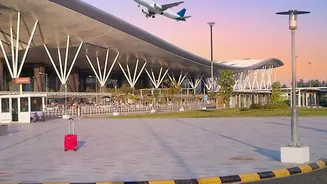
The government's plan to develop 100 new airports by 2036 is part of the Modified UDAN scheme, which stands for 'Ude Desh ka Aam Naagrik' (Let the Common Citizen of the Country Fly). This isn't just about constructing new buildings; it's a strategic push
to take air travel to the country's Tier-2 and Tier-3 cities, remote regions, and island territories. With an investment of approximately ₹30,000 crore, the initiative aims to build on the significant growth already seen in India's aviation infrastructure, which has more than doubled from 74 airports in 2014 to 166 today. The Modified UDAN scheme, approved in March 2026 for a ten-year period, has a total outlay of ₹28,840 crore to support this next phase of expansion. The goal is to make flying a viable option for more Indians, especially those in areas where a trip to the nearest major airport can be a long journey in itself.
The Ripple Effect on Local Economies
Developing airports in smaller towns is expected to create a powerful economic ripple effect. Enhanced connectivity is a proven catalyst for economic growth, boosting trade, commerce, and tourism in previously underserved regions. By opening up previously hard-to-reach destinations, the scheme is expected to fuel a surge in tourism, contributing directly to local economies and creating jobs. This improved access makes it easier for businesses to operate, fosters local entrepreneurship, and encourages investment. The government sees regional aviation as a key driver for balanced national development, stimulating economic activity far beyond the airport terminals themselves.
For the Passenger: New Routes, Better Connections
For the average traveler, the most significant impact will be the expansion of the route map. The UDAN scheme is designed to connect unserved and underserved airports, creating new direct flights and making air travel more accessible and affordable. This democratisation of air travel means people from more diverse socioeconomic backgrounds can fly. To make these connections even more seamless, India is also expanding its 'hub-and-spoke' model. This system allows passengers from smaller, regional airports to connect through major hubs like Delhi, Varanasi, and Ahmedabad for onward domestic or international journeys, often with the convenience of checking baggage through to the final destination.
Challenges on the Tarmac
Despite the ambitious vision, the path to 100 new airports is not without its challenges. A key concern is the commercial viability of routes in the long term. Many regional routes may not generate enough passenger traffic to be profitable for airlines without government subsidies, known as Viability Gap Funding (VGF). There's a risk that some new airports could remain underutilised if they fail to attract sufficient flights. Past experience with the UDAN scheme has shown that some routes have been discontinued due to weak passenger demand, aircraft shortages, and other operational issues. Ensuring these new airports are not just built but are sustainably operated will be crucial for the plan's ultimate success.
Reshaping India's Travel Landscape
Ultimately, the development of 100 new airports is about more than just aviation statistics; it's about fundamentally reshaping India's economic and social geography. By linking remote areas and smaller cities to the national grid, the plan aims to foster more inclusive growth and spread opportunities beyond the major metropolitan centres. This massive infrastructure push, coupled with the rising disposable income of a growing middle class, is set to double the number of domestic air passengers in the coming years. If successful, the initiative will not only make domestic travel faster and more convenient but will also unlock the economic potential of countless towns and regions across the country, creating a new, more connected India.