




Winter's Crimson Jewel: The Persimmon
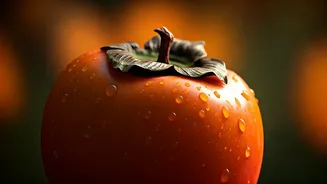
Often mistaken for a tomato, the persimmon is a vibrant, orange-red fruit that ripens in late autumn and graces our markets through the winter. Known locally in parts of India as 'Ramphal' or 'Japani Phal', this sweet, honey-like fruit is a powerhouse
of essential winter nutrients. Originally from Asia, persimmons are now cultivated in the hilly regions of Himachal Pradesh, Uttarakhand, and Jammu and Kashmir, making them a unique seasonal delight for Indian households. There are two common types: the squat, apple-like Fuyu, which can be eaten firm, and the acorn-shaped Hachiya, which is best enjoyed when it becomes incredibly soft and jelly-like.
A Shield Against Winter Sickness
Winter often means being more susceptible to colds and flu. The persimmon serves as a formidable line of defence. It is loaded with Vitamin C, a crucial antioxidant for immune health. A single persimmon can provide a significant portion of your daily Vitamin C needs, which helps stimulate the production of white blood cells—your body's primary defence against bacterial and viral infections. Beyond Vitamin C, persimmons contain other powerful antioxidants like flavonoids and carotenoids, which help reduce inflammation and protect your cells from damage, further strengthening your body's ability to stay healthy during the colder months.
Your Natural Winter Glow-Up
The dry, cold winter air can be harsh on your skin, leaving it dull and dehydrated. Persimmons offer a natural solution to maintain a healthy glow. They are exceptionally rich in Vitamin A and beta-carotene, nutrients essential for skin health and cell regeneration. Vitamin A helps protect your skin and keep it hydrated. The antioxidants in the fruit also fight oxidative stress, which can slow down the process of wrinkle formation and help protect your skin from environmental damage, keeping it looking bright and youthful.
Fuel for the Colder Months
Feeling sluggish is a common complaint during winter. Persimmons provide a natural and healthy energy boost. They are a good source of natural sugars and dietary fibre. This combination offers a quick source of energy without the unhealthy spike and crash associated with processed sweets. The fibre content also aids in digestion and helps you feel full for longer, which can prevent overeating and support weight management during a season when we tend to gravitate towards heavier meals. Furthermore, they are a good source of minerals like potassium, which helps regulate blood pressure and supports heart health.
How to Pick and Enjoy Persimmons
Getting the best out of persimmons means knowing how to choose and eat them. For the Fuyu variety, look for firm, smooth-skinned fruits and slice them up like an apple to eat raw in salads or on their own. Their skin is edible, so just give them a good wash. For the Hachiya variety, patience is key. You must wait until they are extremely soft, almost like a water balloon. Once ripe, you can cut off the top and scoop out the sweet, custardy pulp with a spoon. An unripe Hachiya is intensely bitter and astringent due to high levels of tannins, so make sure it's fully ripened before you dig in.