


Prioritise Skin and Coat Health
The constant dampness during monsoon is a major cause of skin problems in pets. Trapped moisture in a pet's coat, especially for long-haired breeds, creates a breeding ground for bacteria and fungi, leading to issues like hot spots (acute moist dermatitis),
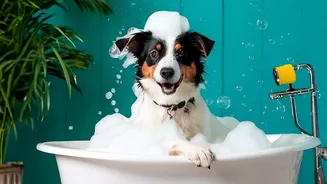
fungal infections, and incessant itching. To prevent this, ensure your pet is thoroughly dried after every walk or exposure to rain. Use an absorbent towel, paying special attention to their paws, underbelly, skin folds, and ears. Brushing your pet's coat daily helps remove dirt and prevents matting, which can trap moisture. Consider keeping their coat trimmed shorter during this season to improve airflow and allow the skin to dry faster.
Master the Post-Walk Paw-Wash
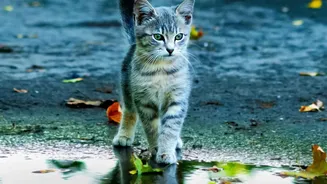
Paws are on the frontline during the monsoon, constantly exposed to muddy, waterlogged streets that may be contaminated. This can lead to paw infections, often seen as redness, swelling, or persistent licking between the toes. It is non-negotiable to clean and dry your pet’s paws after every single walk. Use a damp cloth or lukewarm water to wipe away mud and potential germs before they are licked off. After cleaning, dry the paws completely, especially between the toes, to prevent fungal growth. It is also a good time to inspect their paw pads for any cuts or irritation.
Guard Against Parasites and Pests
The warm, humid weather of the Indian monsoon is the ideal breeding season for fleas, ticks, and mosquitoes. These pests are not just a nuisance; they can transmit serious diseases like tick fever, and mosquitoes can carry heartworm. It is crucial to continue with your vet-recommended flea and tick prevention schedule. Options include monthly oral chewables, topical spot-on treatments, or medicated collars. Also, reduce mosquito exposure by eliminating any stagnant water around your home where they might breed.
Focus on Food and Water Safety
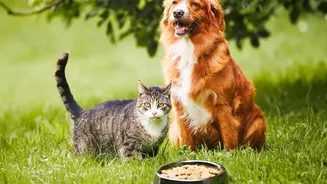
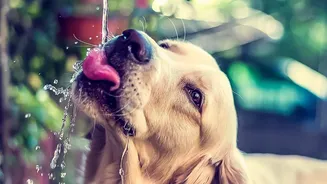
Gastrointestinal infections are common during the rains, often caused by pets drinking from contaminated puddles or eating spoiled food. Stagnant water can contain harmful bacteria like Leptospira and parasites like Giardia, which can cause severe illness and are sometimes transmissible to humans. Always provide fresh, clean drinking water for your pet, and consider boiling it if your supply is unreliable. Store dry pet food in an airtight container to protect it from humidity, which can cause it to become mouldy and toxic.
Manage Thunderstorm Anxiety
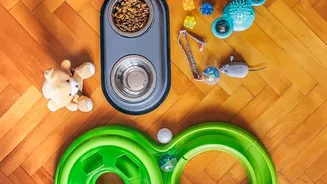
Loud thunder and flashing lightning can be terrifying for many pets, causing them to pant, pace, hide, or become destructive. You can help manage their fear by creating a safe, comfortable den-like space away from windows. This could be a crate covered with a blanket or a quiet room. Playing calming music, white noise from a fan, or turning on the television can help muffle the sound of the storm. Acting calm yourself is also important, as pets often pick up on their owner's anxiety. Distracting them with a favourite toy or a treat-filled puzzle can also create a positive association with the noise.
Keep Up With Vaccinations and Vet Visits
The monsoon increases the risk of several infectious diseases, making it vital to ensure your pet's vaccinations are up to date. A pre-monsoon check-up with your veterinarian is a wise step to confirm their vaccination status, especially for diseases like Leptospirosis, which sees a spike this season. Regular deworming is also essential to prevent internal parasites. Stay vigilant for any signs of illness like lethargy, loss of appetite, vomiting, or diarrhoea, and consult your vet immediately if you notice anything unusual.