
The Psychology of a Green Start
Embarking on a new hobby can be intimidating, and gardening is no exception. The fear of failure—of accidentally killing a plant you were meant to nurture—is a major hurdle for many would-be plant parents. This is precisely why starting with low-maintenance
houseplants is so important. Success, even on a small scale, is a powerful motivator. When you see your first plant not just survive, but thrive with minimal effort, it builds a foundation of confidence. This positive feedback loop is crucial. It transforms the experience from a stressful chore into a rewarding activity, encouraging you to learn more and perhaps try a slightly more demanding plant next time. Tending to plants can also reduce stress and improve your mood, but those benefits are hard to reap if the plant itself is a source of anxiety. By choosing resilient beginners, you set yourself up for a win, making the journey into gardening one of joy and accomplishment from the very beginning.
What Makes a Plant 'Easy'?
When a plant is labelled 'low-maintenance' or 'beginner-friendly', it typically means it has a few key traits that make it incredibly forgiving. Firstly, they are often drought-tolerant, meaning they can handle infrequent or inconsistent watering. Many of these plants store water in their leaves, stems, or roots, so they won't protest if you forget to water them for a couple of weeks. Secondly, they are adaptable to a wide range of light conditions. While every plant needs some light, these hardy varieties can often tolerate the lower-light corners of a typical home where other plants might struggle. Finally, they tend to be less susceptible to common pests and diseases. This resilience removes a layer of complexity for beginners, allowing them to focus on the basics of light and water without worrying about mysterious spots or unwelcome insects.
Your First Green Friend: The Snake Plant
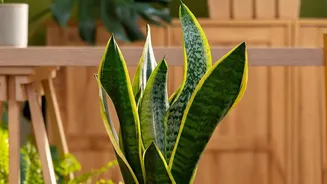
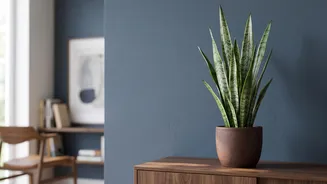
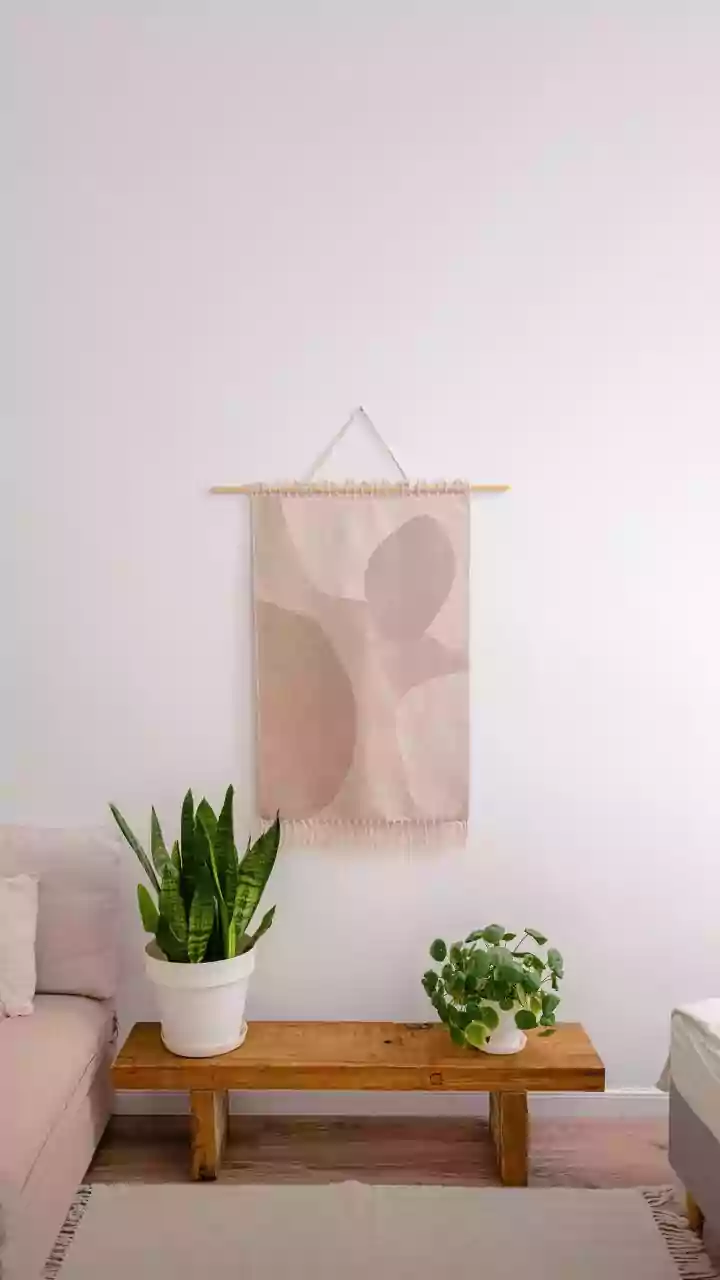
If you could only choose one plant to start with, the Snake Plant (Dracaena trifasciata, formerly Sansevieria) would be a top contender. Often called 'unkillable', this plant is the definition of tough love. Its striking, upright leaves make a modern statement in any room, and its care requirements are famously minimal. Snake plants are succulents that store water in their leaves, so they are extremely drought-tolerant and prefer their soil to dry out completely between waterings. In fact, the most common way to kill one is by overwatering. They also tolerate low light exceptionally well, making them perfect for bedrooms or hallways that don't get a lot of sun. For a beginner, the Snake Plant offers maximum visual impact with minimum fuss, making it an ideal confidence booster.
The Ever-Popular Money Plant
A staple in many Indian households, the Money Plant (Epipremnum aureum), also known as Pothos, is beloved for good reason. This fast-growing vine is incredibly versatile and resilient. It tells you what it needs; its leaves will start to droop slightly when it's thirsty, bouncing back quickly after a good drink. Pothos is adaptable to various light levels, thriving in bright, indirect light but also tolerating lower light conditions. Its trailing vines can be left to cascade down a shelf or trained to climb, adding a lush, dynamic feel to your space. It’s also incredibly easy to propagate; simply snip a piece of stem with a few leaves and place it in a jar of water, and it will soon grow roots, giving you new plants to expand your collection or share with friends.
The Indestructible ZZ Plant
The ZZ Plant (Zamioculcas zamiifolia) is another champion of neglect and a perfect choice for the forgetful or frequently travelling plant owner. With its wide, glossy, dark green leaves, it looks almost artificial in its perfection. Originally from Eastern Africa, it's built to withstand drought, thanks to its large, potato-like rhizomes that store water underground. This means you can often go weeks between waterings without any issue. Like the Snake Plant, the ZZ plant is also highly tolerant of low light conditions, though it grows best in bright, indirect light. Its ability to thrive with very little attention makes it an almost foolproof option for anyone nervous about their gardening abilities.