



The Danger of the First Rain
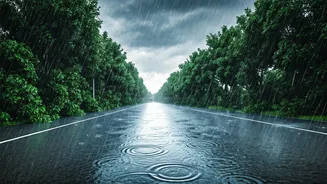
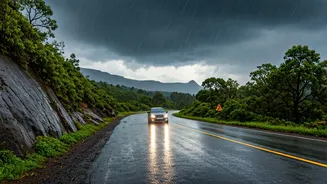
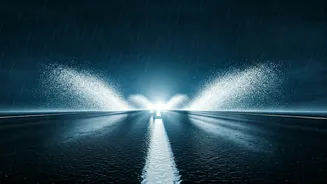
While we may associate heavy downpours with the greatest danger, it’s often the very first rains after a long dry spell that are the most perilous. During dry months, engine oil, grease, dust, and other debris accumulate on the tarmac. When the first drops
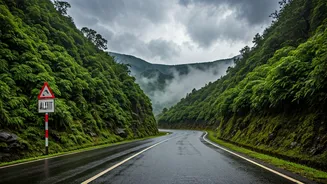
of rain fall, they don't wash these substances away; instead, they mix with them, creating a slick, invisible film that drastically reduces tyre friction. This greasy emulsion makes the road surface incredibly slippery, almost like a thin layer of lubricant, significantly increasing the risk of skidding, especially when braking or turning. Drivers, accustomed to dry-road grip, can be caught off guard. It takes time for heavier rains to clean the road surface, which is why exercising extreme caution during the initial showers of the season is non-negotiable.
Your Pre-Drive Safety Check
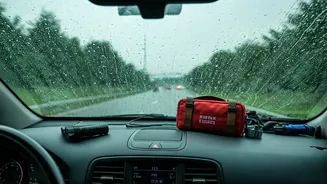
Common sense on the road begins before you even turn the key. A few simple vehicle checks can make the difference between a safe journey and a crisis. First, inspect your tyres. They are your only point of contact with the road. For monsoon driving, experts recommend a tread depth of at least 3mm to effectively channel water away and prevent skidding. Also, ensure they are inflated to the manufacturer's recommended pressure. Second, check your wiper blades. Heat and dust degrade the rubber, and worn wipers will only smear water across the windscreen, obstructing your view when you need it most. They should be replaced annually. Finally, test your brakes. Wet brake pads and discs can significantly increase your stopping distance. If your brakes already feel spongy or worn, getting them serviced before the monsoon is critical.
Mastering the Wet Road
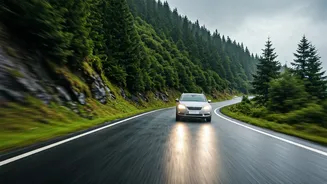
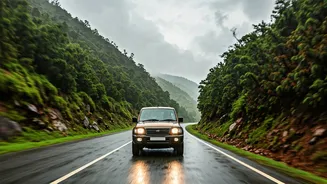
Once you are on the move, adjusting your driving style is paramount. The single most important change is to reduce your speed. Slower speeds give your tyres more time to displace water and give you more time to react. The 'three-second rule' for following distance in the dry should be doubled to at least six seconds in the rain. This extra gap is your safety buffer, as braking distances are severely compromised on wet surfaces. Make yourself visible by switching on your low-beam headlights, even during the day. This helps other drivers see you through the spray and gloom. Avoid using high beams, as they can reflect off the rain and dazzle oncoming traffic. All your movements—braking, steering, and accelerating—should be gentle and deliberate to avoid breaking traction.
The Invisible Threat of Hydroplaning
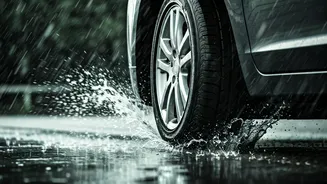
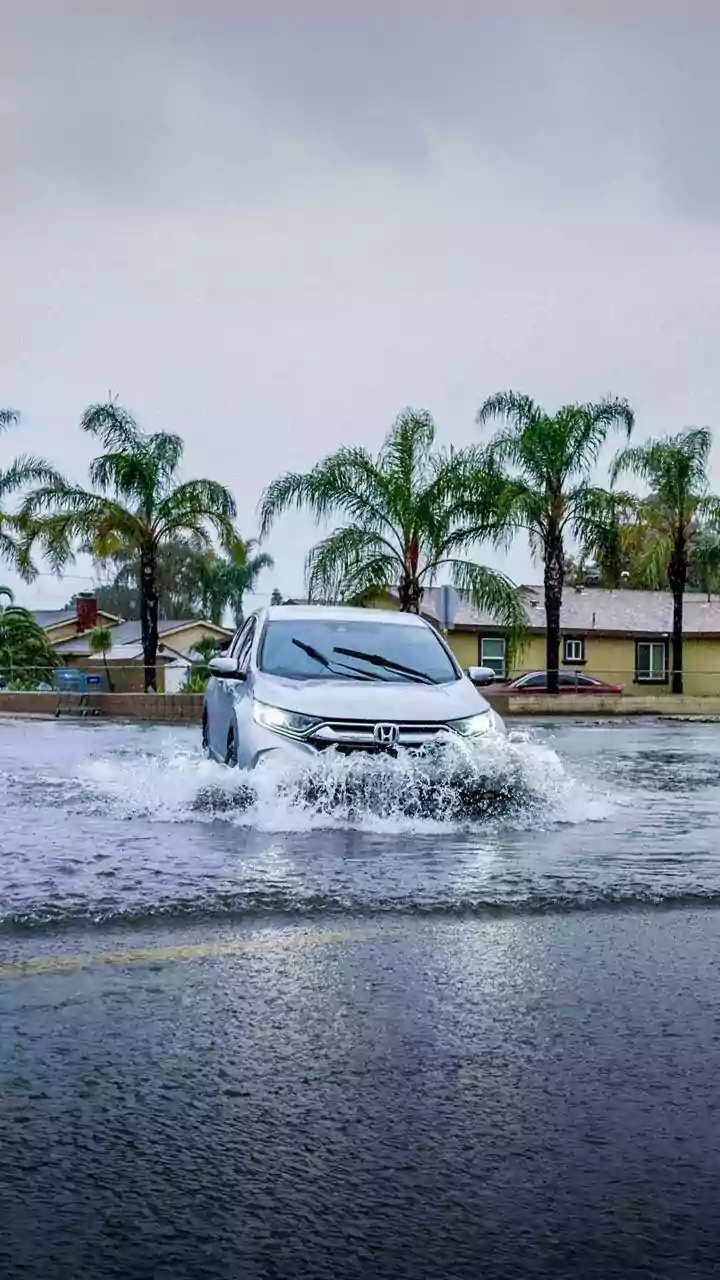
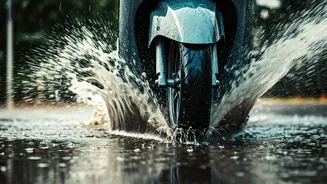
One of the most frightening experiences on a wet road is hydroplaning, also known as aquaplaning. This happens when your tyres encounter more water than they can scatter, causing them to ride up on a thin film of water. When this occurs, you temporarily lose all steering and braking control because the tyres are no longer in contact with the road. It can happen in just a fraction of a second, often at speeds above 70 km/h or when hitting a puddle. If you feel the steering suddenly go light and the car start to float, do not panic and do not slam on the brakes. Instead, ease your foot off the accelerator gently and keep the steering wheel pointed straight in the direction you want to go. As the car slows, the tyres will regain contact with the road, and you will feel control return.
Patience Is Your Best Co-Pilot
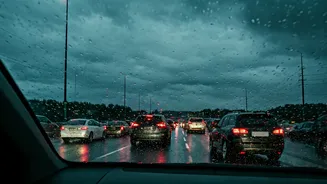
Beyond mechanical checks and driving techniques, the most vital tools are patience and foresight. Rainy conditions mean traffic jams are more likely, so plan your journey and leave earlier than usual. It’s better to arrive late than not at all. Be extra considerate of two-wheelers and pedestrians, who are more exposed and harder to see. Avoid driving through large puddles or waterlogged streets. You can never be sure of their depth or what hazards, like open manholes or deep potholes, may be hidden beneath the surface. If visibility becomes so poor that you can't see the edges of the road or other vehicles clearly, find a safe place to pull over completely off the road and wait for the downpour to ease. Using your time and common sense means recognising when the safest decision is to not be on the road at all.