

Every Diwali, homes in Maharashtra fill with the aroma of a unique assortment of snacks called 'Faral'. Now, this cherished regional tradition is crossing state lines, finding its way into pantries and hearts across India. What's behind this shift?
The Soul of a Maharashtrian Diwali
For
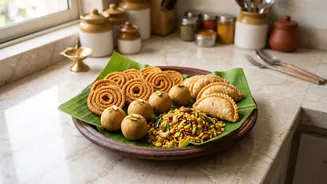
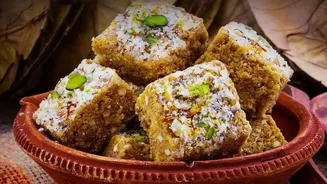
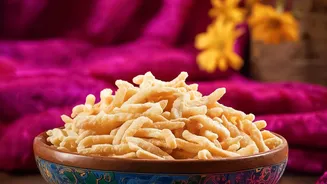
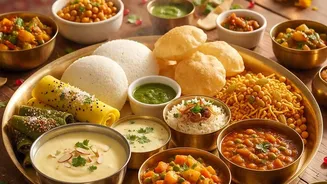
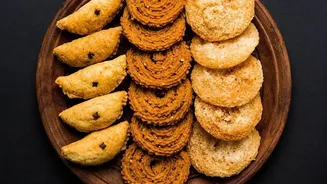
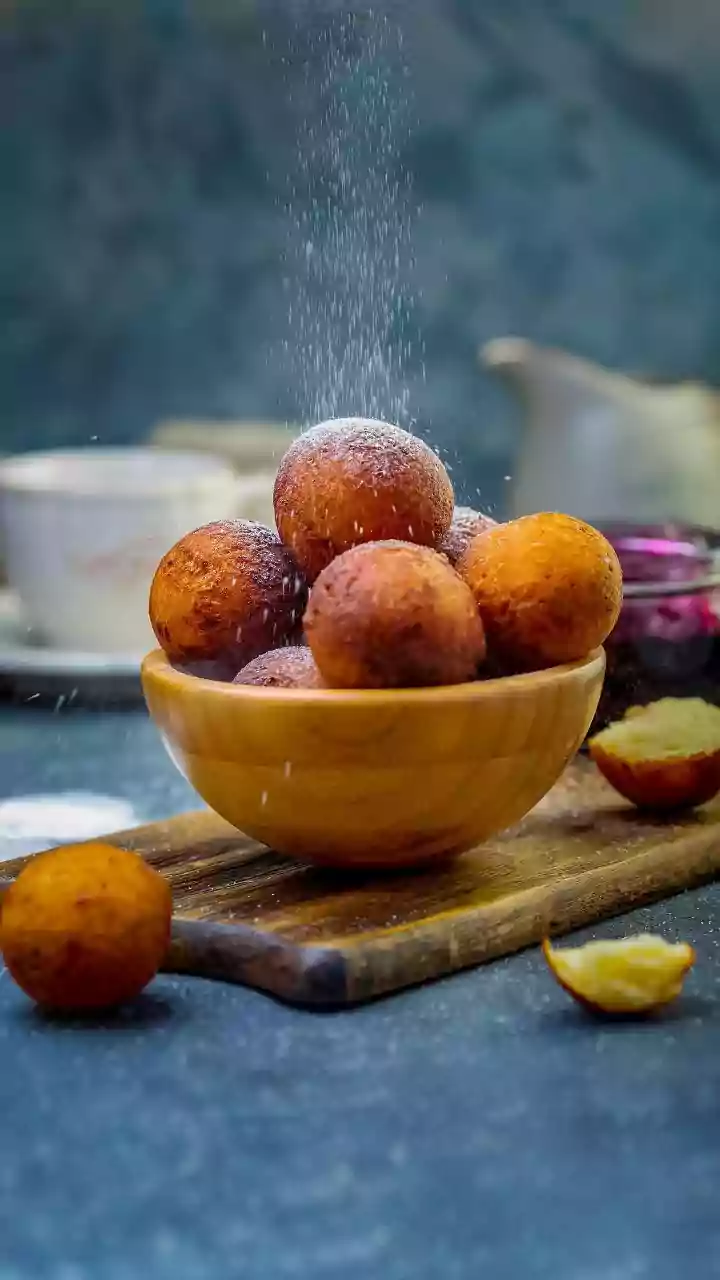
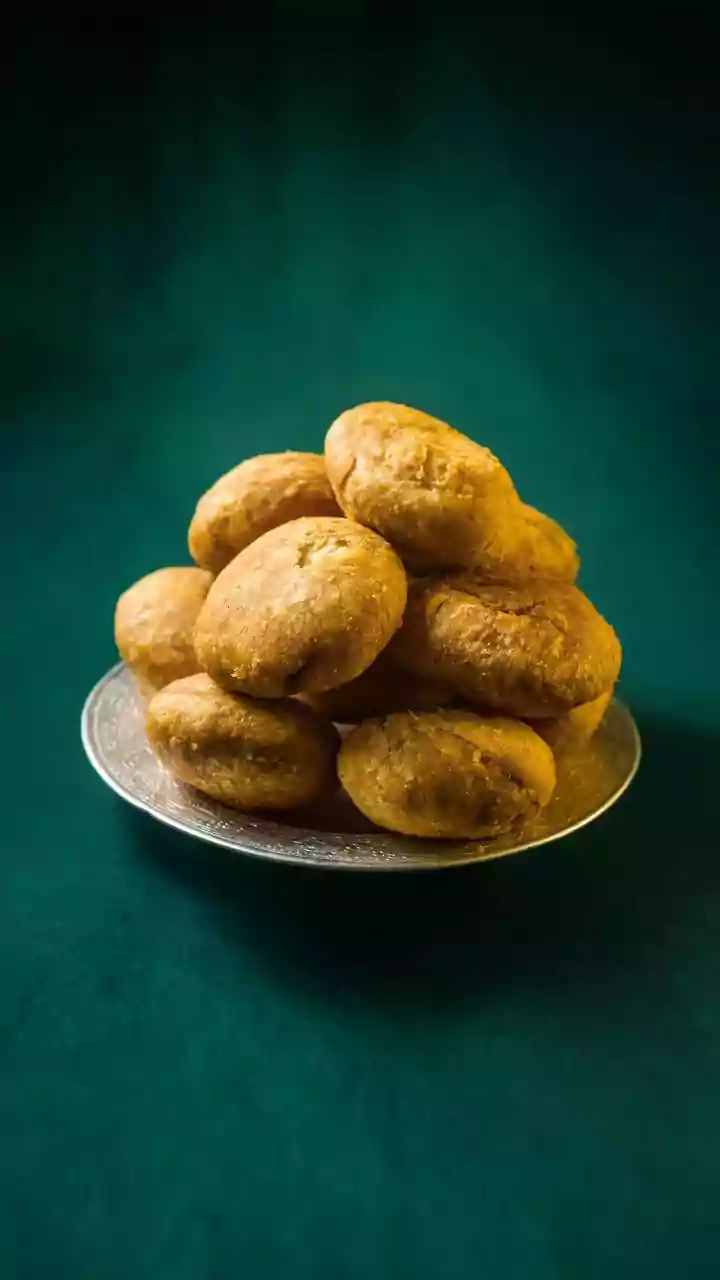
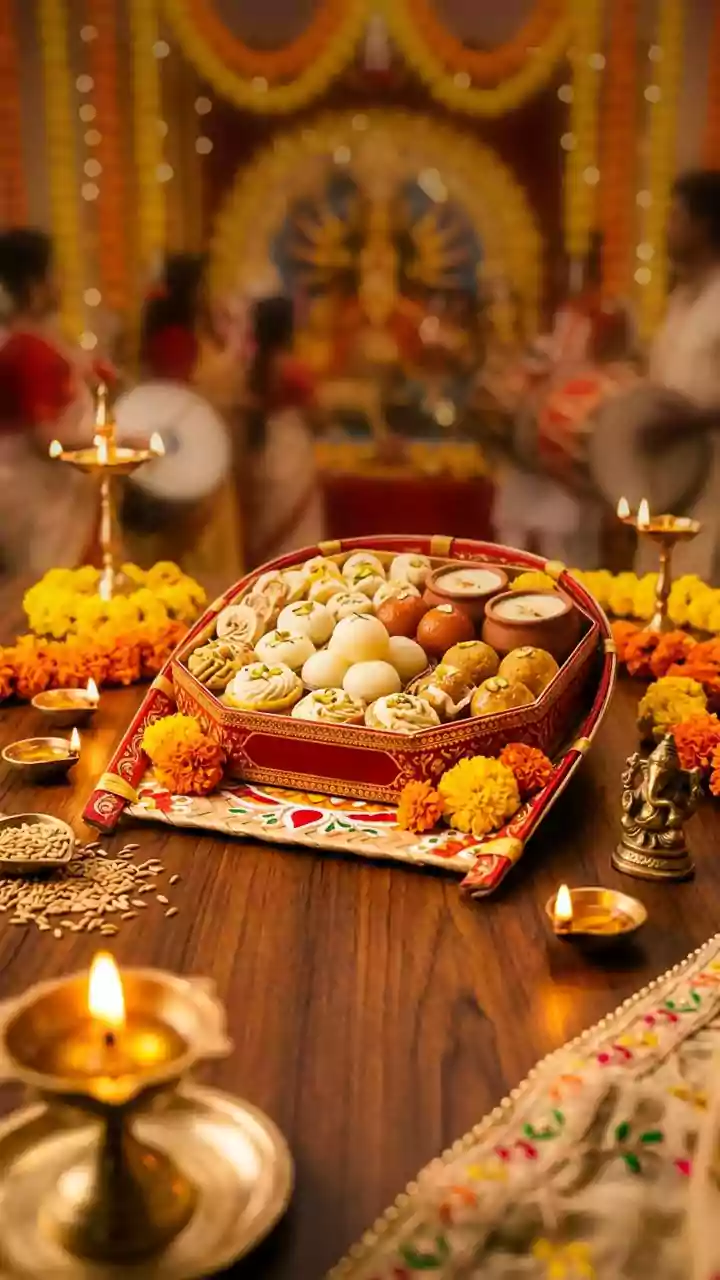
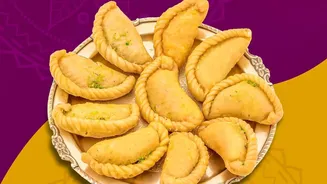
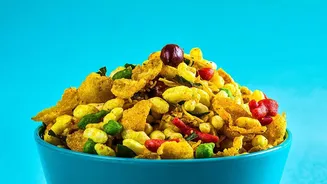
generations, 'Faral' has been an indispensable part of Diwali celebrations in Maharashtra. It’s not a single dish, but a diverse collection of sweet and savoury snacks prepared in large batches before the festival begins. The assortment typically includes crispy, spiral-shaped 'Chakli', diamond-cut sweet or salty 'Shankarpali', flaky crescent-shaped 'Karanji' stuffed with coconut, and a variety of ladoos made from besan or rava. Another staple is 'Poha Chivda', a savoury mix of flattened rice, nuts, and spices. The tradition involves families gathering to prepare these items, which are then shared with visiting friends and neighbours throughout the festival, symbolising hospitality and community. Because these snacks have a long shelf life, they are perfect for the extended celebrations.
From Kitchen Tradition to E-Commerce Sensation
What was once a hyper-local custom is now a national trend. The journey of Faral from Maharashtrian homes to a pan-India phenomenon is largely powered by digital platforms. E-commerce sites and specialised online stores have made it possible for anyone, anywhere in the country, to order authentic, homemade-style Faral. Brands like Patil Kaki, Sapre Foods, and Navaratna Foods are among those shipping traditional snacks, including Bhajani Chakli, Puranpoli, and various ladoos, directly to customers nationwide. This digital shift allows people who have moved away from Maharashtra to reconnect with the tastes of home, while introducing these unique flavours to a brand new audience eager for authentic culinary experiences.
A Nationwide Craving for Authenticity
The rise of Faral is part of a larger story about India's changing palate. Consumers across the country are increasingly choosing traditional, regional snacks over mass-produced Western alternatives like potato chips. A 2023 study found that 61% of Indians prefer homegrown snacks, with a strong affinity for traditional and cultural roots. This trend is driven by a desire for authentic flavours and, in some cases, healthier options. During the 2023-24 financial year, sales of traditional Indian snacks like namkeen and bhujia matched those of their Western counterparts, a significant market shift. Experts note that regional players are expanding their reach, reversing a trend where large corporations once dominated the snack market.
More Than Just a Snack
The growing popularity of Maharashtrian Faral speaks to a deeper cultural shift. As India becomes more digitally connected, regional barriers are dissolving. Technology is not just delivering food; it's delivering culture and nostalgia in a box. For many non-resident Indians and those living in other states, ordering Faral online is a way to participate in cherished traditions and create a 'taste of home', especially during festivals. This trend empowers smallndscale producers and home chefs, giving them a national platform and allowing traditional economies to thrive in a digital age. The success of Faral highlights a modern India that is simultaneously embracing technology while reconnecting with its diverse culinary heritage.