



A World Washed Anew
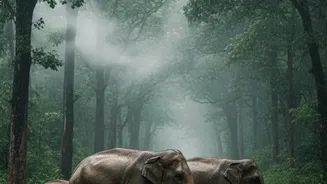
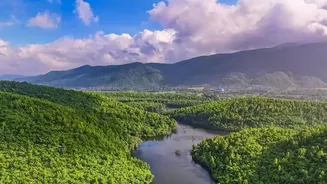
The most immediate effect of the monsoon's departure is the remarkable clarity of the air. Months of rain wash away dust, pollutants, and haze, leaving behind clear, blue skies. This atmospheric refresh dramatically improves visibility. Sunlight is sharper,
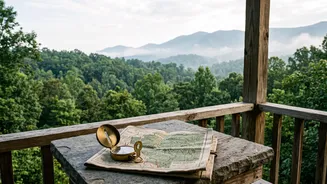
colours are more vibrant, and long-distance views across forest canopies and valleys become possible. This period, before the mists of deep winter set in, provides a short but spectacular opportunity to see the forests in high definition. The entire ecosystem, having been replenished by the rains, seems to hum with a renewed energy under the bright, clean light.
Thinner Foliage, Better Sightings
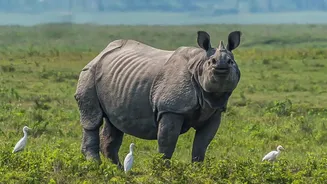
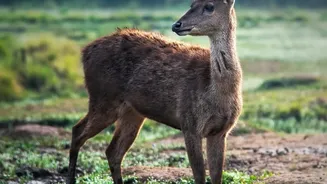
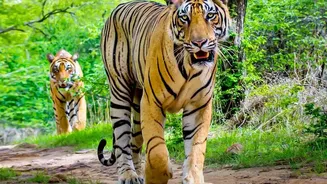
While the monsoon triggers a massive growth spurt, creating dense walls of green, November marks a turning point. The intense growth phase subsides, and the undergrowth begins to thin out. Ferns and seasonal grasses start to die back, and some deciduous trees begin to shed their leaves. This reduction in foliage is a significant advantage for wildlife enthusiasts. With less cover to hide behind, animals are easier to spot from a distance. The forest floor becomes more visible, and sightlines through the trees open up, increasing the chances of spotting elusive creatures like tigers, leopards, and deer.
The Perfect Climate for Adventure
November ushers in some of the most pleasant weather of the year across much of India. The high humidity and scorching heat of the preceding months are replaced by dry, sunny days and cool, comfortable nights. Average daytime temperatures often hover around a pleasant 23 to 27 degrees Celsius. This mild climate makes outdoor activities like jungle safaris, bird-watching trails, and long nature walks far more enjoyable. Early morning safaris can be chilly, but the daytime warmth is perfect for spending extended hours in the wilderness without the draining effects of extreme heat or persistent rain.
Prime Time for National Parks
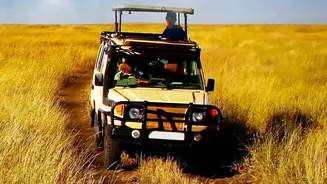
Many of India's most famous national parks and tiger reserves, which close during the peak monsoon months due to inaccessible trails and breeding season, reopen to visitors in October or November. This makes November the first real opportunity to explore these revitalised landscapes. Parks like Jim Corbett in Uttarakhand, Ranthambore in Rajasthan, and Bandhavgarh and Kanha in Madhya Pradesh are all open and offer exceptional post-monsoon experiences. The waterholes are still full, ensuring animals are dispersed and active, and the freshly greened environment provides a stunning backdrop for safaris.
A Photographer's Dream Season
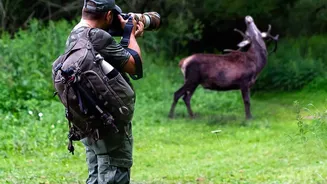
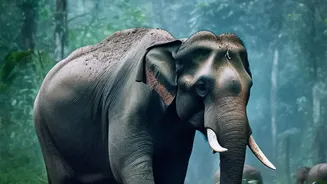
For photographers, the post-monsoon season is a gift. The combination of clean air, active wildlife, and lush scenery creates endless opportunities for stunning images. The 'golden hour' light during sunrise and sunset is particularly soft and beautiful, illuminating the vibrant greens of the forest and the rich coats of its animal inhabitants. The thinning vegetation means less obstruction for telephoto lenses, allowing for clearer shots of wildlife. Whether capturing a wide landscape of a misty valley or a close-up of a Royal Bengal Tiger, the conditions in November are nearly ideal.