





The Rise of 'Skinimalism'
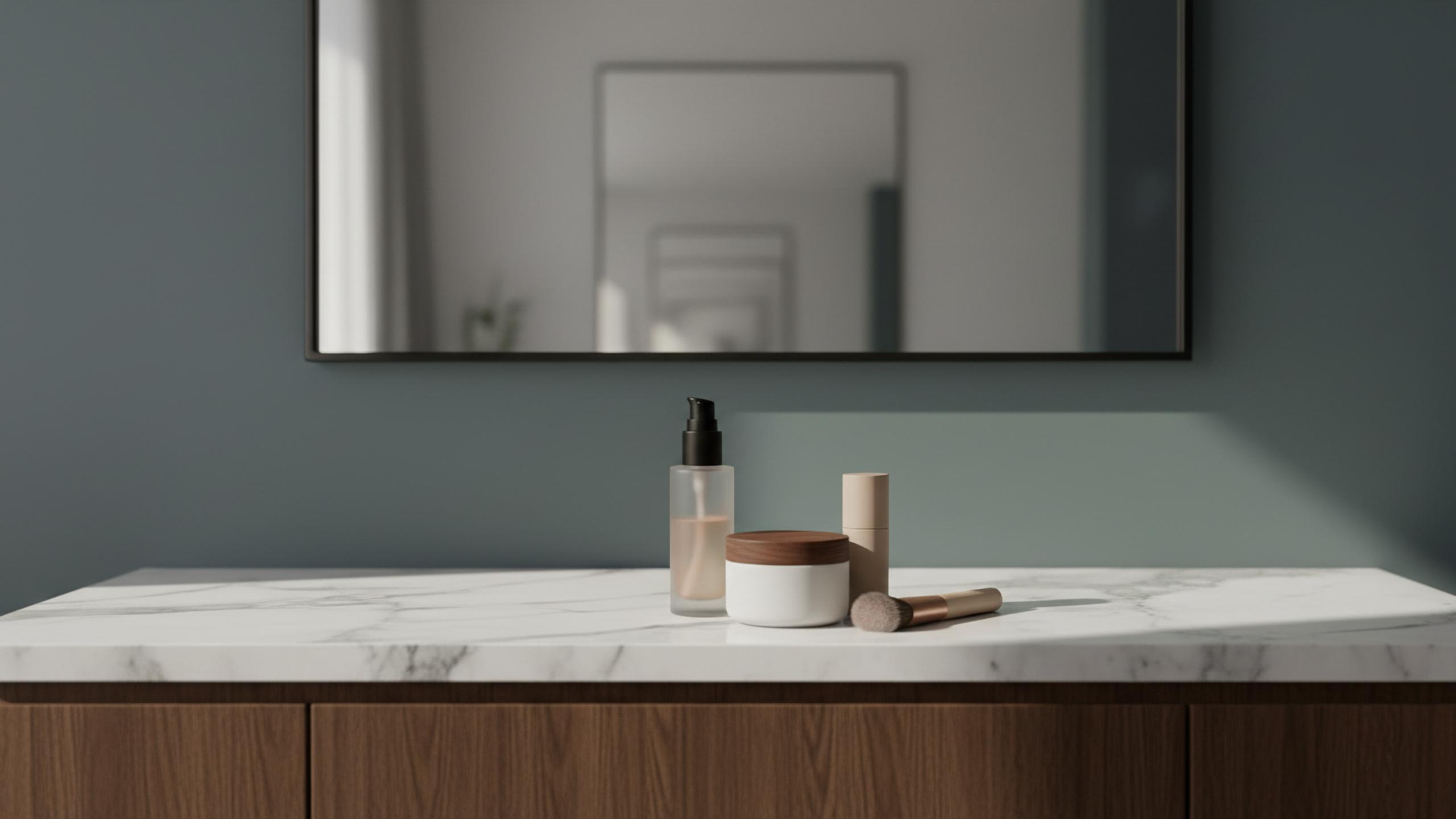
There’s a new buzzword in beauty, and it’s called 'skinimalism'. This trend represents a major shift away from the multi-step, heavy-handed makeup routines that dominated social media for the better part of a decade. Instead of masking imperfections with
thick layers of foundation, the focus is now on enhancing the skin you’re in. It’s a philosophy that merges skincare and makeup, prioritizing the health and texture of your actual skin over creating an artificial facade. This isn't about ditching makeup entirely; it's about using it more intentionally. Think less about hiding and more about highlighting, with a goal of achieving a balanced, breathable, and authentic look. It’s a response to the overwhelming complexity of 12-step routines and a collective desire for a more mindful, sustainable approach to beauty.
From 'Instagram Face' to Authenticity
What’s driving this change? In part, it’s a cultural correction. The era of the so-called 'Instagram Face'—characterized by sharp contouring, baked concealer, and a poreless, matte finish—is giving way to a celebration of individuality. Consumers, particularly Gen Z, are expressing a growing skepticism toward overconsumption and are more interested in routines they can realistically maintain. There's a renewed appreciation for real skin textures, including freckles and fine lines. Celebrities like Alicia Keys and Pamela Anderson have famously appeared at major events with little to no makeup, sending a powerful message about self-acceptance that has resonated globally. This shift signals a broader move toward authenticity, where feeling good in your own skin is the ultimate beauty standard.
The New Generation of Hybrid Products
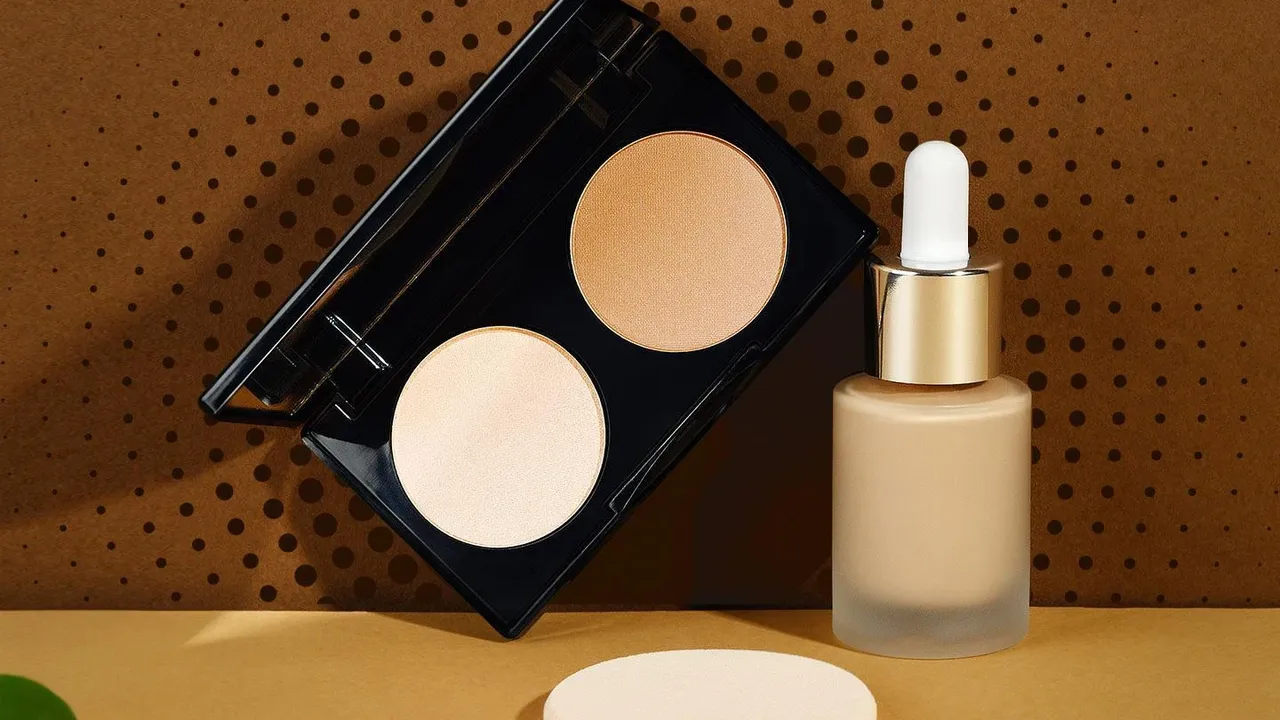
The beauty industry has been quick to respond with a flood of innovative products that blur the lines between skincare and cosmetics. These are not your old-school tinted moisturisers. Today’s skincare-makeup hybrids are sophisticated formulas packed with active ingredients typically found in high-performance serums. We’re seeing foundations infused with niacinamide, concealers with hyaluronic acid, blushes formulated as hydrating serums, and lip oils packed with ceramides. Brands are essentially creating makeup that works as a daily extension of your skincare routine, aiming to improve your skin over time, not just cover it for the day. The idea is simple: if a product is going to be on your skin all day, it should be doing something good for it.
Technique Gets a Makeunder
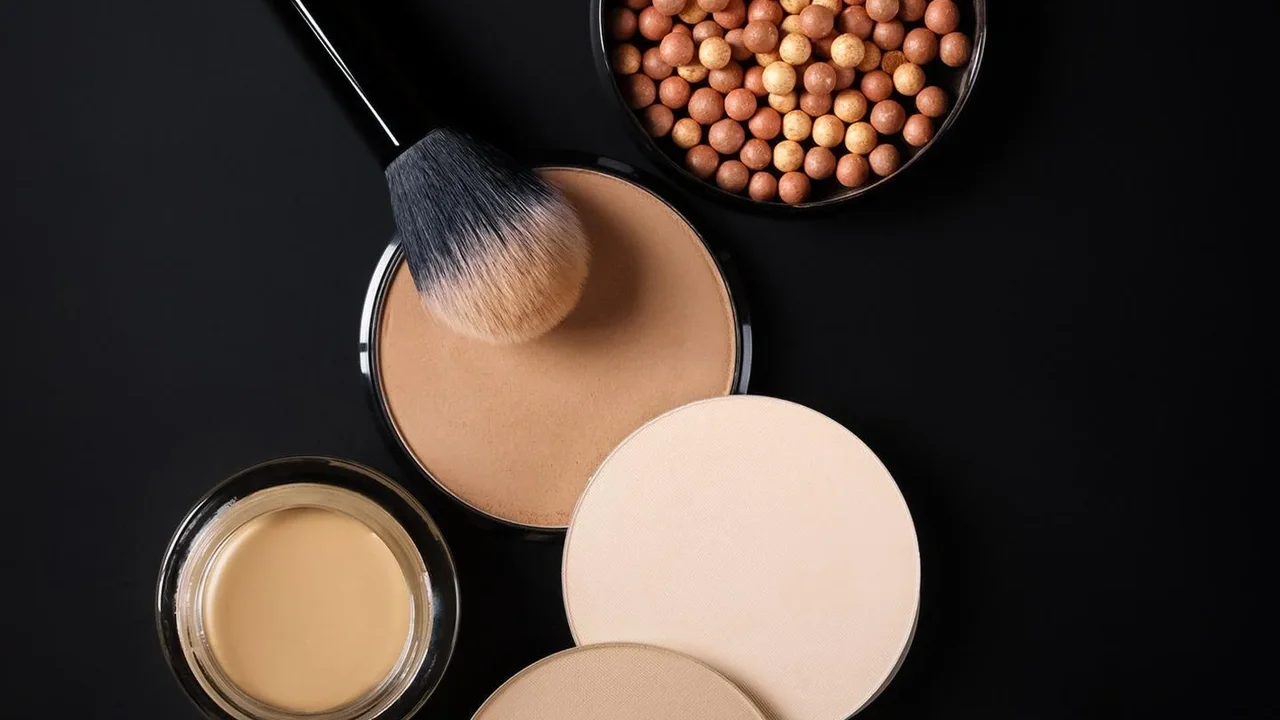
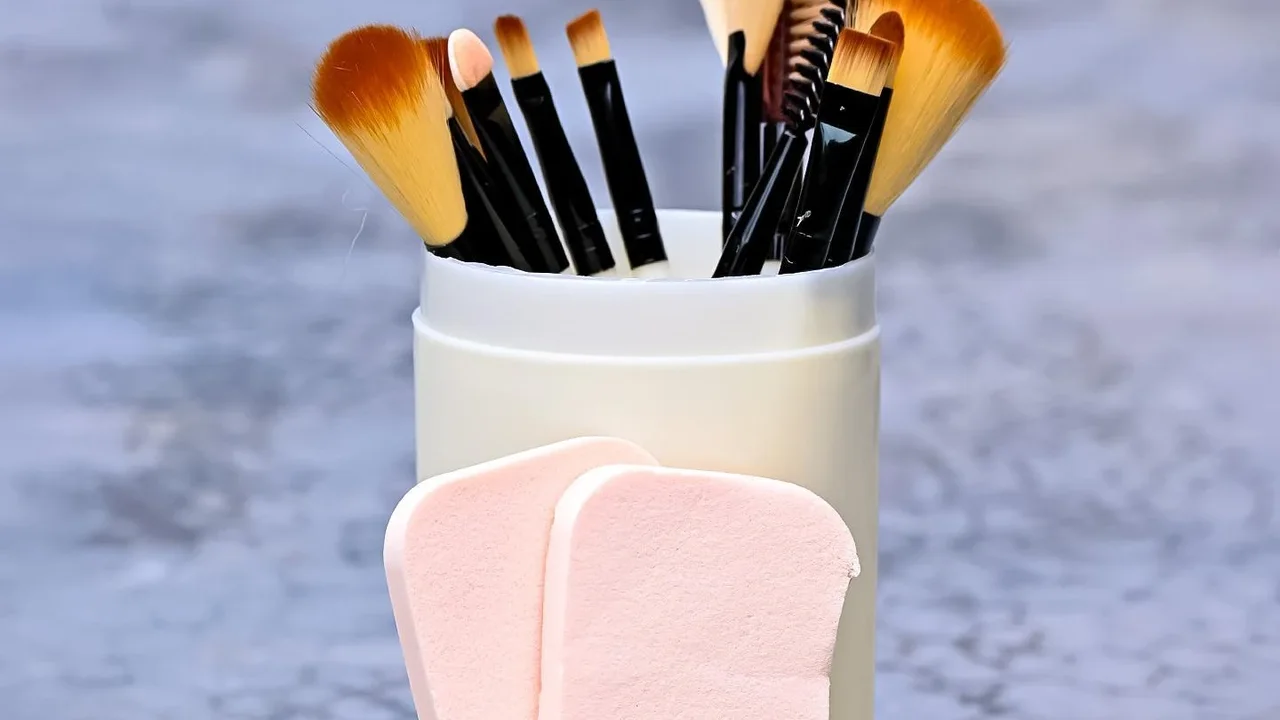
With new products come new techniques. The dense brushes and beauty sponges used to buff in full-coverage foundation are taking a backseat to a simpler tool: your fingers. Applying a skin tint or serum foundation with your hands warms the product, allowing it to melt into the skin for a more natural, seamless finish. The focus has moved from all-over coverage to strategic application. Instead of painting on a uniform base, the modern approach is to spot-conceal where needed—perhaps under the eyes or around the nose—and let the rest of the skin breathe. The latest iteration of this trend is 'cloud skin,' which creates a soft-focus, semi-matte look by applying powder only to the T-zone, leaving the high points of the face naturally luminous. It’s a realistic, flattering finish that looks filtered but feels fresh.
More Than Just a Trend
This movement toward prioritising skin is more than a fleeting trend; it reflects a deeper change in our relationship with beauty and wellness. Consumers are more ingredient-savvy than ever, demanding transparency and efficacy from the brands they support. The 'skinification' of makeup, as it’s been called, acknowledges that true radiance comes from skin health. It aligns with a broader focus on wellness, sustainability, and mindful consumption. By choosing fewer, better products that enhance rather than hide, the message is clear: the most beautiful canvas is the one you were born with, and it deserves to be seen.