








From Pet Owner to Pet Parent
Perhaps the biggest driver of this dietary revolution is a cultural one: the humanisation of pets. Across cities like Mumbai, Bengaluru, and Delhi, a growing number of millennials and Gen Zs see themselves not as 'pet owners' but as 'pet parents'. This
change in identity is profound. Pets are no longer just animals that live in the house; they are considered family members, deserving of the same level of care and consideration as anyone else. This emotional shift is reshaping spending habits, with a heightened focus on wellness and nutrition. Just as people have become more conscious of what goes into their own bodies, they are now meticulously scrutinising their dogs' food labels, questioning fillers and preservatives in mass-produced kibble.
A Quest for Better Health
Health is the primary motivator for switching to fresh food. Pet parents are increasingly linking processed dry food to issues like poor digestion, allergies, and a lack of energy. Fresh food advocates and brands point to a host of visible benefits, including a shinier coat, better weight management, improved digestion, and higher energy levels. A significant advantage is hydration. Fresh meals naturally contain high moisture content (around 70-80%), which is crucial in India's hot climate and can help support kidney function, whereas dry kibble is inherently dehydrating. Vets are also increasingly acknowledging that gently cooked, nutritionally complete fresh diets can be highly beneficial, especially for dogs with specific health concerns.
The Rise of Convenient Nutrition
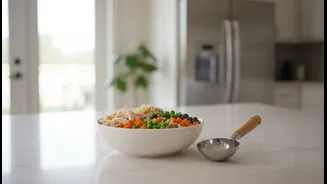
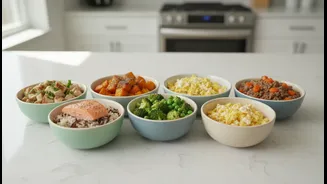
While the desire for fresh food is strong, the time to prepare it is not always available for busy urban professionals. This is where a new wave of direct-to-consumer (D2C) startups has stepped in, making fresh feeding both easy and scientific. Companies are offering subscription-based services that deliver pre-portioned, customised meals right to your doorstep. The customisation is a key selling point; meals are often tailored to a dog's specific breed, age, weight, activity level, and health conditions. These services effectively bridge the gap between the good intentions of feeding fresh and the rigour required to ensure a diet is nutritionally balanced, a common pitfall of unstructured home-cooked meals like dal and roti.
Decoding the Dinner Bowl
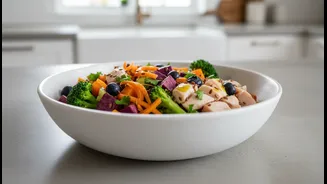
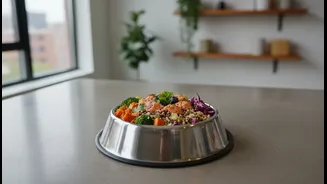
So, what exactly is in these fresh meals? Unlike kibble, where ingredients are often processed beyond recognition, fresh diets pride themselves on transparency. A typical meal might contain real, human-grade ingredients like chicken breast, lamb, eggs, fish, along with vegetables like pumpkin and carrots, and sometimes functional Indian ingredients like turmeric or ashwagandha. These ingredients are gently cooked to preserve nutrients and eliminate pathogens, then quickly frozen or packaged to maintain freshness without artificial preservatives. This 'clean label' approach directly addresses the trust deficit some consumers have with the opaque ingredient lists of some commercial pet foods.
Is It Worth the Cost?
The primary drawback of this premium nutrition is, unsurprisingly, the price. Customised fresh food is significantly more expensive than even high-end kibble, making it a luxury for many households. The requirement for refrigeration or freezer space also presents a logistical challenge. However, for a growing segment of the population, the perceived long-term health benefits and peace of mind are worth the investment. They see it as a trade-off: spending more on nutrition now may mean spending less on vet bills later. This mirrors trends in human wellness, where consumers are increasingly willing to pay a premium for products they believe are healthier and more natural.