





Understand the Enemy: Humidity
High humidity is the primary challenge for food safety during the monsoon. Moisture in the air accelerates the growth of microorganisms like bacteria, yeast, and mould, which cause food to decay. This affects everything from fresh produce to dry goods.
Crispy foods like crackers and chips lose their crunch, powders like spices and flour clump together, and bread can develop mould much faster than in drier weather. The elevated moisture not only compromises texture and flavour but also shortens shelf life and can lead to foodborne illnesses.
Revamp Your Storage Strategy
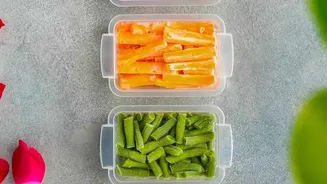
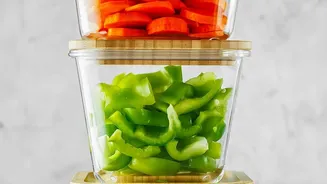
Proper storage is your first line of defence. For dry goods like grains, pulses, flour, and spices, airtight containers are non-negotiable. Do not leave them in their original paper or plastic bags, which are not sealed against moisture. Transfer them to glass or BPA-free plastic jars with tight-fitting lids immediately after purchase. For extra protection with items like rice or beans, you can add a natural moisture absorber like a small pouch of salt or a few bay leaves into the container. Vegetables and cut fruits should be stored in the refrigerator to slow down spoilage. Even dry fruits and nuts, often kept in the pantry, are better off refrigerated during the monsoon to prevent them from going rancid.
Use Your Refrigerator Wisely
The refrigerator becomes a crucial tool during the rainy season. However, simply tossing things in isn't enough. To ensure it works efficiently, avoid overcrowding it, as this can impede air circulation. Keep cooked leftovers in covered containers and store them promptly—ideally within two hours of cooking. It's also a good practice to slightly lower your refrigerator's temperature setting, as the high ambient humidity makes it work harder to maintain its coolness. Regular cleaning is also vital; wipe down shelves and drawers every couple of weeks to prevent mould and bacterial growth inside the fridge itself.
Shop Smart and Practice Good Hygiene
Adjust your shopping habits for the season. Instead of buying in bulk, purchase fresh fruits and vegetables in smaller quantities that you can consume within a few days. Carefully inspect produce for any signs of mould, bruising, or decay before buying. When it comes to leafy greens, they are particularly susceptible to contamination. It's advisable to soak them in salted or vinegar water for about 15 minutes before a final rinse. Personal and kitchen hygiene are paramount. Wash your hands thoroughly before handling food. Use clean cutting boards, and regularly wash and completely dry kitchen towels, as damp cloths can become breeding grounds for bacteria.
Cook and Consume with Care
During the monsoon, it's safer to avoid raw foods like salads unless you are certain of their cleanliness. Steaming or stir-frying vegetables is a better option. Ensure all food, especially meat and poultry, is cooked thoroughly to an internal temperature that kills harmful pathogens. Always use clean, boiled, or filtered water for drinking and cooking, as waterborne diseases become more common during this time. When it comes to leftovers, reheat them thoroughly until they are steaming hot before consumption. Cut fruits should be eaten fresh and not left out in the open, where they can quickly become contaminated.