



More Than Just a Tourist Ride
India's mountain railways, like the Darjeeling Himalayan Railway and the Nilgiri Mountain Railway, are celebrated as UNESCO World Heritage Sites for their engineering genius. But their true significance runs deeper than their tracks and tunnels. These
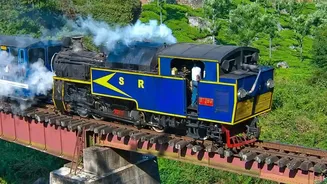
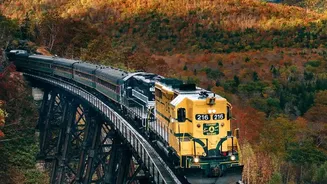
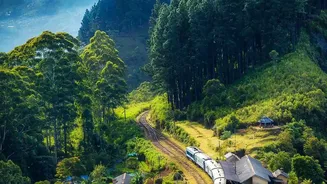
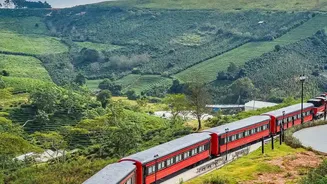
railways are not just about reaching a destination; they are about reliving an era and connecting with the cultural soul of a region. They serve as living museums on wheels, where the journey itself is the main event. The steady chug of the engine through lush tea gardens and charming villages is a rhythm that local life has moved to for over a century, transforming a simple train ride into an immersive cultural experience. This experience is shaped and sustained by the very communities the trains were built to serve.
The Economic Engine of the Hills
For the towns and villages dotted along these historic routes, the heritage railway is a powerful economic driver. The Nilgiri Mountain Railway, for instance, is considered a vital source of livelihood in the district, drawing in the majority of tourists who visit the region. This influx of visitors supports a web of local businesses, from small guesthouses and restaurants to artisans and taxi drivers. Indian Railways' 'One Station One Product' scheme further strengthens this link, providing outlets for local craftspeople to sell their goods directly to travellers at the stations. This creates a symbiotic relationship: the train brings the people, and the people sustain the local economy, ensuring that the benefits of tourism are distributed throughout the community.
A Tapestry of Shared Stories
Beyond economics, these railways are woven into the cultural fabric of the communities. They are conduits of stories, traditions, and collective memory. The Darjeeling Himalayan Railway, for example, is not just a mode of transport but an integral part of the landscape and the region's identity. It has inspired filmmakers, writers, and artists, and its presence is deeply felt in local life. Stations along the lines, like those on the Kalka-Shimla route, become destinations in themselves, each with a unique charm and history that adds to the journey's appeal. These railways link more than just places; they connect the Hindu culture of the plains with the Buddhist culture of the mountains, fostering a unique blend of traditions along the way.
The Human Element: Volunteers and Guardians
The preservation of this living heritage often relies on more than just official bodies. It depends on the passion of local people. Across the world, heritage railways are kept alive by volunteers, and the principle holds true in India. From retired railway employees with a lifetime of knowledge to young enthusiasts and local railfans, these individuals form a community of guardians. They contribute by maintaining stations, sharing historical accounts with tourists, and celebrating special events, ensuring the railway's legacy is passed down. This community-led approach transforms conservation from a top-down mandate into a shared responsibility, embedding the railway even more deeply into the local identity.
The Journey Ahead
Despite their cultural importance, India's heritage railways face significant challenges. Much of the infrastructure is ageing, and the lines operate in difficult mountainous terrain prone to landslides. Balancing the need for modernisation with the imperative of preservation is a constant dilemma. Ensuring these railways remain financially sustainable while serving both tourists and local commuters requires careful management and continued investment. The future of these lines depends not just on government support, but on strengthening the very community ties that give them their vibrant, living context.