







A Direct Boost for Farmer Incomes
For generations, farmers in Arunachal Pradesh have cultivated a rich bounty of fruits, vegetables, and spices, from kiwis and oranges to ginger and turmeric. However, due to the region's challenging terrain and distance from major markets, a significant
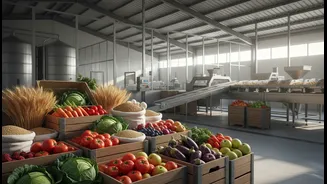
portion of their potential earnings has been lost to middlemen and inefficient supply chains. The Mega Food Park is designed to change this dynamic. By creating a direct link between the farm and processing units, it aims to ensure farmers get a fair and consistent price for their produce. The park's model is built on a network of Collection Centres (CCs) and Primary Processing Centres (PPCs) in the farming hinterlands, which feed into a Central Processing Centre (CPC). This structure eliminates the need for farmers to sell to multiple intermediaries, allowing them to capture a larger share of the final product's value. The goal, as stated by officials, aligns with the national vision of doubling farmers' income by providing them with a reliable buyer and better returns for their hard work.
Tackling the Food Waste Challenge
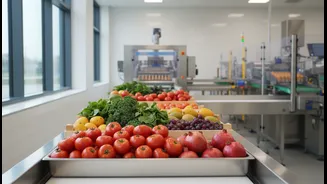
One of the biggest paradoxes of India's agricultural sector is the high level of post-harvest loss, and the Northeast is particularly affected. It is estimated that a substantial percentage of fruits and vegetables in the region perish due to a lack of storage and processing facilities. Perishable items like pineapples, oranges, and bamboo shoots have a short shelf life, making them vulnerable to spoilage during the long transit to markets. The Mega Food Park addresses this issue head-on. At its core are modern facilities like cold storage, warehouses, and processing lines designed for value addition. Instead of fresh produce rotting in transit, it can be cleaned, graded, sorted, and converted into juices, pickles, canned goods, frozen products, and more. This not only saves the produce from going to waste but also transforms it into higher-value goods with a longer shelf life, contributing to the 'waste to wealth' concept.
Creating Local Employment Opportunities
Beyond its agricultural impact, the food park is a major engine for regional employment. The project is expected to generate thousands of direct and indirect jobs, providing a crucial economic anchor for the local population. Direct employment will be created within the 30-35 food processing units expected to be set up in the park by various companies. These roles will range from skilled technicians and quality control lab staff to workers on the packaging and processing lines. Indirect employment is generated in supporting sectors like logistics, transportation, packaging supplies, and maintenance services. This creation of local job opportunities is vital for a state where many youths might otherwise have to migrate to other parts of the country in search of work. By bringing industrial activity to the region, the park helps build a more self-reliant economy.
The Bigger Picture: Integrating the Northeast
The significance of the Arunachal Pradesh Mega Food Park extends beyond its immediate economic benefits. It represents a key piece of the broader strategy to better integrate the Northeast with the national economy and to advance the 'Act East' policy. For a long time, the region's development has been hampered by poor infrastructure and connectivity. Projects like this, supported by higher government subsidies for the Northeast, are designed to overcome these historical challenges. By creating an industrial ecosystem, the park is expected to attract private investment and foster a culture of entrepreneurship. It serves as a proof of concept that with the right infrastructure and policy support, the region's vast agricultural potential can be unlocked, paving the way for sustainable and inclusive growth for years to come.