




Decoding SAR: An All-Weather Eye in the Sky
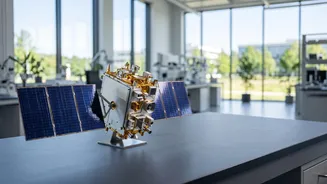
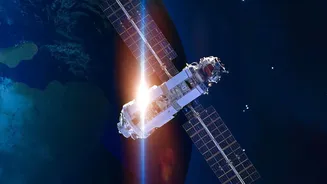
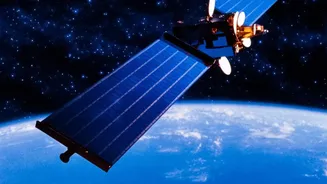
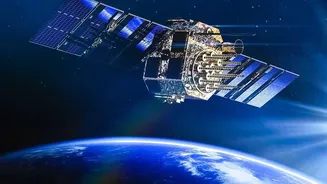
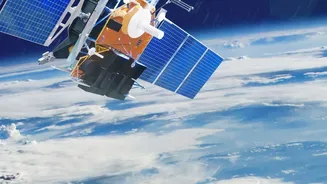
Synthetic Aperture Radar is a powerful form of remote sensing that can create high-resolution images of the Earth's surface regardless of weather conditions or time of day. Unlike traditional optical satellites that need clear skies and daylight, SAR
works by sending microwave pulses to the ground and interpreting the signals that bounce back. This allows it to 'see' through clouds, fog, smoke, and darkness, making it an incredibly reliable tool for continuous monitoring. By using a moving platform like a satellite, SAR can mimic a very large antenna, enabling it to capture incredibly detailed images from space. Different materials like water, soil, vegetation, and man-made structures reflect these radar waves differently, providing a wealth of information that optical sensors might miss.
Why SAR is Crucial for India's Future
For a country with diverse and dynamic geography like India, SAR technology is a game-changer. Its applications are vital for national development and security. During natural disasters like floods and cyclones, which are common in the subcontinent, SAR provides invaluable data for emergency response teams by mapping affected areas even when they are obscured by heavy clouds. In agriculture, it helps in monitoring crop health, soil moisture, and estimating yields, which is critical for food security. It's also used for monitoring deforestation, managing water resources, planning urban infrastructure, and keeping an eye on our vast coastline and borders. With missions like the RISAT series and the landmark joint NASA-ISRO SAR (NISAR) mission, India is heavily invested in leveraging this technology for national progress.
How ISRO is Training the Next Generation
Recognising the growing importance of this field, ISRO has initiated several programs to train students and professionals. Through centres like the Indian Institute of Remote Sensing (IIRS), ISRO offers free online and in-person courses on SAR data processing and its applications. These programs are designed for a wide audience, including undergraduate and postgraduate students, researchers, and government officials. One key initiative is the Space Science and Technology Awareness Training (START) programme, which provides an introductory overview of space science, including remote sensing technologies, to equip students for future careers in the sector. These courses often include hands-on training with real data, allowing participants to work on case studies related to disaster management, forestry, and agriculture.
The Competitive Edge for Students
For an Indian student, gaining expertise in SAR technology is a direct pathway to a high-demand career. The skills acquired through ISRO's training are sought after in both the public and private sectors. Graduates can find opportunities within ISRO itself, the Defence Research and Development Organisation (DRDO), and various other government bodies involved in disaster management and environmental monitoring. Furthermore, a burgeoning private space-tech ecosystem in India is creating a surge in jobs for geospatial analysts, remote sensing engineers, and data scientists with SAR expertise. Companies in sectors like agriculture technology, insurance, and infrastructure monitoring are increasingly relying on SAR data for their operations. Proficiency in this field gives students a significant advantage, placing them at the cutting edge of a rapidly growing industry.
Building a Career, Building the Nation
Learning SAR technology from an institution like ISRO is about more than just adding a skill to a resume. It’s about becoming part of a larger mission to build a technologically self-reliant India. The knowledge and data generated through SAR directly contribute to solving some of the country's most pressing challenges, from improving agricultural output to saving lives during natural calamities. Students who enter this field are not just choosing a job; they are becoming key contributors to the nation's scientific advancement and socio-economic development. By training the next generation of experts, ISRO is ensuring that India has the human capital required to lead in space science and its applications, turning satellite data into actionable intelligence for a better future.