




The Appealing Health Claim
Recent headlines suggested that a daily handful of peanuts could be a powerful tool against age-related cognitive decline. This idea is incredibly appealing, positioning the humble peanut, a staple in many Indian households, as a 'superfood' for the brain.
The notion that such a simple dietary change could help ward off a condition as complex and feared as dementia is powerful. This led many to wonder if they should be eating more peanuts to protect their brain health as they age. The buzz originated from studies that linked peanut consumption to positive changes in brain function, but the nuances of these findings were often lost in translation.
What Did the Study Actually Find?
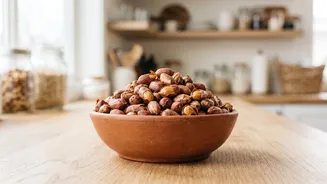
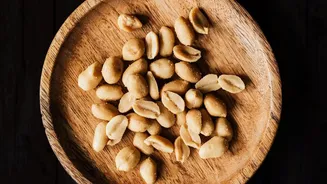
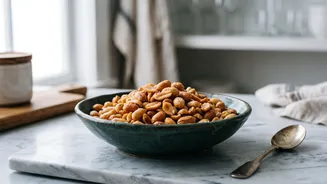
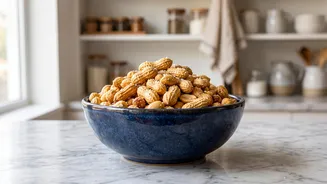
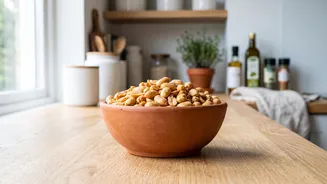
The research in question, primarily from Maastricht University in the Netherlands, examined the effects of daily peanut consumption in healthy older adults. In one part of the research, a small group of adults aged 60-75 ate about 60 grams of unsalted, skin-roasted peanuts daily for 16 weeks. Researchers used advanced imaging to see how their brains responded. They found that peanut consumption was linked to a 3.6% increase in overall blood flow to the brain and improved the brain's response to insulin in areas associated with memory, like the hippocampus. Participants also showed a modest 5.8% improvement on a verbal memory test. These are interesting findings, suggesting peanuts may support brain vascular function and certain cognitive processes.
Correlation Is Not Causation
This is the most critical point to understand. The study found a correlation—a connection—between eating peanuts and improved blood flow and memory scores. It did not, and could not, prove that peanuts caused these improvements or that they will prevent dementia. Many other factors, known as confounding variables, could be at play. People who eat peanuts regularly might also have other healthy habits that contribute to better brain health. Dementia is a complex neurodegenerative disease influenced by genetics, environment, and overall lifestyle. While improved blood flow and insulin response in the brain are positive physiological markers, it is a massive leap to conclude this prevents a specific disease. The researchers themselves were careful not to make this claim.
Why 'Improving Memory' Is Not 'Preventing Dementia'
It's important to distinguish between enhancing cognitive function and preventing a disease. The study showed small improvements in specific tasks, like verbal recall. This is different from halting or reversing the complex brain changes that lead to Alzheimer's disease or other forms of dementia, which involve the buildup of proteins like amyloid and tau. While some nutrients in peanuts, like niacin and vitamin E, have been associated in other studies with a lower risk of cognitive decline, no single food has ever been proven to prevent Alzheimer's. A 2026 study in California involving older adults with existing memory complaints found no significant cognitive benefits from eating peanuts, highlighting that results can vary between different groups. This shows the science is still evolving and a single study is never the final word.
So, Should You Still Eat Peanuts?
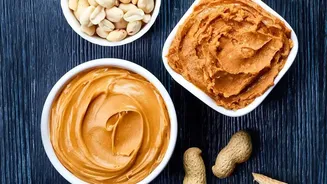
Absolutely, unless you have an allergy. While they may not be a magic bullet for dementia, peanuts are a nutritionally dense food. They are a great source of plant-based protein, healthy monounsaturated fats, fibre, and important micronutrients. The skin, in particular, is rich in bioactive compounds like resveratrol and other polyphenols, which have antioxidant properties that may help protect the body's cells. These nutrients are beneficial for heart health, and what is good for the heart is often good for the brain. Including peanuts as part of a balanced and varied diet, like the Mediterranean diet, is a sensible health choice. The key is to focus on overall dietary patterns rather than pinning hopes on a single 'superfood'.