




The Science of Stale Smells
That musty odour isn't just a sign of old, stale air. It's primarily caused by moisture and a lack of ventilation. When clothes are packed away, even a tiny amount of residual dampness from washing or humidity in the air can get trapped. In a sealed,
dark environment like a plastic bin or an overstuffed closet, this moisture creates the perfect breeding ground for mould and mildew, which are the main culprits behind the smell. Even if clothes seem clean, invisible residues from body oils and sweat can also contribute to the problem over time. Without airflow, these odours have nowhere to go and embed themselves in the fabric.
What Makes a Storage Bag 'Breathable'?
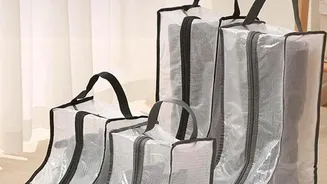
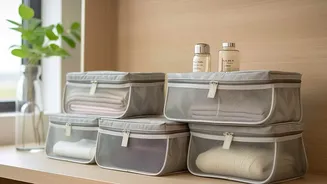
A 'breathable' bag is one made from a material that allows air to pass through it. This is the key difference between fabric storage solutions and their plastic counterparts. The best materials for breathability are natural fibres like cotton, canvas, and linen. These fabrics have a woven structure that permits air circulation while still offering protection from dust. In contrast, plastic bags and hard plastic bins are non-porous. They create an airtight seal that traps moisture and prevents any air exchange, which is why they often make the musty smell problem worse, especially for natural fibres like wool or silk.
How Breathability Fights Odour
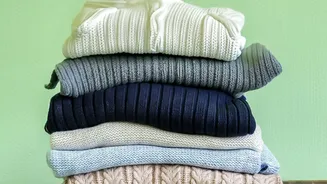
Breathable bags work by creating a stable micro-environment for your clothes. By allowing air to circulate freely, they let any residual moisture in the fabric or the surrounding air escape. This constant, gentle ventilation prevents the damp, stagnant conditions that mould and mildew need to grow. Think of it as giving your clothes room to breathe, even while they're packed away. This process is fundamental to keeping fabrics like wool, cashmere, and cotton fresh, as they are particularly susceptible to absorbing moisture. As a result, when you eventually unpack your clothes, they smell clean and fresh, not stale.
Choosing the Right Breathable Bag
When shopping for breathable storage, prioritise material over everything else. Look for bags made from 100% cotton, canvas, or linen. Unbleached and undyed cotton is considered a top choice by textile conservationists because it eliminates the risk of dyes transferring to your clothes. Also, check the construction. A sturdy zipper and strong seams ensure the bag will last and keep dust out effectively. While plastic bins might seem better for protecting against pests, a well-sealed fabric bag in a clean, dry location can be just as effective, especially when paired with natural deterrents like cedar blocks for wool items.
Best Practices for Fresh Storage
Using a breathable bag is a great first step, but a few extra habits will guarantee freshness. First, and most importantly, ensure every single item is completely clean and bone-dry before it goes into storage. Storing even slightly damp clothes will defeat the purpose of a breathable bag. Avoid overstuffing the bags; leave some room for air to move around the items. Finally, where you store the bags matters. Choose a cool, dark, and dry area of your home, like a bedroom closet, rather than a basement or attic where temperature and humidity can fluctuate dramatically. Checking on your stored items once or twice a year is also a good habit to get into.