




What Exactly is Hydroponics?
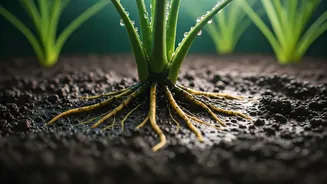
At its core, hydroponics is the art of growing plants without soil. Instead of pulling nutrients from the earth, plants get everything they need from a nutrient-rich water solution. Their roots are either suspended directly in this solution or supported
by an inert growing medium like coco peat or clay pebbles. This method gives you complete control over the plant's environment, delivering a perfect diet directly to the roots. The result is often faster growth and more abundant yields compared to traditional gardening. It might sound like something from a science fiction movie, but it's a surprisingly simple and clean way to garden indoors.
Why Your Balcony Is the Ideal Lab
For apartment dwellers, the benefits of hydroponics are immense. The most obvious advantage is space efficiency. Since plants don't need to spread deep roots into soil, they can be grown closer together. Vertical systems, which stack plants on top of each other, can turn a small patch of balcony floor or a sunny corner into a highly productive garden. Hydroponics also uses up to 90% less water than soil-based gardening because the water is recirculated instead of draining away. This makes it a highly sustainable choice for water-conscious urban areas. Plus, with no soil, you can say goodbye to messy clean-ups and many common soil-borne pests and diseases, reducing the need for chemical pesticides.
Getting Started: Your First Simple Setup
Starting a hydroponic experiment doesn't require a huge investment or complex machinery. For absolute beginners, the 'Kratky method' is a great entry point. It's a passive system that involves a container (like a bucket or even a mason jar), a lid with a hole, and a net pot to hold the plant. The roots hang down into the nutrient solution, and as the water level drops, an air gap forms that provides oxygen. Another popular beginner-friendly option is a Deep Water Culture (DWC) system. This involves a container, a lid, net pots, and a small aquarium air pump with an air stone to oxygenate the water. You can buy pre-made kits online or easily assemble a DIY version for a very low cost.
Choosing Your First Crops
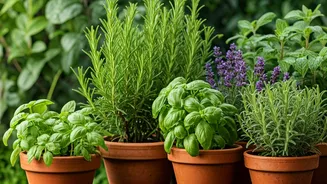
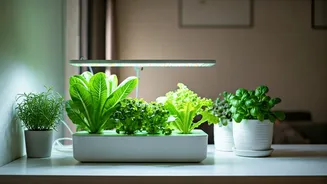
The key to a successful first experiment is choosing easy, fast-growing plants. Leafy greens and herbs are fantastic choices for beginners in an Indian context. Plants like lettuce, spinach, mint (pudina), basil (tulsi), and coriander (dhania) thrive in simple hydroponic setups. These plants grow quickly, allowing you to see the results of your experiment within weeks. Mint is particularly well-suited for hydroponics as its aggressive roots are contained, and basil grows prolifically with plenty of light. Starting with these will build your confidence before you move on to fruiting plants like tomatoes or chillies.
The Essential Toolkit
To begin, you only need a few basic items. First, a container to hold the water; an opaque bucket works well to prevent algae growth. Second, net pots to hold your plants and a growing medium like coco peat (widely available in India) or clay pebbles to support the roots. Third, and most importantly, is the hydroponic nutrient solution. You can buy pre-mixed liquid nutrients which are easy for beginners to use. These solutions contain all the essential macro and micronutrients your plants need to flourish. Finally, you'll need seeds or small seedlings. If your chosen spot doesn't get enough direct sunlight, investing in a small LED grow light will be necessary.