



The Old Way of Matching
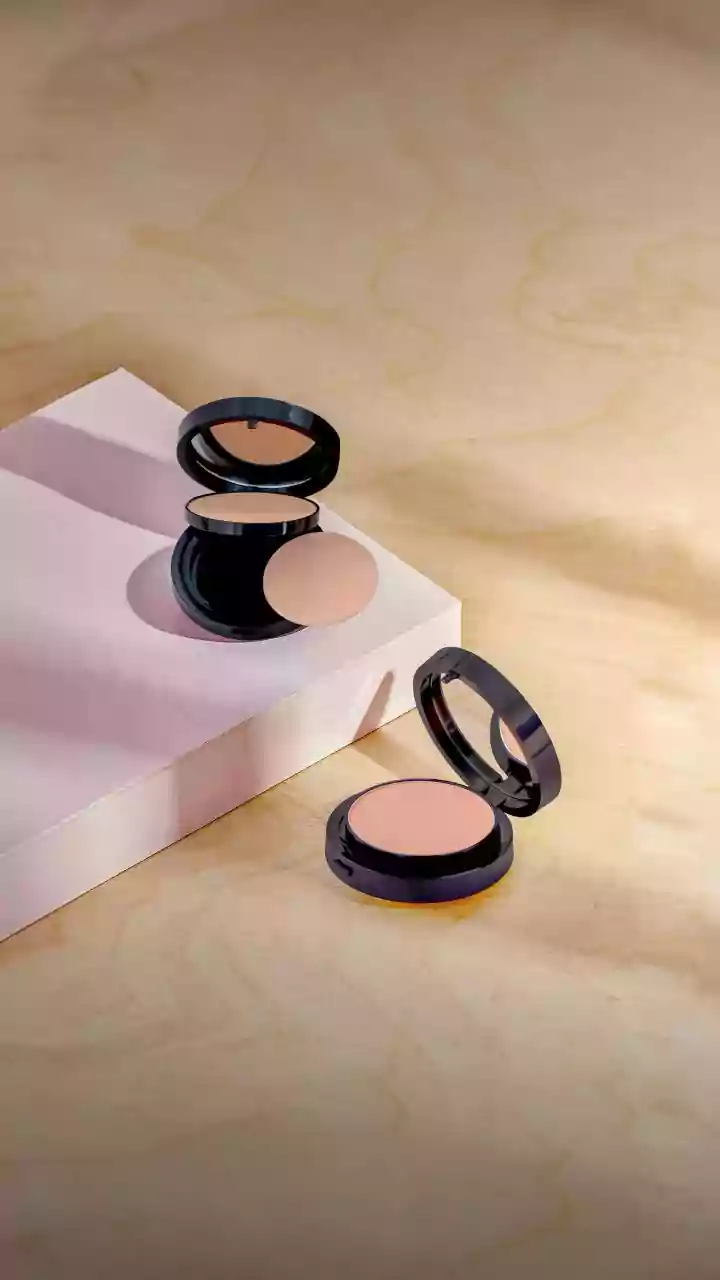
For decades, finding the right foundation was a hands-on, often frustrating, process. It involved trips to the store, swatching shades on your hand or jawline, and trying to gauge the color under harsh retail lighting. The alternative, online shopping,
introduced its own challenges. Quizzes asking you to self-diagnose your undertones or compare your skin to a celebrity often proved unreliable. This trial-and-error method is not only time-consuming for consumers but also costly for brands, leading to high rates of product returns and customer dissatisfaction.
How AI Changes the Game
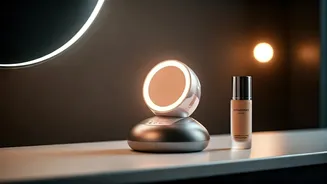
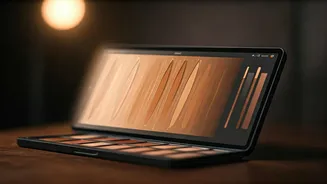
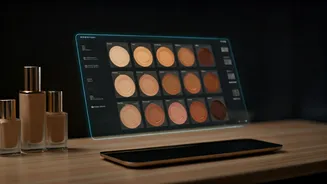
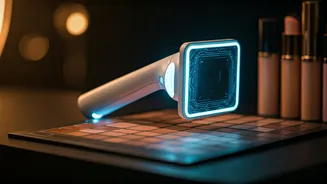
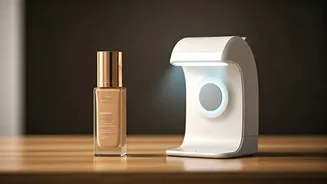
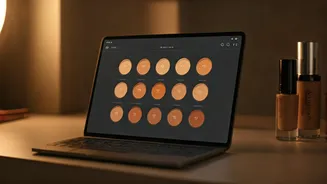
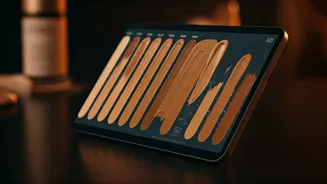
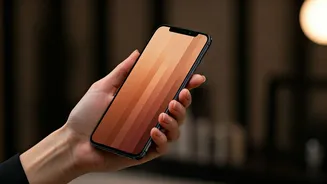
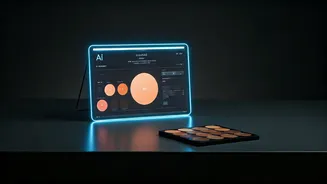
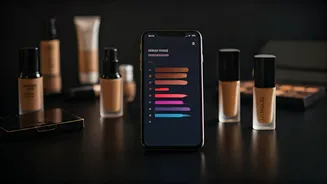
Artificial intelligence tools replace subjective guesswork with data-driven analysis. Using your smartphone's camera, these new AI shade finders scan your skin in seconds. By capturing a series of images, sometimes under changing light conditions created by your phone's screen, the AI can analyze your unique skin tone, including the subtle undertones that are often the hardest to identify. An algorithm then processes this information, cross-references it with a vast database of foundation shades, and recommends your perfect match from a specific brand's product line. Many tools also include a virtual try-on feature, allowing you to see how the recommended shade will look on your face in real-time.
Brands Embracing the Tech
Major beauty companies are quickly adopting this technology. Brands like Estée Lauder, Clarins, Mary Kay, and e.l.f. Beauty have all rolled out AI-powered shade-finding tools on their websites, apps, and even in stores. Tech companies like Perfect Corp., which works with brands including MAC and Tarte, have developed sophisticated systems that can detect tens of thousands of different skin tones, promoting greater inclusivity. Recent innovations from brands like Clarins claim a 96% match rate compared to a seasoned makeup artist, demonstrating how accurate the technology has become. These tools are also proving to be good for business, with some companies reporting that customers using the tech are twice as likely to make a purchase.
Is It a Perfect System?
While promising, AI foundation matching isn't flawless. The biggest challenge remains the 'hardware'—specifically, the user's smartphone camera and lighting conditions. A scan taken in a dimly lit room will produce a different result than one taken in natural daylight. To get the most accurate reading, users are advised to have a clean, makeup-free face, pull their hair back, and face a source of natural light. Furthermore, the accuracy of the algorithm depends on the data it was trained on. Ensuring these datasets are diverse and representative of all skin tones is crucial for the technology to be truly inclusive. Some critics also note that if all brands use similar AI, it could lead to a 'sameness' in the industry, rather than true innovation.
The Future of Personalized Beauty
Foundation matching is just the beginning. The same AI technology is being used to recommend entire skincare routines, analyze skin health concerns like wrinkles or blemishes, and even help formulate new products. As the technology becomes more sophisticated, the line between online and in-store shopping will continue to blur, offering a seamless experience where customers can get expert-level advice wherever they are. The ultimate goal is to move beyond one-size-fits-all beauty and into an era of hyper-personalization, where everything from your concealer to your serum is perfectly tailored to you. This shift promises not only more effective products but also a more confident and efficient shopping experience for everyone.