


A Beloved Seasonal Herald
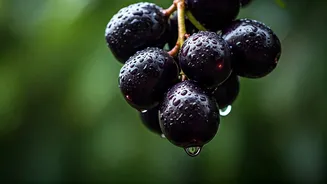
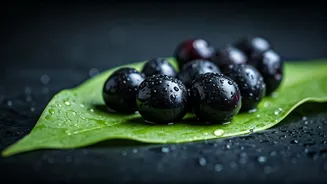
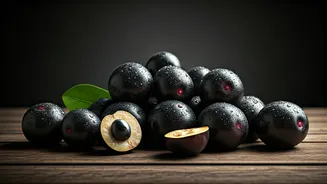
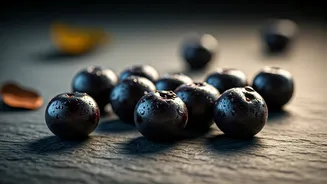
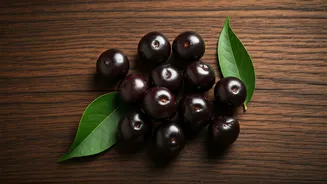
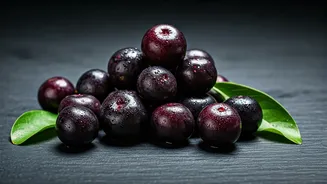
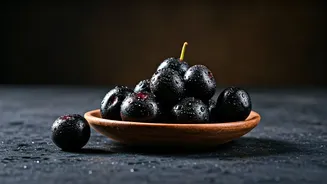
The “purple goodness” making its annual comeback is none other than Jamun, also known as Java plum, black plum, or Indian blackberry. This humble fruit is an iconic part of the Indian summer and early monsoon season. For generations, its arrival has signalled
a shift in the weather, a welcome respite from the scorching heat. More than just a fruit, Jamun is a cultural touchstone. It’s the taste of childhood memories, of eating handfuls with friends and comparing purple-stained tongues. Its unique flavour profile—a delightful mix of sweet, sour, and astringent—is instantly recognisable and deeply cherished. This is not a fruit you find year-round, which makes its brief appearance from May to July all the more special. Its fleeting presence reminds us to savour the simple, seasonal pleasures life has to offer.
A Powerhouse of Health Benefits
Beyond its delicious taste, Jamun is packed with nutritional value, earning it the status of a seasonal superfruit. It is most famously associated with managing blood sugar levels. Traditional Ayurvedic and Unani medicine have long used various parts of the Jamun tree, including the seeds, to help with diabetes management. The fruit itself has a low glycemic index, which means it releases sugar into the bloodstream slowly, preventing sharp spikes. It's also a fantastic source of Vitamin C and iron, which can help increase haemoglobin counts and support overall blood health. The iron content is particularly beneficial for purifying the blood, which contributes to healthy, glowing skin. Its astringent properties are also known to aid in keeping skin acne-free.
The Science Behind the Magic
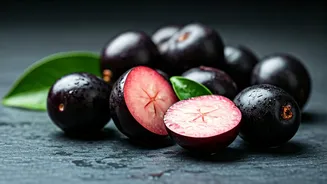
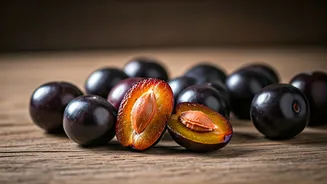
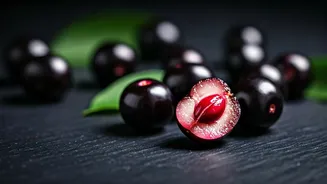
What makes Jamun so effective? The secret lies in its rich composition of beneficial plant compounds. The deep purple-black colour comes from anthocyanins, powerful antioxidants that fight free radicals in the body. These antioxidants help protect cells from damage, reduce inflammation, and may have anti-ageing effects. Furthermore, the fruit and its seeds contain compounds like jamboline and jambosine, which are alkaloids believed to slow down the rate at which the body converts starch into sugar. This is the scientific basis for its traditional use in blood sugar control. Jamun is also loaded with essential minerals like potassium, magnesium, and phosphorus, making it excellent for heart health by helping to regulate blood pressure and maintain a steady heartbeat.
How to Pick and Enjoy the Best
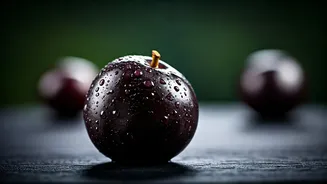
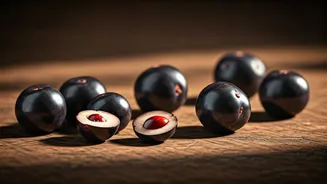
To get the most out of Jamun season, it helps to know how to pick the best ones. Look for fruits that are plump, firm, and have a deep, uniform purple or almost-black colour. Avoid any that look bruised, shrivelled, or have soft spots. Lighter-coloured, reddish-purple ones are likely to be unripe and excessively sour. Once you get them home, it’s best to consume them within a day or two, as they are highly perishable. Store them in the refrigerator if you need to keep them a little longer. The classic Indian way to enjoy Jamun is simple and perfect: wash them, put them in a container with a generous pinch of black salt (kala namak), close the lid, and shake vigorously. This softens the fruit slightly and balances its astringent taste, creating an irresistible snack.
Beyond the Simple Fruit Bowl
While eating them fresh is the most popular method, Jamun's versatility extends far beyond that. For a refreshing drink, you can de-seed and blend them into a vibrant juice or smoothie. The pulp can be used to make delicious jams, jellies, or a tangy chutney that pairs well with savoury snacks. In recent years, fermented Jamun vinegar has gained popularity for its potential health benefits, similar to apple cider vinegar. Another modern favourite is the 'Jamun shot,' a concentrated, spiced juice blend served chilled. For those with a sweet tooth, the pulp can be incorporated into kulfi, ice cream, or cheesecakes, adding a unique Indian twist to classic desserts. Experimenting with Jamun is a great way to make its short season last a little longer.