




Why Weather Is a Critical Factor
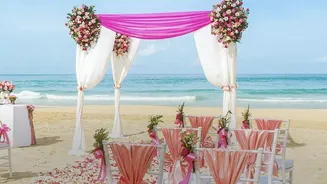
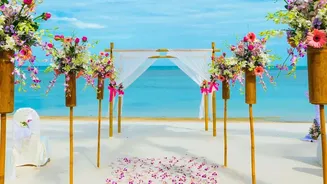
The allure of a destination wedding often comes with a specific vision: a sun-drenched beach, a lush tropical garden, or a charming European vineyard. However, that picture-perfect backdrop is entirely dependent on the weather, an element you cannot control.
Unfavourable conditions can do more than just dampen spirits; they can disrupt travel for you and your guests, ruin outdoor setups, and create significant discomfort. Extreme heat can be as problematic as a downpour, while strong winds can wreak havoc on decorations. Therefore, treating weather as a primary planning consideration, rather than an afterthought, is essential for a stress-free and successful event.
Decoding Climate and Seasons
Before you fall in love with a destination, get to know its climate patterns. Tropical locations like the Caribbean, Mexico, and Southeast Asia typically have wet and dry seasons. Planning a wedding during the dry season (December to April in the Caribbean, for example) offers the best chance of sunny days but often comes at a premium price. The wet or monsoon season can bring daily downpours or the risk of major storms like hurricanes, which peak in the Atlantic from August to October. Mediterranean destinations such as Italy and Greece are glorious in the late spring (May-June) and early autumn (September-October), offering warm, pleasant weather without the intense heat and tourist crowds of July and August. For Southern Hemisphere locations like Australia or South Africa, remember that their summer falls during the Northern Hemisphere's winter.
The Peak vs. Off-Season Dilemma
Choosing when to wed involves a trade-off between weather predictability, cost, and crowds. Peak season offers the most reliable weather, ensuring venues and local attractions are fully operational and buzzing with energy. However, this popularity comes with drawbacks: higher prices for flights, accommodation, and vendors, as well as more competition for booking your preferred dates and suppliers. Conversely, the off-season provides significant cost savings, sometimes as much as 30-50%, and greater vendor availability. The risk, of course, is unpredictable weather. A smart compromise is the 'shoulder season'—the months just before or after peak season, such as May or November in the Caribbean. This period often provides a sweet spot of good weather, lower prices, and fewer tourists.
Beyond Regional Forecasts: Venue Microclimates
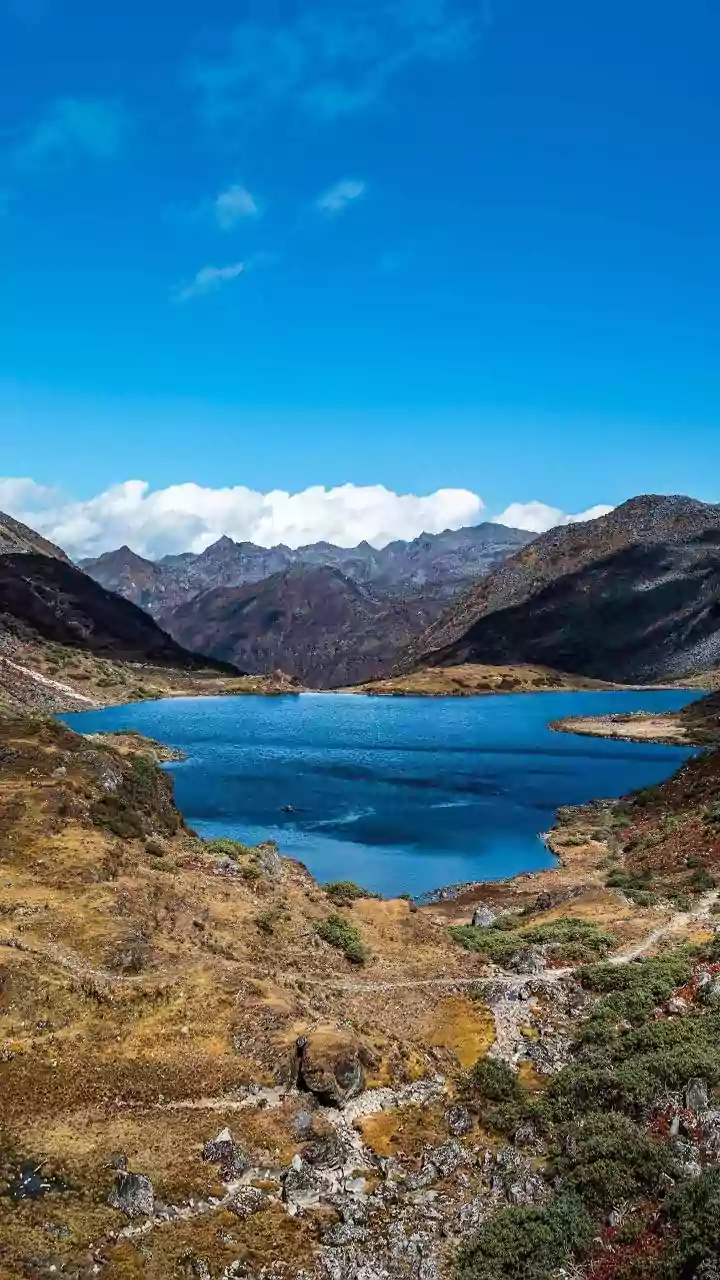
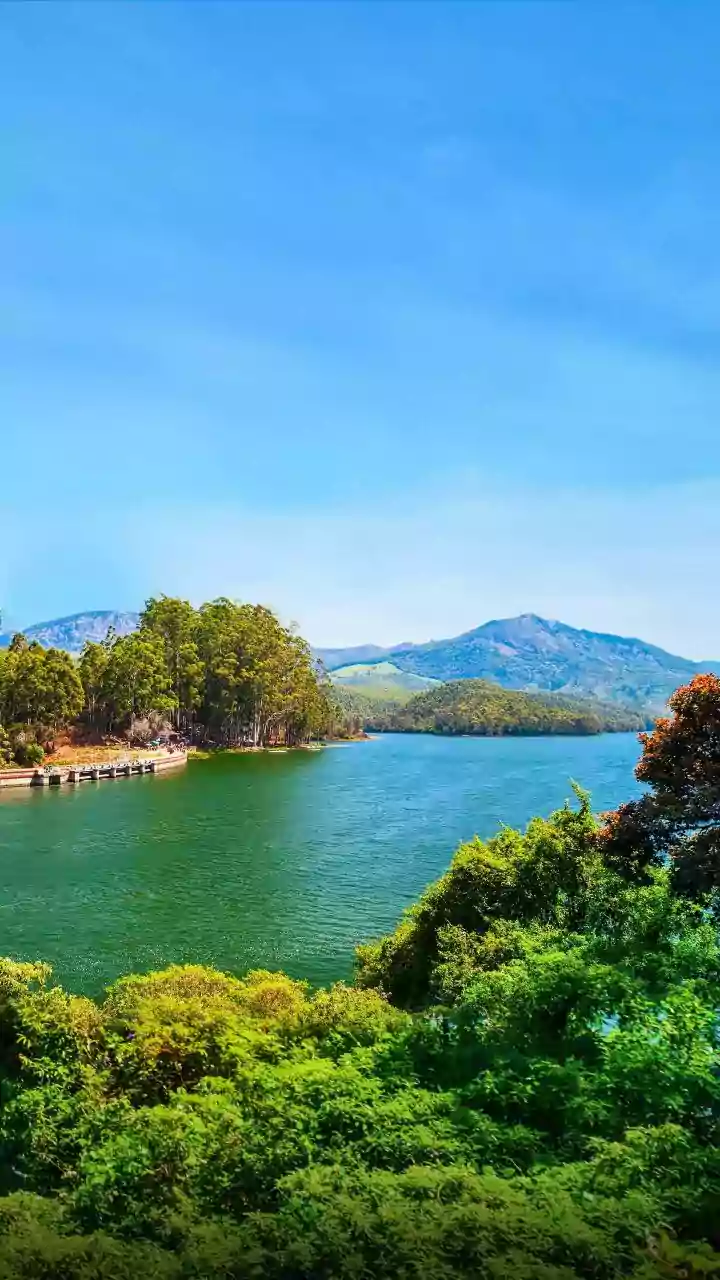
General climate data for a region is a great starting point, but you must also investigate the specific microclimate of your venue. A coastal venue may be several degrees cooler and breezier than a location further inland. A mountain setting will have its own unique weather patterns, including potential for colder temperatures and different precipitation. When researching, look beyond average temperatures to factors like humidity, wind, and the time of sunset, as these will all affect guest comfort and your event's timeline. If possible, visit your shortlisted venues during the same season you plan to marry to get a true sense of the conditions.
Always Have a Weather Contingency Plan
No matter how carefully you plan, a surprise rain shower or heatwave is always a possibility. A solid backup plan is non-negotiable, especially for outdoor ceremonies and receptions. When booking a venue, ensure it has an attractive and adequately sized indoor alternative that you would be happy to use. For heat, plan for shade, provide fans or parasols, and have plenty of water available for guests. For rain, consider elegant tents or marquees that maintain an outdoor feel while offering protection. Communicate potential weather scenarios to your guests in advance so they can pack and dress appropriately, and ensure your vendors are aware of the backup plan. This preparation allows you to stay in control, ensuring the day is memorable for all the right reasons, regardless of what the sky looks like.