








The Digital-First Illusion
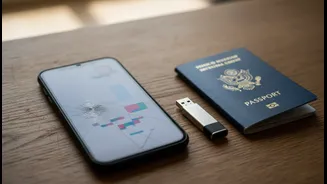
Relying entirely on your smartphone for critical travel information is a common but precarious habit. We use our phones for boarding passes, hotel confirmations, and maps, but the convenience comes with significant risks. A phone battery can die at the worst
possible moment, such as in a customs queue or when trying to find your hotel late at night. Similarly, finding reliable Wi-Fi or cellular data isn't always guaranteed, especially in a new country. Even worse, the loss or theft of your phone could mean losing access to your entire travel itinerary, contact numbers, and proof of bookings in an instant. Some experts have even seen situations where an airline's electronic reader malfunctions, allowing only passengers with paper boarding passes to board.
Your Essential Paper Trail
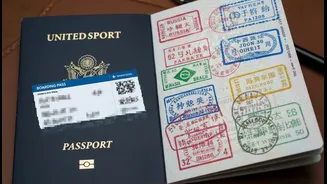
Despite the digital shift, a physical paper trail remains a traveller’s best friend. Certain documents are non-negotiable for your print folder. Start with a colour copy of your passport's information page and any relevant visas. If your passport is lost or stolen, having a high-quality copy can significantly speed up the replacement process at an embassy or consulate. Next, print your flight itineraries, especially proof of onward or return travel, which many countries require upon entry to confirm you don't plan to overstay. Add hard copies of hotel or accommodation reservations, car rental confirmations, and any pre-booked tour tickets. These are invaluable if there's a dispute at check-in or if digital systems are down. You may never need them, but if a situation arises, you'll be glad you have them.
Building a Digital Fortress
While paper is a great backup, digital copies offer accessibility and redundancy. The key is to store them securely and strategically. Start by scanning or taking high-quality photos of all your important documents: passport, visas, driver's license, and birth certificate. Store these files in a secure cloud service like Google Drive, Dropbox, or iCloud, organized into a dedicated travel folder. For an extra layer of backup, you can email the documents to yourself, making them accessible from any web browser. Crucially, ensure that key documents are available for offline access on your phone, so you're not dependent on an internet connection to retrieve them. For sensitive data, consider using a password-protected or encrypted vault app to add another layer of security against digital theft.
The Critical Role of Insurance Documents
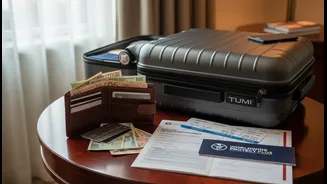
Your travel insurance policy is one of the most important documents you'll carry, but you don't need to print the entire 20-page booklet. What you absolutely need is a printed summary or ID card provided by your insurer. This should clearly state your full name, policy number, and, most importantly, the 24/7 emergency assistance phone numbers. In a medical emergency, you or a companion may not have the ability to search through emails on a phone. A physical card in your wallet or passport holder allows hospital staff or a tour leader to immediately contact the insurer and arrange for payment guarantees, potentially saving you from large upfront costs. Keep a digital copy of this summary as well, but the physical version is often what proves most useful in a crisis.
Beyond the Basics: Other Key Papers
Depending on your destination and personal circumstances, several other documents may be essential. If you plan to drive, an International Driving Permit (IDP) might be required, as your domestic license may not be recognized. For those travelling with specific medical needs, carry a copy of your prescriptions and a signed letter from your doctor detailing your condition and medications. Proof of vaccination, such as a Yellow Fever card for certain regions, can also be a mandatory entry requirement. When travelling with children, especially if you're a single parent or guardian, always carry their birth certificates and a notarized letter of consent from the other parent. Having both physical and digital copies of these supporting documents can prevent serious delays and complications.