

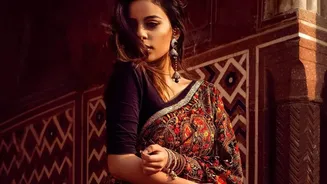
More Than Just a Passing Trend
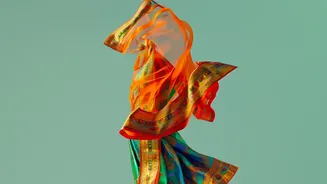
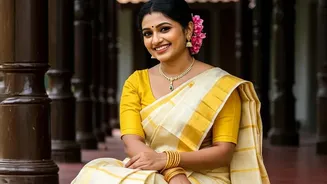
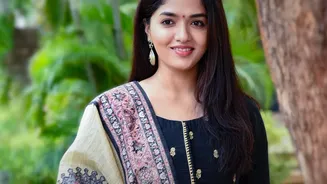
The resurgence of handloom is not merely about a fleeting fashion cycle; it's a significant cultural and lifestyle shift. For years, handwoven textiles were often reserved for special occasions, but now they are becoming a staple of everyday self-expression.
This revival is driven by a deeper quest for authenticity, sustainability, and a connection to heritage in a world dominated by mass-produced goods. Consumers, particularly millennials and Gen Z, are increasingly intentional about their choices, seeking out pieces with a story. They are drawn to the unique textures and imperfections that speak of the human hand, moving away from uniformity towards personal and meaningful style.
From Ancient Looms to Digital Feeds
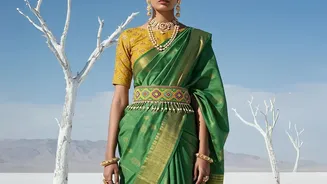
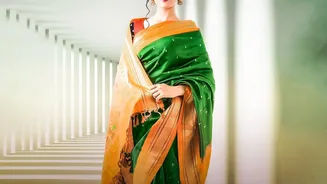
This modern-day renaissance is powered by a unique blend of grassroots passion and digital savvy. Designers like Sabyasachi Mukherjee and brands such as Raw Mango have played a pivotal role, reinterpreting traditional weaves for contemporary wardrobes and showcasing them on global runways. They have transformed luxurious fabrics like Banarasi silk, once associated mainly with bridal wear, into chic jackets, dresses, and co-ord sets. Simultaneously, social media has become a powerful catalyst, with influencers and conscious consumers sharing their handloom stories. Digital platforms and e-commerce sites now connect weavers from rural clusters directly to a global audience, making these beautiful fabrics more accessible than ever before.
Weaving Tradition into Modern Silhouettes
The beauty of this revival lies in its adaptability. Traditional fabrics are being reimagined in versatile, modern forms. Light and breezy Chanderi is being fashioned into minimalist kurtas and stylish kaftans perfect for daily wear. The distinctive patterns of Ikat are appearing on everything from jumpsuits to formal coats. Even Khadi, the historic fabric of India's freedom movement, is being used to create tailored trousers and chic jackets. This fusion allows individuals to incorporate a piece of heritage into their professional and casual wear, blending Indian aesthetics with Western silhouettes seamlessly. The focus is on creating comfortable, functional, and timeless pieces that transcend seasons.
The Fabric of a Sustainable Future
At its heart, the handloom revival is a vote for sustainability. The handloom process is inherently eco-friendly, with a minimal carbon footprint as it relies on human energy, not electricity. Many weavers use natural fibres and organic dyes derived from plants, which are biodegradable and reduce water pollution. In an era where the fashion industry is under scrutiny for its environmental impact, handloom offers a conscious alternative. These fabrics are known for their durability, promoting a 'slow fashion' ethos that counters the 'wear once' culture of fast fashion. Choosing handloom is a choice that supports the environment, preserves biodiversity, and promotes a more thoughtful approach to consumption.
Challenges on the Path Forward
Despite the positive momentum, the handloom sector faces significant hurdles. Weavers often struggle with low and unstable incomes, leading younger generations to seek alternative livelihoods. There is stiff competition from cheaper, mass-produced powerloom fabrics that often mimic handwoven designs. Issues like access to quality raw materials at fair prices and effective marketing remain persistent challenges for many artisan communities. For the revival to be truly sustainable, it must be built on an ecosystem that ensures fair wages, better market positioning, and a sense of pride and profitability for the weavers who are the custodians of this incredible craft.