


Every December, the hills of Nagaland come alive with the sound of log drums and vibrant celebrations. The Hornbill Festival is a dazzling showcase of culture, and this guide provides everything you need to know for your 2026 visit to Kisama.
The 'Festival of Festivals': What It Is
Often called
the 'Festival of Festivals', the Hornbill Festival is an annual celebration that brings together all the major tribes of Nagaland for a ten-day cultural extravaganza. Organised by the state government since 2000, its primary aim is to preserve and promote the rich cultural heritage of the Naga people while fostering inter-tribal interaction. The festival is named after the great hornbill, a bird revered in the folklore of most Naga tribes. It all unfolds at Kisama Heritage Village, a purpose-built venue about 12 kilometres from Kohima, where each tribe maintains a traditional 'morung' or community house, turning the site into a living museum of Naga culture.
Mark Your Calendar: 2026 Dates and Venue
The Hornbill Festival dates are reliably fixed every year. The 27th edition in 2026 will run from December 1 to December 10. This consistency makes planning your travel much easier compared to other festivals that follow lunar calendars. The entire event is centred at the Naga Heritage Village in Kisama. While a detailed day-by-day programme is typically released by the Nagaland government closer to the date, you can expect daily cultural performances in the main arena from morning until late afternoon, with evenings reserved for the Hornbill Music Festival, a night bazaar in Kohima, and other events.
Essential Paperwork: Permits You Will Need
Before you book your tickets, the most crucial step is securing the right permits. Nagaland is a protected area, and all non-residents need permission to enter. Domestic tourists (Indian citizens from other states) must obtain an Inner Line Permit (ILP). As of 2026, the fee for a 30-day tourist ILP is ₹200, and the application process is conveniently online through the official government portal, ilp.nagaland.gov.in. Foreign tourists require a Protected Area Permit (PAP) in addition to their Indian visa, which should be arranged in advance. Do not confuse these permits with the festival entry ticket, which is sold separately at the gates in Kisama.
Getting to Kisama and Staying There
Your journey to the festival will begin at Dimapur, which has the nearest airport and major railway station. From Dimapur, it is a scenic but often slow 3ndrive to Kohima, the state capital. Kisama is another 12 kilometres from Kohima, a 30ndrive that can take over an hour due to heavy festival traffic. Accommodation is the next big hurdle, and it is essential to book months in advance. Options range from hotels in Kohima and luxury tented camps to homestays in nearby villages like Kigwema and Jakhama, which offer a more local experience and are sometimes within walking distance of the festival grounds.
Inside the Festival: Must_Do Experiences
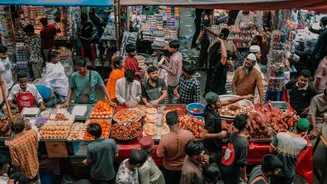
The heart of the festival is exploring the tribal morungs. Each hut is a gateway to a different culture, where you can meet elders, see traditional artefacts, and sometimes sample local rice beer. The main arena hosts a rolling programme of cultural performances, including thunderous war dances, harvest songs, and indigenous games like Naga wrestling and greasy bamboo pole climbing. Beyond the arena, you can wander through the craft bazaar to buy handwoven shawls and tribal jewellery, and feast at food stalls serving Naga specialities like smoked pork with bamboo shoot. In the evenings, the celebration shifts to Kohima with the Hornbill Music Festival and a lively night carnival.
Practical Tips for a Smooth Visit
To make the most of your trip, a little preparation goes a long way. Nagaland is chilly in December, so pack warm layers, especially for the evenings, and comfortable walking shoes for navigating the sprawling Kisama venue. Arrive at the festival grounds early, ideally by 9 AM, to beat the traffic. While some stalls may accept digital payments, network connectivity can be patchy, so carrying enough cash is crucial. Finally, always be a respectful visitor. The festival is a genuine cultural celebration, not just a performance. Always ask for permission before taking closeup photographs of people in their traditional attire.