




Beyond Generation: The New Frontier of Editing
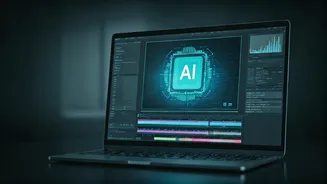
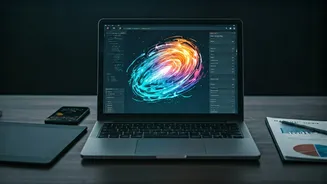
For years, generative AI has amazed and unsettled us with its ability to create brand-new images from a simple text prompt. A new frontier, however, is rapidly emerging: AI-powered image editing. This includes techniques like "inpainting," which involves
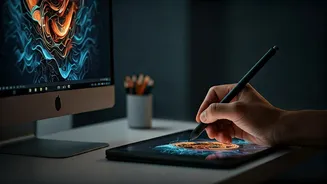
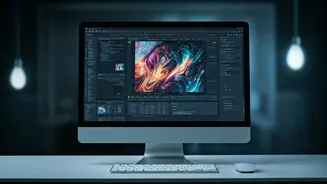
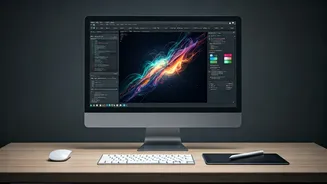
removing or altering objects within an image, and "outpainting," where the AI expands the canvas, intelligently generating new scenery around the original photo. Tools like Adobe's Generative Fill can now remove a distracting element from a product shot, change the background, or expand a vertical photo into a horizontal banner, all while contextually matching the original style, lighting, and texture. This moves AI from a novelty generator to a practical, integrated part of the daily creative process.
A Revolution in Workflow and Speed
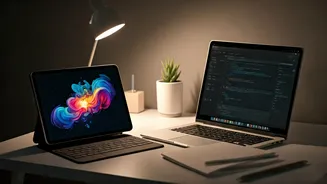
For content teams, the primary bottleneck is often the sheer volume of visual assets needed for campaigns across countless channels and formats. Tasks that once took hours—like cropping for different social media platforms, cleaning up backgrounds, or creating multiple variations of an ad—can now be done in minutes. This represents a monumental shift in efficiency. Instead of spending the majority of their time on tedious, repetitive production work, designers and marketers can focus more on strategy, ideation, and creative direction. This acceleration allows teams to experiment more freely, test a wider range of creative concepts, and respond to market trends with unprecedented agility.
The Rise of the 'Creative Scientist'
This technological shift is not about replacing human designers but augmenting their abilities and evolving their roles. The graphic designer's job is becoming less about manual execution and more about strategic collaboration with AI systems. This has given rise to what some industry analysts call the 'creative scientist'—a professional who blends creative vision with an understanding of AI tools. Essential skills are shifting toward prompt engineering, AI art direction, and critically evaluating AI-generated outputs. The most valuable professionals will be those who can guide AI to produce high-quality, on-brand results, transforming the technology into a powerful creative partner.
Navigating the New Challenges and Risks
Despite the promise of efficiency, the adoption of editable AI images is not without its challenges. One of the biggest concerns is maintaining brand consistency and authenticity. Over-reliance on AI can lead to generic visuals that lack emotional depth or the specific nuance of a brand's voice. There are also significant ethical and legal questions to navigate, including the copyright status of AI-generated content and the potential for creating misleading imagery. Content teams must establish clear guidelines and maintain human oversight to ensure that AI-generated or edited assets are accurate, on-brand, and used responsibly. Without this critical judgment, brands risk eroding the trust they've built with their audience.