




What Is Corporate Scrutiny?
Scrutiny is the phase of intense examination. For a company or a high-profile executive, this can come from multiple directions: regulatory bodies like the SEC, government departments, journalists, and shareholders. It often begins with allegations, questions,
or suspicious patterns of activity. This phase is defined by investigations, not conclusions. An internal investigation might be launched by a company's own board to get ahead of a problem, or an external one can be initiated by government agencies suspecting anything from antitrust violations to financial irregularities. Scrutiny means a company is under a microscope, with its actions and decisions being meticulously reviewed. It is a period of high risk and uncertainty, but it is not a verdict. A company can emerge from intense scrutiny with its reputation intact if no wrongdoing is found.
Defining Proven Misconduct
Proven misconduct is the outcome that follows scrutiny when wrongdoing is confirmed. This isn't about allegations; it's about a definitive finding by a court, a regulatory body, or an internal investigation that rules were broken. The consequences are tangible and can include hefty fines, sanctions, loss of licences, reputational ruin, and even prison sentences for the individuals involved. For example, when a regulator finds that a company intentionally misled investors, that is proven misconduct. The key distinction is the existence of a formal judgment or finding of fault after a thorough process. Until that point, even the most serious allegations remain in the realm of scrutiny. Understanding this difference is critical for anyone trying to make sense of business news, as the line between an accusation and a conviction is significant.
Case Study: Nvidia's Tumultuous November
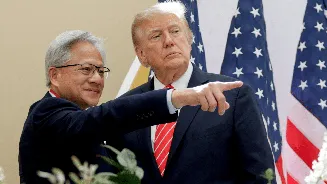
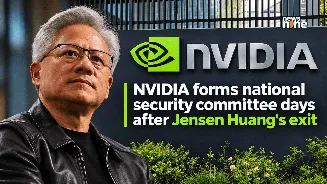
Nvidia, the world's dominant AI chipmaker, is currently embroiled in multiple layers of scrutiny. Following the resignation of its long-time CEO Jensen Huang amid a personal conduct scandal, the company is facing investigations from several U.S. government bodies. The Department of Justice (DOJ) is reportedly conducting an antitrust probe into its business practices and also looking into partner companies suspected of illegally shipping advanced chips to China. On top of that, the Securities and Exchange Commission (SEC) has opened a civil investigation into whether the company's disclosures to investors were misleading. These are all prime examples of scrutiny. While the allegations are serious and have already impacted Nvidia's stock price, these are investigations in their early stages. As of now, there are no proven findings of misconduct against the company itself, though its former CEO has admitted to personal failings.
Case Study: Howard Lutnick Under a Political Microscope
U.S. Commerce Secretary Howard Lutnick, a billionaire financier before joining the government, is also facing intense scrutiny, much of it connected to the Nvidia situation. Critics and other government officials have questioned whether he and his department acted swiftly enough to prevent the export of sensitive AI chips to China, particularly concerning a Singapore-based company called Megaspeed that was a major Nvidia customer. This scrutiny is amplified by concerns over potential conflicts of interest, as Lutnick's former firm, Cantor Fitzgerald, which is now run by his sons, has had significant business dealings, including with Nvidia. Senators from both parties have called for him to testify before Congress. While a Commerce Department spokesperson has stated Lutnick has complied with his ethics agreement, the persistent questions from lawmakers, other cabinet members, and the media place him squarely in the public spotlight. This is political and regulatory scrutiny at its peak, focused on actions and potential conflicts, but short of any formal finding of misconduct.