



A New Era for Regional Road Trips
For years, the idea of an international road trip from India was more of a logistical challenge than a holiday. It often involved complicated paperwork, special permits, and uncertain border crossings. However, a broader trend across South and Southeast
Asia to boost regional tourism is changing the game. Governments are increasingly recognizing that simplifying entry requirements can unlock significant economic benefits and foster deeper cultural ties. This has led to streamlined visa processes and, in some cases, completely visa-free arrangements, particularly for overland travellers who bring a unique spirit of exploration. This shift is not just about saving time at an embassy; it's about opening up entire corridors of travel that were previously out of reach for most.
The Trilateral Highway: India to Thailand
The most talked-about route is the India-Myanmar-Thailand (IMT) Trilateral Highway. This ambitious project connects Moreh in India to Mae Sot in Thailand via Myanmar. While the route has been physically possible for some time, navigating the visa and permit requirements was a significant hurdle. Recent policy changes have aimed to simplify this. Although Thailand's visa rules have fluctuated, with a visa-free period being replaced by a visa-on-arrival system in mid-2026, the overland journey itself remains a thrilling prospect. Travellers can drive through the diverse landscapes of Northeast India, cross into Myanmar to witness its golden pagodas and rich culture, and finally enter the vibrant kingdom of Thailand. This journey is the ultimate adventure for those looking to experience three distinct cultures in one seamless road trip.
Himalayan Gateways: Nepal and Bhutan
The borders with Nepal and Bhutan have long been the most accessible for Indian citizens. For Nepal, the open border policy means Indian citizens don't need a visa and can enter with a valid photo ID, making it the easiest international road trip from India. Key crossings like Sunauli (from Uttar Pradesh) and Raxaul (from Bihar) are bustling gateways to destinations like Kathmandu, Pokhara, and Lumbini. For Bhutan, while Indians do not need a visa, recent changes require an entry permit, which can be obtained online, and payment of a daily Sustainable Development Fee (SDF). Despite the fee, driving into the serene 'Land of the Thunder Dragon' through Phuentsholing remains a magical experience, offering breathtaking Himalayan scenery and a unique cultural immersion.
Tips for a Smooth Overland Journey
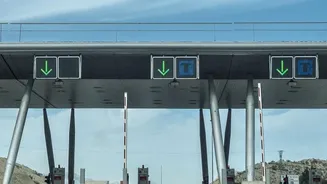
Planning is still essential for a successful cross-border road trip. First, check the absolute latest visa requirements for your nationality, as policies can change. For Thailand, for example, a visa-on-arrival now applies, requiring specific documents and fees at the border. Ensure your passport has at least six months of validity. For your vehicle, you'll likely need an international driving permit and a Carnet de Passages en Douane (CPD), which is like a passport for your car that guarantees you won't sell it abroad. Also, research the specific border crossings you plan to use, as not all are open to tourists or equipped to handle vehicle permits. Finally, carry sufficient local currency for fees and initial expenses, and inform your bank of your travel plans to avoid any issues with card payments.