





The Ancient Rules of Fasting Food
Hindu fasting, or 'vrat', is a practice deeply rooted in spiritual discipline and purification. The goal is to give the digestive system a rest and calm the mind for prayer and reflection. This is achieved by following a 'sattvic' diet, which includes
foods that are considered pure, light, and energy-giving. Traditional rules often exclude common grains like wheat and rice, as well as onions, garlic, and processed items. This created a need for alternative sources of nourishment that provide sustained energy without being heavy or difficult to digest. Historically, this meant relying on foods not cultivated with a plough, such as fruits, nuts, and certain seeds, which is where our three heroes enter the story.
Makhana: The Divine Lotus Seed
Makhana, or fox nuts, are the puffed seeds of the prickly water lily plant. Because they are seeds and not grains, they have always been a permissible food during fasts. Traditionally roasted in ghee and lightly salted with sendha namak (rock salt), makhana provides a satisfying crunch and a feeling of fullness. What ancient wisdom knew, science now confirms: makhana is a nutritional powerhouse. It's low in calories and fat but rich in protein, fibre, and essential minerals like magnesium and potassium. This combination provides sustained energy, aids digestion, and helps maintain stable blood sugar levels, making it an ideal snack to prevent the fatigue often associated with fasting.
Kuttu: The Hardy Pseudo-Grain
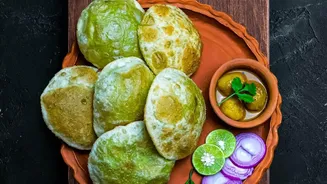
Despite its name, buckwheat flour, or 'kuttu ka atta', has no relation to wheat. It is derived from the seeds of a flowering plant, making it a 'pseudo-cereal' and therefore acceptable for vrat diets. With its earthy, nutty flavour, kuttu flour is famously used to make puris, rotis, and cheelas that are staples during Navratri. Its popularity stems from its ability to provide warmth and energy. Kuttu is naturally gluten-free and packed with high-quality protein and dietary fibre, which helps in digestion and keeps you full for longer. It's also rich in the antioxidant rutin, which supports heart health, making it a far healthier alternative to refined flours.
Rajgira: The Royal Amaranth
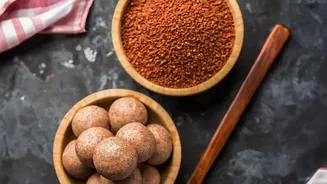
Rajgira, which translates to 'royal grain', is the seed of the amaranth plant. Like kuttu, it's a gluten-free pseudo-cereal that has been a part of Indian fasting traditions for centuries. Rajgira is incredibly versatile; its flour is used to make puris and rotis, while the puffed seeds are turned into chikkis and ladoos. Its nutritional profile is truly impressive. Rajgira is one of the most protein-rich plant-based foods available, containing lysine, an essential amino acid that helps the body absorb calcium. It's also an excellent source of iron, magnesium, and fibre, contributing to strong bones, better digestion, and overall vitality during a fast.
From Ancient Wisdom to Modern Superfoods
The story of makhana, kuttu, and rajgira is a perfect example of tradition meeting modern wellness. For generations, they were cherished as pure, nourishing foods that supported spiritual practices. Today, the global health and wellness community has rediscovered them as 'superfoods'. Their gluten-free nature, high protein content, and rich mineral profiles align perfectly with contemporary dietary trends. This modern validation has only deepened their significance. What was once confined to the fasting kitchen is now found in health food stores and gourmet menus year-round, celebrated for the very same qualities that made them fasting favourites centuries ago.