




The Instant Gratification of Vinyl
Let's be honest: the appeal of vinyl wallpaper is undeniable. In a single afternoon, you can transform a plain wall into a tropical jungle, a geometric statement, or a floral dreamscape. It’s the fast fashion of interior design—quick, affordable, and
available in an endless scroll of patterns. For anyone looking for a dramatic and immediate makeover, vinyl seems like the perfect solution. It’s easy to wipe clean and offers a consistent, uniform finish that many find reassuringly neat. This convenience has made it a default choice for countless homes, a simple way to inject personality without the perceived hassle of paint or other finishes.
What 'Boring' Really Means
The problem isn’t just that the patterns can feel a bit generic or mass-produced—the 'boring' part of vinyl goes deeper than aesthetics. Most vinyl wallpapers are made from polyvinyl chloride (PVC), a plastic that can release Volatile Organic Compounds (VOCs) into the air. This process, known as off-gassing, can contribute to indoor air pollution and is particularly concerning in a bedroom where you spend a third of your life. Furthermore, vinyl wallpaper is non-porous. It creates a plastic seal over your wall, trapping moisture. In India’s humid climates, this is a recipe for disaster, potentially leading to hidden mould and mildew growth behind the pretty pattern, which can affect respiratory health.
Enter Terracotta: An Ancient Idea, Reimagined
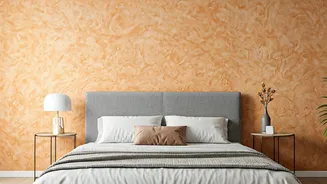
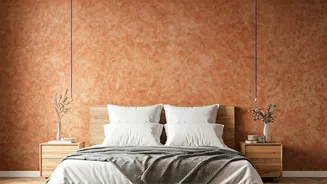
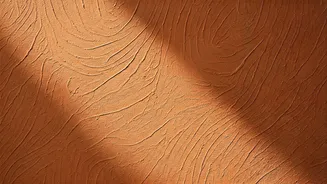
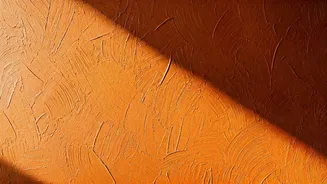
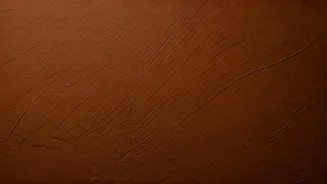
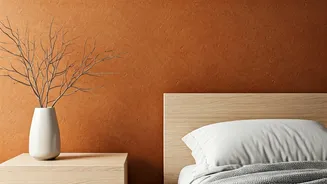
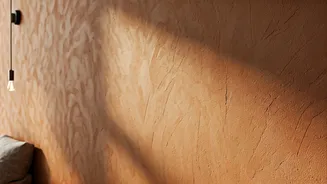
Now, let’s talk about its ancient, earthy rival: terracotta clay wash. This isn't about recreating a village hut in your city apartment. Modern clay washes and plasters are sophisticated finishes that offer a rich, matte texture and a depth of colour that paint simply cannot replicate. Derived from natural clay, minerals, and pigments, these finishes are inherently unique. No two walls are exactly alike. The finish is soft to the touch and visually calming, with subtle variations in tone that catch the light beautifully. It connects your modern living space to a tradition of natural building materials, offering a timeless elegance that transcends fleeting trends.
The Magic of a 'Breathing' Wall
Here is where clay wash truly outperforms vinyl. Clay is naturally hygroscopic, which is a scientific way of saying it 'breathes.' This means it can absorb excess moisture from the air when humidity is high (like during the monsoon) and release it back when the air is dry. This passive humidity regulation helps create a more stable and comfortable indoor environment. A breathing wall resists condensation, making it naturally resistant to the mould and mildew that plague sealed walls. By managing moisture, it contributes to better indoor air quality, creating a healthier atmosphere for you to sleep and live in. It’s an active, functional surface, not just a passive decoration.
A Choice for Wellness and Sustainability
Choosing a wall finish is ultimately a wellness decision. By opting for a zero-VOC clay wash, you are eliminating a source of potential indoor air pollutants. This is especially critical for children, the elderly, or anyone with allergies or asthma. The aesthetic of clay—its warmth and natural texture—also has a psychological benefit, promoting a sense of calm and connection to nature. Environmentally, the choice is also clear. Clay is a natural, abundant material, and many clay finishes are biodegradable. PVC-based vinyl, on the other hand, is a petroleum product that is difficult to recycle and persists in landfills for centuries.
Practical Realities: Cost and Application
Is a clay wash a simple weekend DIY project? Probably not. It often requires skilled labour to achieve a beautiful, even finish, and the initial cost per square foot can be higher than wallpaper. However, it's an investment. Clay finishes are incredibly durable and can often be repaired seamlessly if chipped or scratched—a feat impossible with torn wallpaper, which usually requires replacing an entire panel. When you factor in the longevity and the health benefits, the value proposition becomes compelling. It’s a long-term investment in the quality of your home and your well-being, not just a temporary decorative fix.