






Finalise Bookings and Budgets Early
The winter period, especially from late December to early January, is a peak travel season in India. To avoid soaring prices and sold-out accommodations, it is crucial to book your flights and hotels well in advance. Experts suggest booking winter flights anywhere
from 85 to 100 days before your departure date for the best prices. Popular destinations like Gulmarg, Shimla, Manali, and even the deserts of Rajasthan see a huge influx of tourists. When booking hotels, be mindful of hidden costs like mandatory festive dinners for Christmas or New Year's Eve, which can significantly inflate your budget. Planning your finances and locking in reservations early ensures a stress-free start to your holiday.
Health and Safety Preparations
Winter travel comes with its own set of health considerations. The dry, cold air can lead to dehydration, so remember to drink plenty of water. It is also wise to carry a basic first-aid kit with essentials like pain relievers, antiseptic cream, and medication for common ailments like colds or altitude sickness if you are heading to the mountains. Travel insurance is highly recommended, as it can provide cover for medical emergencies, trip cancellations, or lost baggage. Before you leave, check for any health advisories for your destination and ensure you are up to date on routine vaccinations.
Destination-Specific Research is Key
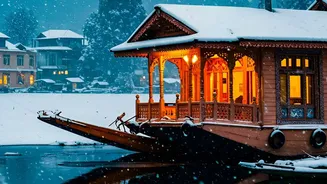
India's winter is not uniform; it ranges from sub-zero temperatures and heavy snowfall in the Himalayas to pleasant, mild weather in the south. Research the specific weather conditions of your destination to pack appropriately. Check road conditions and potential closures, especially for high-altitude areas like Himachal Pradesh, Uttarakhand, and Kashmir, which can experience disruptions due to snow. Understanding the local terrain will help you decide if you need special gear like snow chains for your vehicle or appropriate trekking equipment. Also, be aware that winter days are shorter, so plan your sightseeing activities accordingly to make the most of the daylight hours.
Pack Smart with Layers
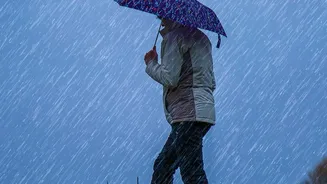
Layering your clothing is the most effective way to stay comfortable in fluctuating winter temperatures. Your packing list should start with a base layer of thermal wear. Add a mid-layer like a fleece or woollen sweater for insulation, and top it with a waterproof or windproof outer jacket. For footwear, waterproof boots with good grip are essential for snowy or icy conditions. Do not forget accessories like woollen socks, gloves, a scarf, and a beanie or balaclava to protect your extremities from the cold. Also, pack skincare essentials like moisturiser, lip balm, and sunscreen, as the winter sun at high altitudes can be surprisingly strong.
Ready Your Vehicle for Road Trips
If you are planning a road trip, a thorough vehicle check is non-negotiable. Before you start, get your car serviced, paying close attention to the battery, engine oil, and antifreeze levels. Cold weather can cause tyre pressure to drop, so check your tyres and consider using winter or all-season tyres for better traction on icy roads. For regions with heavy snowfall, carrying snow chains and knowing how to install them is a critical safety measure. Your car's emergency kit should include a torch, blankets, snacks, and a first-aid kit to handle any unforeseen roadside situations.