








The Dawn of a Private Space Race
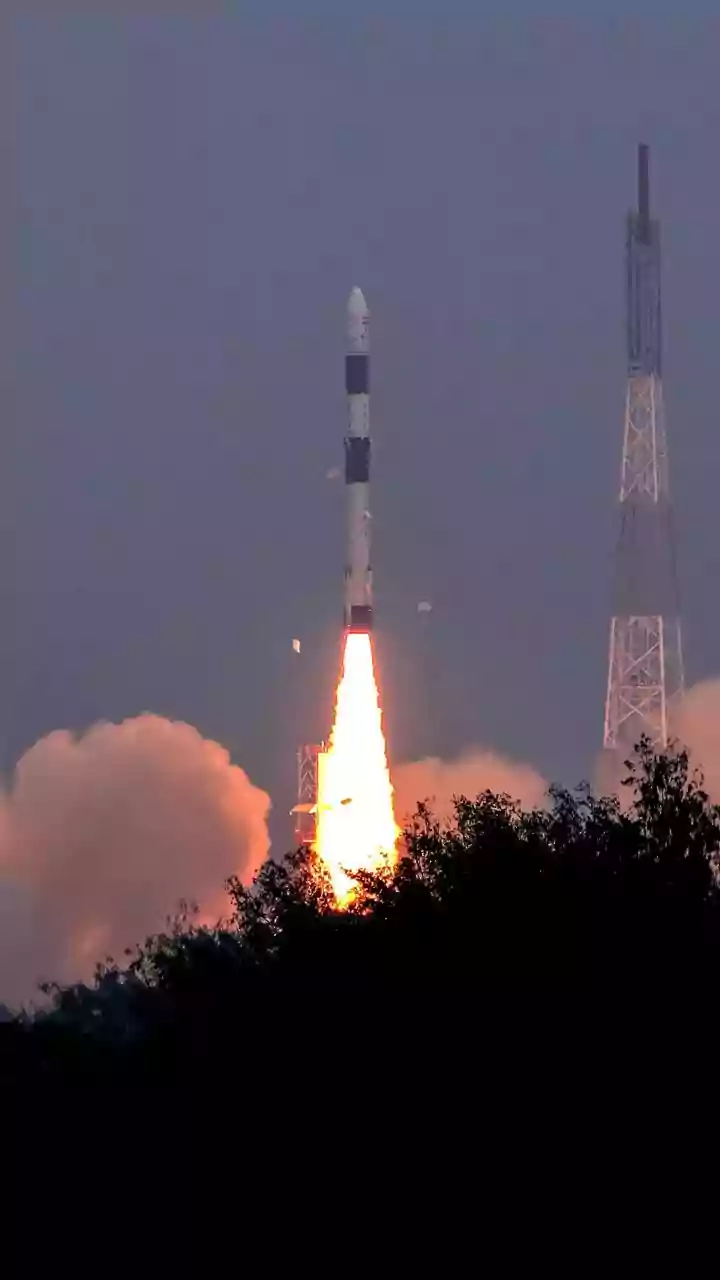
Skyroot Aerospace has officially announced the launch window for its Vikram-1 rocket, scheduled between July 12 and August 4, 2026. The mission, named 'Aagaman' (Arrival), will lift off from Sriharikota and aims to become India's first-ever privately
developed rocket to place satellites into orbit. This is not just another launch; it's a historic moment that follows Skyroot's successful suborbital flight of the Vikram-S in November 2022. The seven-storey tall Vikram-1 is designed to carry small satellites weighing up to 350 kg into low Earth orbit. Built with an advanced all-carbon composite structure and 3D-printed engines, it represents a new, agile approach to space access, designed for rapid manufacturing and a high launch frequency. The success of Mission Aagaman will validate Skyroot's technology and pave the way for regular commercial satellite launch services for both domestic and international customers.
An Ecosystem Reaching for the Stars
Skyroot isn't alone in this journey. A vibrant ecosystem of over 400 private space enterprises has emerged in India since the sector was opened up around 2020. Chennai-based Agnikul Cosmos is another key player, developing its own small satellite launcher, Agnibaan, which also features innovative single-piece 3D-printed engines. The company recently signed a partnership with Finnish firm ICEYE to build and launch Earth observation satellites from India, showcasing the growing global confidence in Indian startups. Beyond launch vehicles, companies like Pixxel are building constellations of hyperspectral imaging satellites, while Dhruva Space is creating satellite deployers and components. This diverse landscape shows that India's private space capability is not reliant on a single company but is a burgeoning industry with players across the entire value chain, from manufacturing to data services.
The Policy Shift That Opened the Skies
This private-sector boom was made possible by a deliberate and strategic policy shift from the Indian government. The creation of the Indian National Space Promotion and Authorization Centre (IN-SPACe) in 2020 was a watershed moment. IN-SPACe acts as a single-window agency, streamlining approvals and facilitating access to ISRO's world-class infrastructure and expertise for private firms. This has been crucial in helping startups bridge the gap from design to launch without incurring prohibitive infrastructure costs. Furthermore, updated Foreign Direct Investment (FDI) policies now permit up to 100% FDI in areas like component manufacturing, creating a more attractive environment for global investors. These reforms are designed to transform India's space economy, which is projected to grow from around $9 billion to over $44 billion by 2033.
ISRO's New Role: From Player to Coach
The rise of private players doesn't sideline the Indian Space Research Organisation (ISRO); it redefines its role. For decades, ISRO has been the designer, manufacturer, and operator of India's space missions. Now, it is transitioning into the role of a mentor and enabler. By transferring the technology for its workhorse rockets like the PSLV and SSLV to the private sector, ISRO can free up its own resources to focus on what it does best: pioneering research and development, deep-space exploration missions like Gaganyaan (human spaceflight), and interplanetary journeys. This collaborative model, where ISRO provides the foundational knowledge and facilities while startups drive commercial applications, creates a powerful synergy. It allows India to simultaneously accelerate its commercial launch capacity and push the boundaries of scientific exploration, a win-win for the entire national space program.