






The Golden Rule of UPI Payments
Remember this one, simple fact above all others: you never need to enter your UPI PIN to receive money. Your PIN is a secret code that authorises money to be debited from your account. If someone asks you to enter your PIN to get a refund, accept a payment,
or unlock a prize, it is a scam. Genuine payments into your account happen automatically without you needing to approve them with a PIN. Understanding this single point is your strongest defence against a majority of UPI frauds.
The QR Code Debit Scam
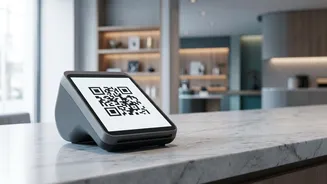
Scammers are increasingly exploiting QR codes. A common trick involves sending you a QR code on WhatsApp or another platform, claiming you need to scan it to receive money. However, scanning a QR code and entering your PIN is always for making a payment, not receiving one. When you scan their code and enter your PIN, you are actually authorising a payment to the fraudster. Be wary of physical QR codes in shops too; sometimes fraudsters paste their own sticker over a genuine merchant's code. Always verify the recipient's name on your app screen before confirming the payment.
Beware Phishing Links and Fake Requests
Phishing remains a popular method for fraudsters. They send SMS messages or emails that look like they are from your bank or a UPI app. These messages contain links that lead to fake websites designed to steal your login details, card information, or UPI PIN. Another common tactic is the misuse of the 'Request Money' feature on UPI apps. Scammers will send you a payment request, often disguised with an urgent message about a due payment or a tempting cashback offer. If you approve it and enter your PIN, you send them money. Always decline requests from unknown sources.
Advanced Threats: Remote Access and SIM Swapping
More sophisticated scams involve tricking you into installing screen-sharing applications. Posing as customer service agents, fraudsters claim they need to fix an issue with your account and guide you to install an app like TeamViewer or AnyDesk. This gives them full remote access to your phone, allowing them to see your PIN as you type it and operate your banking apps. Another serious threat is SIM swapping or cloning, where criminals get a duplicate SIM for your number, giving them access to your OTPs and control over your accounts.
Your UPI Safety Checklist
Building strong digital habits is key. First, never share your UPI PIN or OTP with anyone, not even someone claiming to be a bank official. Second, only download official UPI apps from the Google Play Store or Apple App Store. Third, be suspicious of any transaction that creates a sense of urgency; fraudsters pressure you to act fast without thinking. Fourth, regularly review your bank statements and transaction alerts for any activity you don't recognise. Finally, verify unknown phone numbers and check website URLs for spelling errors before proceeding with any transaction.
What to Do If You Are Scammed
If you suspect you've been a victim of UPI fraud, you must act immediately. The first and most critical step is to call the National Cyber Crime Helpline at 1930. This line is dedicated to financial cyber fraud and quick reporting can help authorities try to freeze the transferred funds. Next, report the fraudulent transaction to your bank and also through the complaint section of your UPI app. You should also file a formal complaint on the government's National Cyber Crime Reporting Portal at cybercrime.gov.in. Preserving evidence like transaction IDs and screenshots is crucial for the investigation.