






Why Do We Feel Bloated After Eating?
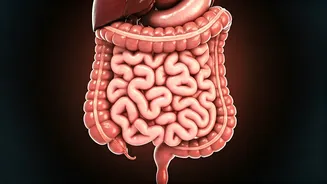
Bloating is that sensation of pressure or fullness in your stomach, which can sometimes be accompanied by a visibly swollen abdomen. It often happens when gas builds up in your gastrointestinal (GI) tract. This can be caused by swallowing air while you eat
or drink too quickly, or from the natural breakdown of undigested foods by bacteria in your gut. For many, this feeling is most pronounced after a large evening meal, when we are most likely to sit down and relax, slowing down our digestive system.
How a Gentle Walk Works Its Magic
Engaging in light physical activity, like a walk, can have a surprisingly powerful effect on your digestive system. Movement helps stimulate the stomach and intestines, a process known as promoting gastric motility. This encourages food to move more rapidly through your digestive tract. As food and gas are propelled along, it reduces the chances of gas buildup, which is a primary cause of bloating and discomfort. Think of it as gently encouraging your digestive system to keep things moving, rather than letting everything sit and ferment.
More Than Just Beating the Bloat
The benefits of a post-meal stroll extend far beyond just easing that tight feeling in your stomach. One of the most significant advantages is its effect on blood sugar levels. After you eat, your body converts carbohydrates into glucose, causing your blood sugar to rise. Walking helps your muscles use this glucose for energy, which can lower post-meal blood sugar spikes. This is particularly beneficial for everyone, as it can help prevent the energy crashes that often follow a large meal. Regular walks also improve circulation and can contribute to better heart health over time by helping to lower blood pressure.
The Perfect Post-Dinner Stroll: Timing and Pace
You don’t need to embark on a strenuous hike to reap the rewards. The key is gentle, consistent movement. Most experts suggest waiting about 10 to 15 minutes after finishing your meal before you start walking. This gives your stomach a moment to settle. Aim for a 10 to 20-minute walk at a low to moderate pace—you should be able to hold a conversation comfortably. Studies have shown that even a walk as short as two to five minutes can make a noticeable difference in both digestion and blood sugar control. The goal isn't to burn calories, but to support your body's natural processes.
Making It an Enjoyable Daily Ritual
Turning this healthy habit into a consistent routine is easier when you make it enjoyable. Instead of seeing it as a chore, frame it as a relaxing end to your day. Walk with a family member or a friend, turning it into quality time together. Listen to a podcast, an audiobook, or some calming music. Use the time to mindfully observe your surroundings and clear your head after a busy day. The simple act of stepping outside can also boost your mood by helping to reduce stress hormones. By linking the walk to an activity you enjoy, it’s more likely to become a permanent fixture in your evening.
What If I Can't Go for a Walk?
If bad weather, a late night, or your environment makes an outdoor walk impossible, don't worry. Any form of gentle, upright movement can help. You can simply walk around your living room or march in place while watching TV. Even just standing up for a while after your meal is better than sitting or lying down, as it allows gravity to help the digestive process. The key is to avoid being completely sedentary right after you eat. However, it's important to listen to your body; if you feel any discomfort like cramps or acid reflux, it might be best to wait a little longer before moving.