







Create a Dedicated Onam Budget
The first step to financial peace during any festival is to create a budget. Before the celebrations begin, sit down and decide on a total amount you can comfortably spend. This isn't about limiting joy; it's about planning for it. List all potential
expenses: Onakkodi (new clothes), the Sadhya feast, pookkalam flowers, gifts, travel, and entertainment. Allocate a specific amount to each category. This prevents one area of spending, like an enthusiastic shopping trip, from consuming the funds for another. It’s wise to build in a 10-15% buffer for unexpected costs, like extra guests for the feast. If you receive a festival bonus, decide its purpose upfront by splitting it between celebrations, savings, and paying off any debt.
Plan the Grand Sadhya Smartly
The Onam Sadhya is the centrepiece of the celebration, but a feast with over 20 dishes can become expensive. Smart planning is key. Instead of trying to make all 26 traditional dishes, you can focus on a smaller core menu of essentials like rice, sambar, avial, a thoran, payasam, and pappadam to capture the authentic experience. Plan your grocery shopping well in advance and buy non-perishable items and vegetables in bulk to save money. To foster community spirit and share the cost, consider organising a potluck-style Sadhya where different families contribute a few dishes each. You can also prepare some items like inji puli, pickles, and even the payasam a day or two in advance, which spreads out both the cost and the effort.
Be Mindful with Onakkodi and Gifting
Gifting new clothes, or Onakkodi, is a cherished tradition symbolising new beginnings. However, it can add up. To manage this, make a list of everyone you plan to gift and set a per-person limit before you shop. Shopping during pre-Onam sales can lead to significant savings, as prices tend to rise closer to Thiruvonam. For larger gifts to parents or elders, siblings can pool their money to buy a more significant item without straining individual budgets. Remember, the gesture behind the gift is more important than its price tag. A thoughtful, well-chosen present is always better than an expensive one bought in a hurry.
Decorate Beautifully on a Budget
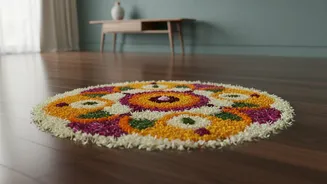
A home decorated for Onam feels truly festive, especially with the daily pookkalam. These floral carpets, however, can become a sneaky, repetitive expense over ten days. To save money, buy flowers from local vendors early in the morning rather than using pre-packaged kits. You can make your pookkalam look grander by using more affordable leaves and greenery to supplement the colourful petals. Another wonderful idea is to collaborate with neighbours in your building or on your street to create a large, shared pookkalam, splitting the daily cost among several households. For other decorations, reuse items from previous years and embrace DIY crafts to add a personal and cost-effective touch.
Track Spending and Resist Impulse Buys
A budget only works if you stick to it. Use a simple notebook or a digital expense tracker app to log every purchase, no matter how small. This helps you see where your money is going in real-time and allows you to make adjustments before you overspend. The festive season is filled with tempting sales and discounts designed to encourage impulse buying. The best defence is a clear shopping list. Before you buy something that’s not on your list, take a moment to ask if you truly need it. Resisting the urge for instant gratification will protect you from long-term financial stress. Celebrating within your means ensures the happy memories of Onam last much longer than the bills.