









Beyond the Caffeine Kick
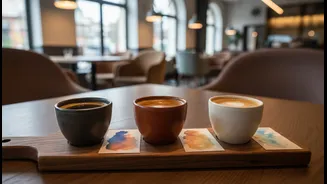
First, let's clarify what we're discussing. This isn't about grabbing a generic cup of coffee to jolt your team awake. A single-origin coffee flight is a curated tasting experience. It involves sampling several coffees, each sourced from a specific farm
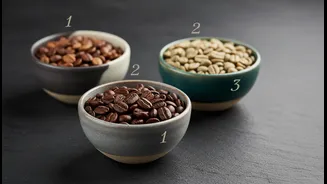
or region. Unlike a blend, which aims for a consistent, uniform taste, single-origin coffee showcases the unique flavour profile of its terroir—the soil, climate, and altitude where it was grown. Think of it as the difference between a generic red wine and a specific pinot noir from a particular vineyard. The goal isn't just caffeine; it's a sensory exploration of distinct notes, from the bright, floral tones of an Ethiopian Yirgacheffe to the smooth, chocolatey hints of a Colombian bean. The experience is inherently analytical and requires focus.
Training the Strategic Palate
This is where the magic happens. The process of tasting and evaluating a coffee flight mirrors the cognitive skills needed for high-level strategy. When your team sits down to taste, they aren't just drinking; they're analysing. They must identify and articulate complex notes: Is that a hint of citrus or stone fruit? Is the body light or heavy? What’s the finish like? This practice of sensory analysis is a workout for the brain. It encourages participants to move beyond simple, binary judgments (“I like it” or “I don’t”) and into a world of nuance and detailed observation. This mindset is directly transferable to a strategy session. A team that has just spent 20 minutes thoughtfully deconstructing the complexities of a coffee is primed to apply that same nuanced thinking to deconstructing a business problem, identifying subtle market shifts, or evaluating complex risks and opportunities.
A More Caffeinated Conversation
Strategy sessions can often be dominated by the loudest voices or constrained by existing hierarchies. A coffee tasting event provides a novel, shared experience that acts as a social leveller. Suddenly, the intern and the CEO are on equal footing, sharing opinions and observations about a new sensory experience. This fosters a sense of psychological safety and encourages more open, authentic communication. Corporate team-building experts note that such events can break down departmental silos and encourage engagement from team members who might not otherwise speak up in a formal meeting. The conversation it sparks—about preferences, perceptions, and discoveries—builds connections and improves team collaboration long after the cups are empty.
Fueling Focus, Not Frenzy
The dreaded afternoon productivity slump is a real biological phenomenon. While any coffee provides caffeine, the ritual of a tasting provides something more: mindful focus. The act of smelling the grounds, pouring the water, and consciously tasting each sip is a form of mindfulness practice. It pulls team members away from their email notifications and into the present moment. This calm, focused engagement is far more conducive to creative and strategic thought than the jittery, anxious energy that can come from chugging a quick, strong espresso. Engaging multiple senses simultaneously has been shown to enhance cognitive function and memory retention, creating an ideal state for brainstorming and problem-solving.
Putting It Into Practice
Implementing this doesn't require a full-time barista. With the boom in India's specialty coffee scene, many local roasters offer curated tasting kits and even guided virtual sessions. Start small. Dedicate the first 30 minutes of your next quarterly strategy meeting to a coffee flight. Frame it as a warm-up exercise for the brain. Encourage discussion and provide simple tasting notes or a flavour wheel to guide the conversation. The investment is minimal, but the potential return—in the form of more engaged employees, more creative ideas, and a more collaborative culture—can be immense. As India's own coffee culture evolves from a simple drink to an experience, so too can our approach to collaborative work.