



The Allure of the Checklist
Let's be honest: every birder loves a good list. It provides structure, a goal, and a satisfying sense of accomplishment. The Andaman Islands, with over 240 species and dozens of endemics, offer a particularly tempting one. Names like the Andaman Woodpecker,
Andaman Crake, and Andaman Serpent Eagle are powerful magnets, drawing enthusiasts from across the globe. These lists, often circulated among birding groups, become a kind of script for the trip. The mission is clear: find the bird, tick the box, and move to the next target. This approach, known as 'listing' or 'ticking', has been a core part of birding culture for decades, driving birders to explore new territories in pursuit of a checkmark. It is a powerful motivator, transforming a quiet walk into a treasure hunt.
What the List Leaves Out
The problem with a script is that it can make you miss the improvisation. When your eyes are fixated on finding a specific species, you risk developing tunnel vision. The rainforest is not a museum with exhibits to be ticked off; it’s a living, breathing symphony. Focusing solely on the checklist can turn this vibrant concert into a silent film. You might spot the Andaman Drongo but miss the intricate way it interacts with other birds. You might photograph the White-headed Starling but fail to hear its unique call amidst the chorus of the jungle. Checklist-driven birding often prioritizes quantity over quality, a pursuit of numbers that can overshadow the profound experience of being present in nature. The true essence of the forest—the behaviour of the birds, the scent of damp earth and blooming flowers, the rustle of unseen creatures—isn't found on any list.
A Symphony at Chidiya Tapu
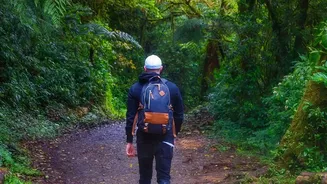
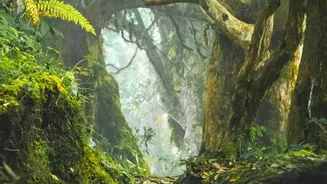
Consider Chidiya Tapu, aptly named 'Bird Island', at the southern tip of South Andaman. It is one of the region's premier birding hotspots. Arriving before dawn, the air is thick with humidity and the rising hum of the forest. This is the time for mindful birding. Instead of immediately raising your binoculars, take a moment to simply listen. The crescendo of calls as the sun rises is the forest's daily overture. This symphony of sound tells a story that no list can capture. You'll begin to distinguish the calls, understanding the forest's rhythm. The experience shifts from a visual hunt to a full sensory immersion. You’ll walk trails through evergreen forests, spotting not just the famed endemics but also noticing the interplay of light through the canopy, the vibrant butterflies, and the ancient trees that form the birds' habitat. This holistic approach turns a simple walk into a deep connection with the ecosystem.
From Ticking to Truly Seeing
Adopting a more mindful approach doesn't mean abandoning your list entirely. Instead, think of it as a guide, not a contract. Here are a few ways to enrich your experience: find a 'sit spot' and simply observe for 20 minutes, letting the forest's life unfold around you. Pay attention to bird behaviour—are they feeding, nesting, or warning of a predator? Try nature journaling, sketching a bird or noting its calls, which sharpens your observation skills. Put down the camera and binoculars occasionally and just watch. This practice of non-judgmental observation helps you appreciate the moment, whether you see a rare endemic or a common Myna. This shift in focus from 'collecting' sightings to experiencing them is the core of mindful birdwatching, a practice that fosters a deeper appreciation for the natural world.
The Real Treasure of the Andamans
The Andaman Islands are home to incredible biodiversity, a result of their long isolation from the mainland. Places like Mount Harriet National Park, another key birding site, are protected reserves for this unique flora and fauna. Seeing an endemic species like the Andaman Wood Pigeon or Andaman Cuckoo-Dove is a special privilege. But the privilege is not in the tick mark. It's in understanding that you are witnessing a creature that exists nowhere else on Earth, a product of millions of years of evolution in this specific island ecosystem. This context transforms the sighting from a personal accomplishment into a moment of connection with the planet's natural heritage. The goal is not to conquer the forest with a checklist, but to be a respectful guest within it.